Blog
Invest in your future—with flexible options.
What Certifications Does an HVAC Technician Need in Florida?
If you want to work as an HVAC technician in Florida, one of the first credentials to understand is EPA Section 608 certification. Federal rules require it when your work can release refrigerant from stationary air-conditioning or refrigeration equipment. Florida does not require every HVAC technician who works as an employee of a properly licensed contractor to hold a state air-conditioning contractor license.
A beginner technician can build a career working with a licensed business without being a Florida contractor initially. A state contractor license becomes important when you want to contract for HVAC services yourself or qualify an HVAC business. NATE or HVAC Excellence optional qualifications can demonstrate additional knowledge, but they are not the same as EPA 608 or a Florida contractor license.
Quick answer: Florida HVAC certification requirements
For most people entering the trade, the credential path looks like this:
EPA Section 608: Federally required for technicians whose work may open the refrigerant circuit or release regulated refrigerants.
Florida state contractor license: Not generally required for an employee working within a licensed contractor's scope, but required when you personally perform contracting work that requires state licensure.
NATE certification: Optional industry credential that can demonstrate technical knowledge as your experience grows.
HVAC Excellence: Optional certifications ranging from employment-ready credentials to professional technician levels.
OSHA 10 or 30 card: Safety training that some employers value or require, but OSHA does not classify these cards as certifications or licenses.
The practical lesson: EPA Section 608 covers qualifying refrigerant work, a Florida contractor license addresses contracting authority, and private credentials mainly document knowledge and skills.
EPA Section 608 Certification for Refrigerant Work
Section 608 is one of the first certifications new HVAC technicians should plan for if their work will involve regulated refrigerants. The EPA requires technicians who maintain, service, repair, or dispose of equipment in ways that could release refrigerants to pass an EPA-approved certification test.
There are four certification categories. Type I covers small appliances. Type II covers high-pressure and very-high-pressure appliances, except small appliances and motor vehicle air-conditioning systems. Type III covers low-pressure appliances. Universal certification covers all three equipment categories.
Universal certification offers the widest equipment coverage, but it is not required for every HVAC job. The right type depends on the equipment you service.
One detail people often miss: Section 608 certification does not expire. An exception applies to certain apprentices. EPA allows registered apprentices to work without their own Section 608 certification when they meet the applicable apprenticeship requirements and are closely and continually supervised by a properly certified technician.
Florida HVAC License Rules vs. Technician Certification
Searches for "HVAC certification Florida" often combine training, technician certification, and contractor licensing. These are separate credentials and serve different purposes.
Florida law exempts an employee of a licensed certificateholder or registrant from contractor licensing when the employee works within the employer's licensed scope, with the licenseholder's knowledge and permission. That is why a person can work as an HVAC technician for an established licensed company without first earning a state Class A or Class B contractor license.
If you want to take contracts in your own name or qualify an HVAC business, state licensing becomes a separate step handled by Florida DBPR through the Construction Industry Licensing Board.
Class A air-conditioning contractor
A Class A air-conditioning contractor has an unlimited scope for the air-conditioning, refrigeration, heating, and ventilating systems covered by the classification.
Class B air-conditioning contractor
A Class B air-conditioning contractor has a restricted scope, limited to systems with no more than 25 tons of cooling and 500,000 Btu of heating per system under Florida law. The current Florida limit is 25 tons, although some older HVAC licensing information may still reference a 20-ton limit.
DBPR states that applicants for certified Class A licensure must pass the state certification examination and meet experience or qualifying education-and-experience requirements. The agency's current application guidance lists four years of experience, or an allowed combination of college and experience, as part of the pathway.
The key distinction is simple: an HVAC technician certification demonstrates technical knowledge and skills, while a contractor license provides the legal authority to perform contracting work within its scope. Neither credential automatically replaces the other.
Optional HVAC technician certification that can strengthen a resume
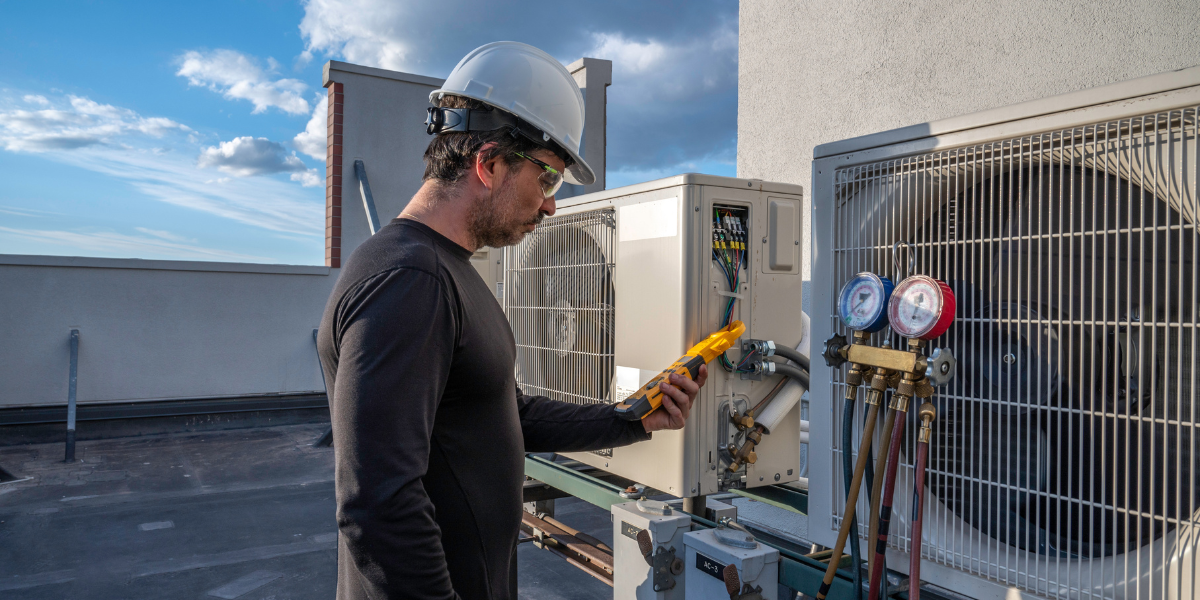
Optional credentials can be useful when they match your career stage.
NATE, or North American Technician Excellence, offers credentials for different experience levels. Its certifications can show that you have been tested on specific HVACR knowledge areas.
Another progressive credential path is offered by HVAC Excellence. Its Employment Ready credentials are geared toward students and entry-level workers, while its professional-level credentials are geared toward technicians with field experience.
OSHA training belongs in a separate category. An OSHA 10-hour or 30-hour Outreach card can be useful for job-site safety awareness, especially when an employer or project expects it. OSHA itself states that these courses are voluntary Outreach training and that the cards are not certifications or licenses.
That difference is easy to overlook on a resume. List an OSHA card as safety training, not as an HVAC license.
Can an HVAC technician online course prepare you for certification?
Online study can help with theory, exam review, refrigerant rules, and troubleshooting logic. Some EPA-approved Section 608 certifying organizations offer online testing options, depending on their current testing procedures.
HVAC is still a hands-on trade. Gauges, meters, recovery equipment, airflow problems, and wiring faults make more sense after practice with real equipment, so training should include lab work.
At Coastal Technical Institute in Palm Bay, the HVAC technician training program includes hands-on instruction in HVAC systems, refrigeration, troubleshooting, ductwork, electrical systems, thermostats, and EPA 608 certification prep. The program is designed for completion in under 12 months, with day and evening options listed by the school.
A practical 5-step path from training to HVAC work in Florida
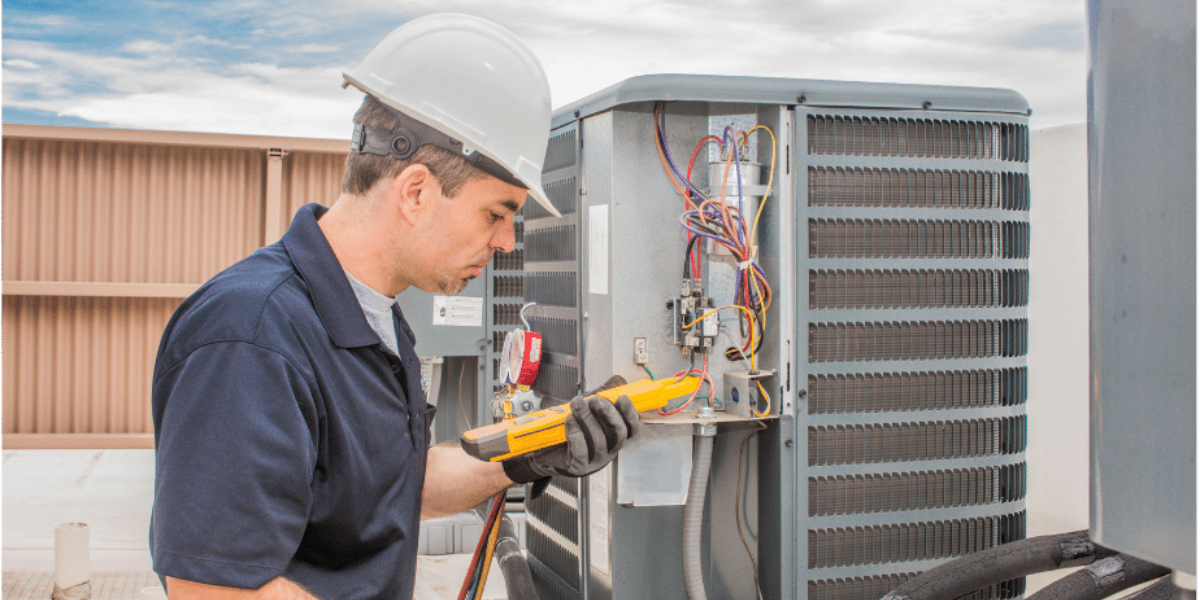
You do not need every possible credential before your first job. Build them in the order that matches the work you want to do.
1. Build core HVAC skills
Start with an HVAC technician training program covering refrigeration, electrical fundamentals, troubleshooting, safety, duct systems, tools, and service procedures. Employers need technicians who can diagnose a system, not only describe one.
2. Prepare for EPA Section 608
Study the Core material and the equipment types that fit your intended work. If you want broad coverage, prepare for the Universal pathway. Make sure the actual exam comes from an EPA-approved certifying organization.
3. Apply for entry-level work under a licensed contractor
Your first role turns classroom skills into field habits. Explore HVAC career opportunities in Florida to compare residential service, commercial HVAC, maintenance, installation, and refrigeration career paths.
4. Add credentials when they support your next role
After you gain field experience, NATE or HVAC Excellence credentials may fit your specialty. Choose them because a job path or skill goal calls for them.
5. Consider contractor licensing if you want independent work
If you decide to move from working as an employee to working as a contractor or qualifying a business, look over DBPR standards early. It’s a later-career step for many technicians, due to experience and exam requirements.
Why HVAC Certification and Hands-On Skills Matter
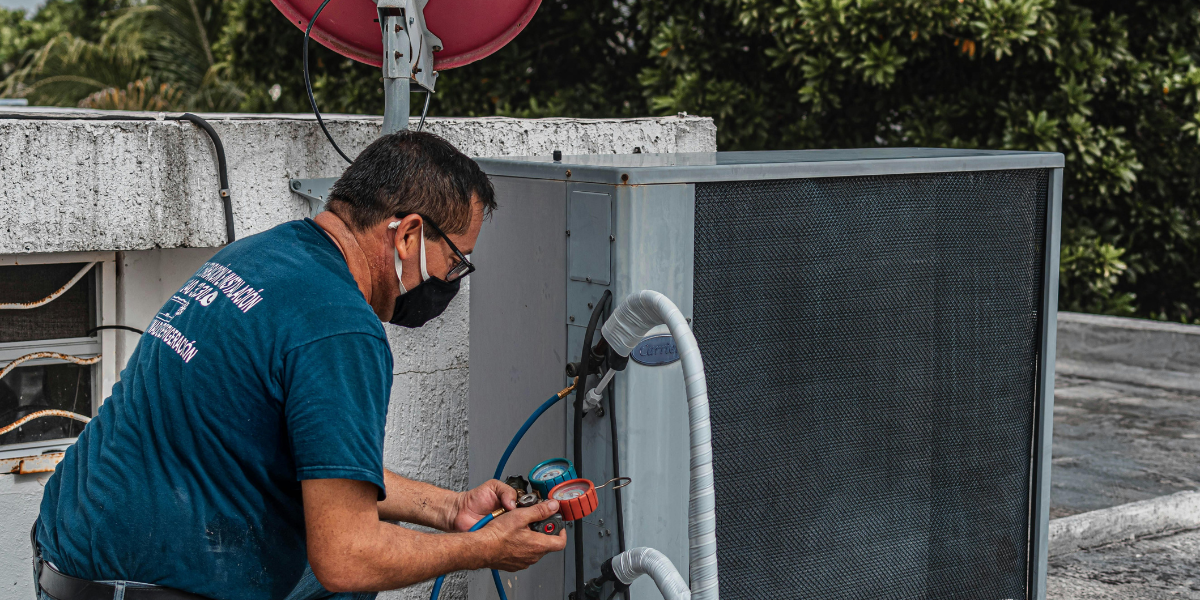
Employment of HVACR mechanics and installers is projected to expand 8% from 2024 to 2034, faster than the average for all occupations. Florida's long cooling season also gives HVAC technicians frequent opportunities to apply their installation, maintenance, and troubleshooting skills.
If you are comparing career paths, Coastal Technical Institute also explains why HVAC technicians are in high demand and what career opportunities can follow HVAC trade school. For people near Brevard County, the school's guide to HVAC training in Palm Bay gives a more local look at the equipment problems and working conditions technicians can expect.
What Employers Want Beyond Certification
A certification can strengthen a resume, but it does not replace hands-on experience. Certification alone cannot diagnose a failed capacitor, trace a low-voltage problem, confirm airflow, or explain a repair to a customer. Those are learned skills.
Employers typically value a combination of safe work habits, electrical and mechanical fundamentals, refrigerant knowledge, tool proficiency, troubleshooting ability, communication skills, and continued learning. Training gives you a place to practice before working on a customer's system.
Coastal Technical Institute focuses its HVAC training on practical work with real equipment and preparation for entry-level employment. You can explore the HVAC technician training program, visit the Coastal Technical Institute homepage for school information, or contact the admissions team to ask about schedules, enrollment, and EPA 608 preparation.
If your goal is to become an HVAC technician in Florida, start by understanding the credential that affects covered refrigerant work: EPA Section 608 certification. Build hands-on skills next, add voluntary certifications when they support your job goals, and treat a Florida contractor license as a separate step if you plan to contract independently. That order keeps your training focused and your credentials useful.
FAQs
1. Does every HVAC technician need a state license in Florida?
No. Florida law provides an exemption for an employee of a properly licensed certificateholder or registrant when the employee works within the employer's licensed scope and with the licenseholder's knowledge and permission. However, contractor licensing requirements can apply when a person performs contracting work independently. A state contractor license is a separate requirement for people performing work that requires contractor licensure.
2. Is EPA Section 608 certification required in Florida?
Yes, when a technician performs maintenance, service, repair, or disposal work that could release regulated refrigerants. The requirement comes from federal EPA rules, so it applies in Florida and across the United States.
3. Which EPA 608 certification should an HVAC technician get?
EPA offers Type I, Type II, Type III, and Universal certification. Universal certification covers Type I, Type II, and Type III equipment and provides the broadest coverage. Technicians who work only with specific equipment may instead obtain the certification type applicable to their work.
4. Does EPA Section 608 certification expire?
No. EPA states that Section 608 technician certification credentials do not expire.
5. What is the difference between a Florida Class A and Class B HVAC license?
A Class A air-conditioning contractor has an unlimited scope for the systems covered by the classification. A Class B contractor has a restricted scope, with limits of 25 tons of cooling and 500,000 Btu of heating per system.


Innovation
Fresh, creative learning environment.

Integrity
Honesty and transparency.

Excellence
Top-notch Instructors.

FOLLOW US


COASTAL TECHNICAL INSTITUTE
STUDENT CARE
PROGRAMS
Trades
Licensed and Approved by:
Coastal Technical Institute (Formerly Brevard Nursing Academy) is licensed by the Commission for Independent Education (CIE), License number 5973, and approved by the Florida Board of Nursing (BON). Additional information regarding this institution may be obtained by contacting the Commission at 325 West Gaines Street, Suite 1414, Tallahassee, FL 32399-0400,
Toll-free telephone number (888) 224-6684.
Copyright 2026. Coastal Technical Institute. All Rights Reserved.