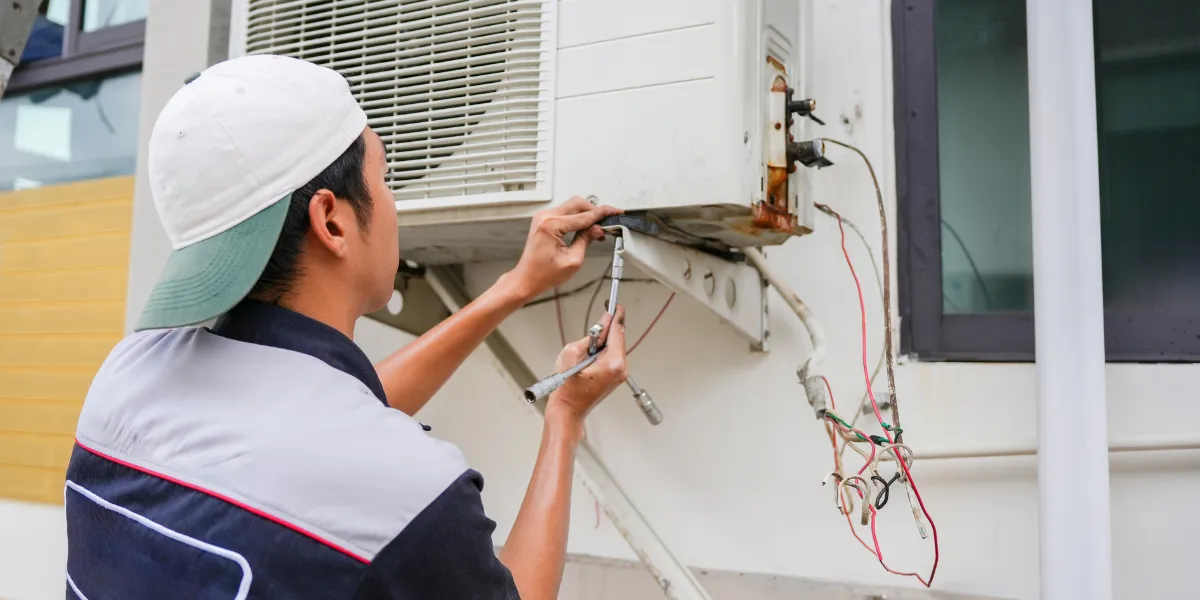
The Future is Skilled: Why HVAC Technicians are in High Demand
If you have ever thought about a career that puts you in control of your financial future, this is worth reading. Across Florida and beyond, one profession is outpacing nearly every other trade in job openings, earning potential, and long-term stability: the HVAC technician. Whether you are fresh out of high school, switching careers, or simply ready to work with your hands and get paid well for it, the path forward is clearer than you might think. Let us walk through what is driving this demand, why Florida is ground zero for opportunity, and how the right HVAC trade school can launch a career built to last.
Florida's Climate Creates a Career Unlike Any Other
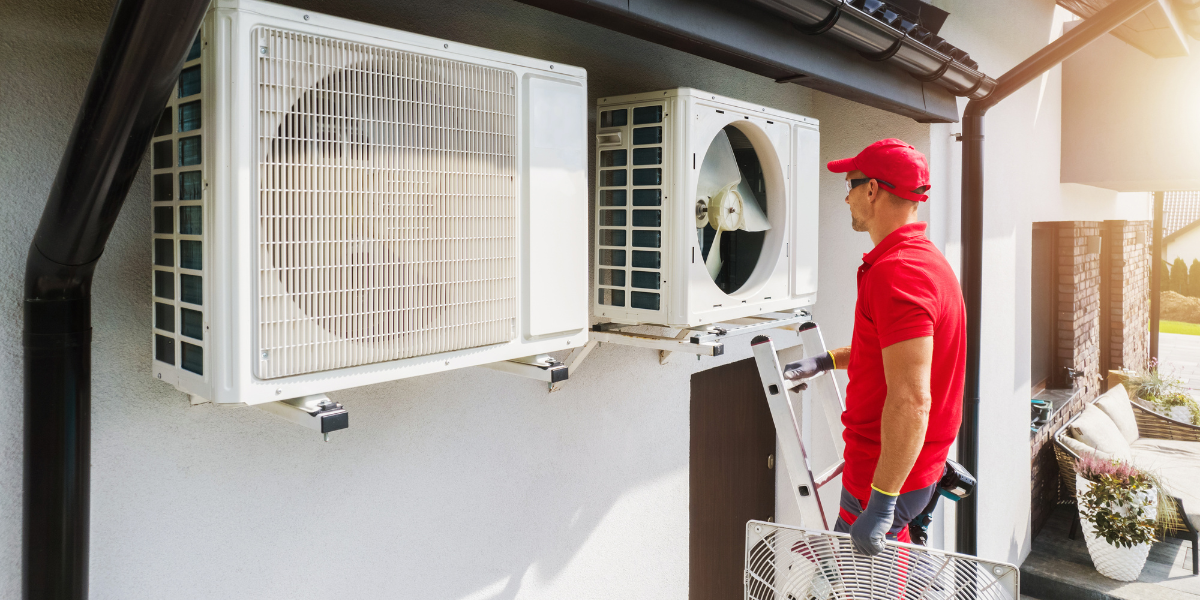
There is no getting around it. Florida is hot, humid, and squarely in the path of hurricane season every single year.
For residents, that combination can be exhausting. For skilled HVAC technicians, it represents full-time, year-round work that never really slows down. Air conditioning here is not a seasonal luxury the way it might be in northern states. It is a daily necessity for every home, business, school, hospital, and retail space from January straight through December.
When a system fails in July with temperatures climbing past 95 degrees, nobody waits around. They pick up the phone immediately. That urgency translates into consistent demand, and consistent demand means job security you simply cannot find in many other fields. Add to that the aftermath of tropical storms and hurricanes, which regularly damage or destroy systems across entire regions. After a major storm, the backlog of repair and replacement jobs stretches for months, and for a working HVAC technician, that backlog means overtime, premium rates, and steady income.
A Booming Population Needs More Skilled Hands
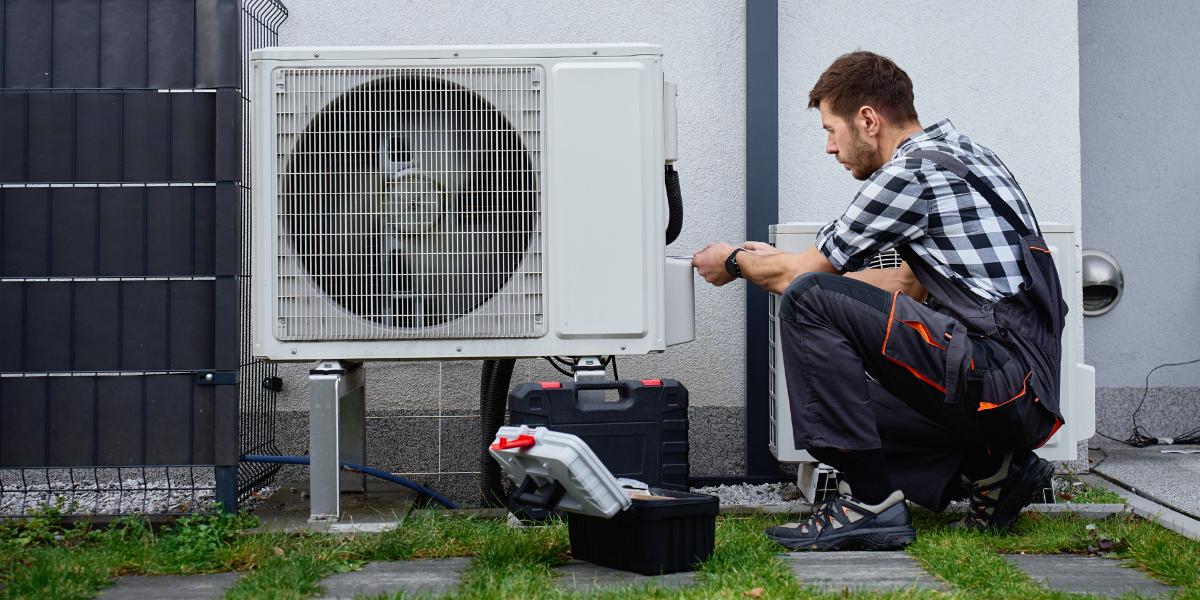
Florida is one of the fastest-growing states in the country. That steady wave of new residents means one thing: construction. Every new home, apartment complex, office building, and commercial development needs a fully functional HVAC system before anyone moves in. Installing those systems requires certified professionals who know the work inside and out, and the pipeline of new construction projects creates a level of demand that contractors consistently struggle to meet.
As experienced technicians retire, there are not enough new workers entering the trade to replace them. The gap between available careers and qualified candidates keeps widening. For someone who completes a strong HVAC training program today, stepping into that gap means competitive wages, real leverage in the job market, and a choice of where to work.
The Skilled Labor Shortage: A Problem That Works in Your Favor
Over the past two decades, a cultural push toward four-year degrees pulled a generation of young people away from the trades. The result is a workforce aging out faster than it can be replaced. The shortage of skilled HVAC technicians is not a future projection. It is happening right now.
That shortage works in your favor if you are entering the field today. Employers are competing for talent, pushing salaries higher and improving working conditions. A qualified HVAC technician in Florida can realistically earn a strong starting salary, with those carrying specialty certifications earning considerably more. The work cannot be outsourced or automated. Every diagnosis, installation, and repair call requires a real person on-site. That kind of job security is rare, and it is exactly why so many people are now looking seriously at HVAC training programs over a four-year degree.
Why HVAC Certification Sets You Apart
Earning your HVAC certification is the step that moves you from interested to employable. Certified technicians are not just preferred by employers; in many cases, they are required by law for certain types of system installations and repairs. Holding a recognized HVAC certification signals to every employer and client that you know your trade, that you have been tested on it, and that you operate at a professional standard.
At Coastal Technical Institute, the HVAC certification pathway is practical and focused. The curriculum skips the filler and puts you in front of real equipment from the start, so you graduate ready to work on day one.
Certification also opens doors to specialization. Technicians who add refrigeration credentials, commercial system training, or energy efficiency knowledge find their earning potential climbs considerably. The foundation starts with that first certification, and the career path goes wherever you want to take it.
What to Look for in an HVAC Trade School

Choosing the right HVAC trade school is one of the most important decisions you will make on this path. Not every program is built the same way, and the gap between a strong one and a weak one becomes obvious the moment you are on the job.
A quality program prioritizes hands-on training over classroom time alone. HVAC work is physical and technical, and reading about a refrigerant system is very different from actually troubleshooting one. Programs worth your investment put real tools in your hands from early on.
At Coastal Technical Institute, the focus has always been on turning students into job-ready professionals. Instructors bring real industry experience into every session, and the training environment mirrors the real-world scenarios you will face in the field. That combination is what makes the difference when your first employer hands you a service call.
Energy Efficiency Is Opening New Doors
A growing area of opportunity for the modern HVAC technician is energy-efficient system upgrades. Federal and state incentives are pushing homeowners and businesses to replace outdated systems with greener alternatives, creating a wave of installation and retrofit work that will run for years. Technicians who finish an HVAC training program covering modern systems and efficiency standards position themselves at the front of that wave, and they are the ones who keep getting called.
The Earning Potential Is Real
Entry-level HVAC technicians in Florida earn competitive starting wages, and the ceiling rises considerably with experience, certifications, and specialization. Technicians who eventually run their own service businesses often find their income tied directly to their reputation and client base, with few hard limits.
Compare the cost of an HVAC training program to a four-year college degree, and the return on investment becomes obvious. You spend far less time in school, graduate with far less debt, and start earning real income much sooner. For a lot of people, that math changes the entire conversation about career planning.
Start Your HVAC Career at Coastal Technical Institute
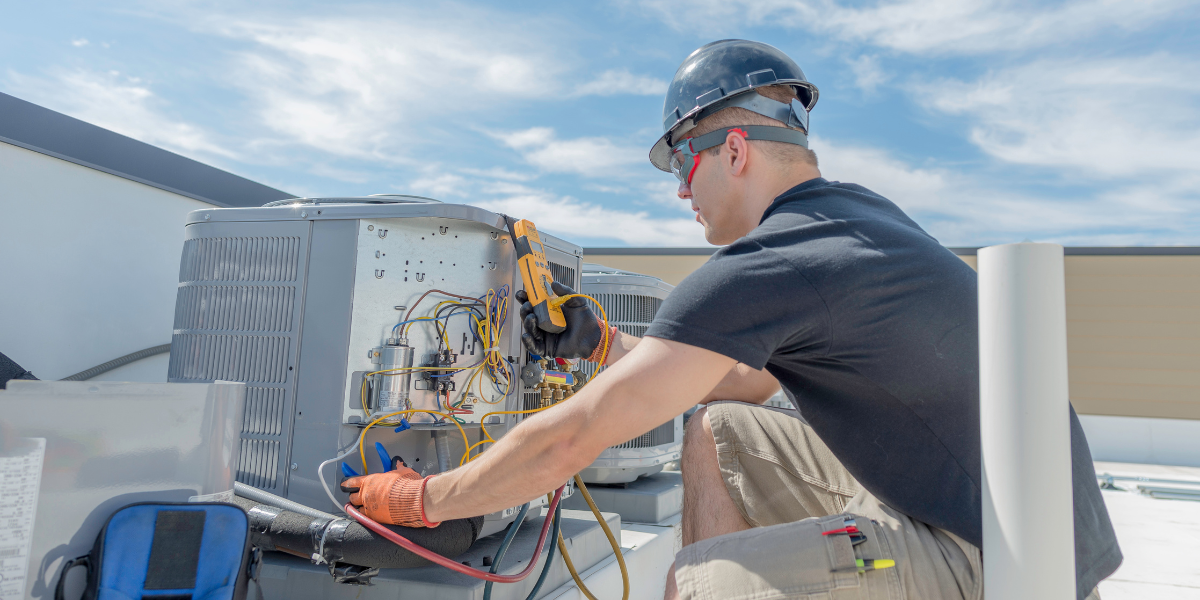
If reading this has you thinking seriously about your next move, that instinct is worth following. The demand for skilled HVAC technicians in Florida is not a trend. It is the reality of living in one of the hottest, fastest-growing, most storm-prone states in the country, and that reality is not changing anytime soon.
At Coastal Technical Institute, we are ready to help you get started. Our HVAC training program is built for people who want to move quickly, learn thoroughly, and graduate with the HVAC certification that employers are actively looking for. Whether you are brand new to the trade or looking to formalize skills you already have, we have a path for you.
Pick up the phone and call us today. Our team will walk you through the program, answer your questions, and help you figure out the fastest way to get started. One call can change the direction of your career.
FAQ
1. How long does it take to complete an HVAC training program at Coastal Technical Institute?
Most students complete their core HVAC training program in a matter of months, not years. You can be working in the field far sooner than a traditional college path would allow.
2. Do I need prior experience to enroll in an HVAC trade school?
No prior experience is required. Our HVAC trade school takes students from the fundamentals through advanced hands-on training, regardless of background.
3. What is EPA 608 certification, and why does it matter?
EPA 608 is a federal HVAC certification required for anyone handling refrigerants. It is a core part of every serious HVAC training program and a legal requirement for working on most residential and commercial systems.
4. Is there job placement support after graduation?
Yes. Coastal Technical Institute connects graduates with Florida employers actively seeking certified HVAC technicians. The ongoing labor shortage means our graduates step into a strong market from day one.
5. Why choose a trade school over a community college HVAC program?
A dedicated HVAC trade school keeps every hour of instruction focused on your trade. Community college programs often carry general education requirements that stretch your timeline and add cost without adding relevant skills. At Coastal Technical Institute, your investment goes entirely toward becoming a working HVAC technician.
