Blog
Invest in your future—with flexible options.
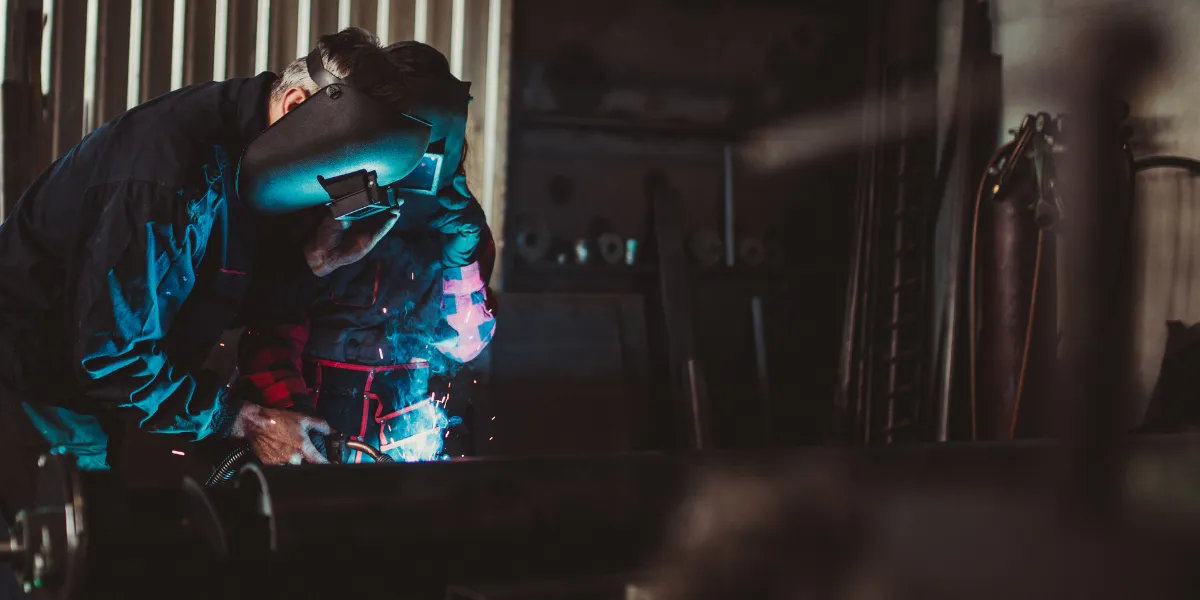
Welding Classes For Adults: What Hands-On Training Really Looks Like
Starting a career in welding can feel like a big step, especially if you are entering the trade later in life or changing careers completely. Many adults choose welding because it offers practical skills, hands-on work, and opportunities in industries that rely on skilled professionals.
For adults exploring welding training in Florida, hands-on classes provide an opportunity to develop practical skills, learn industry techniques, and prepare for welding-related careers.
Welding classes for adults at Coastal Technical Institute are designed to give students real workshop experience while building confidence with essential welding techniques. Instead of only learning concepts from a textbook, students spend time practicing with equipment, working through projects, and developing skills they can apply in real workplace settings.
Many students are surprised by how much attention welding requires. Small details such as material positioning, heat control, and movement technique can significantly affect weld quality. Learning how to position materials, control heat, create consistent welds, and follow safety procedures takes practice. That repetition is where real improvement happens.
What Do You Learn In Welding Classes For Adults?
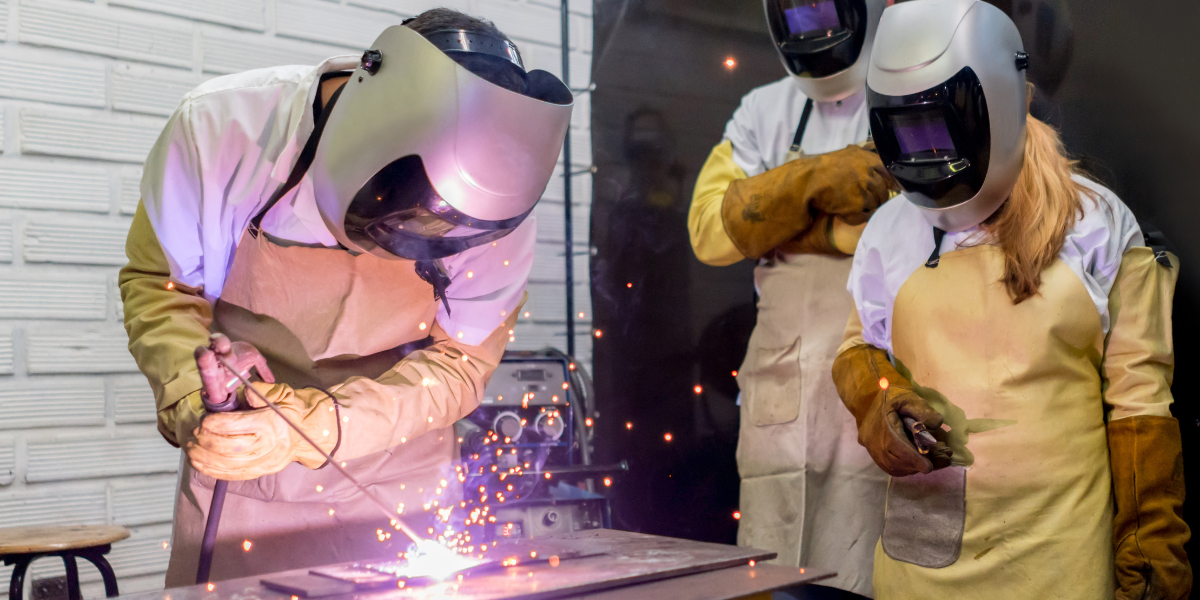
Adult welding programs typically combine classroom instruction with hands-on lab practice. Students learn how welding equipment works, how to prepare materials, and how different welding processes are used in different situations.
At Coastal Technical Institute, students in the welding technology program develop knowledge of core welding methods while practicing the techniques needed for entry-level welding positions.
The training process usually begins with safety because welding requires careful attention to equipment, materials, and the work environment.
Safety Training Comes Before Striking An Arc
Before creating their first weld, students learn how to work safely around welding equipment.
This includes understanding:
Proper ventilation practices
Personal protective equipment (PPE)
Safe equipment handling
Hazard awareness
Workplace safety procedures
Good welding habits start with safety. Experienced welders understand that preparation before starting a project is just as important as the welding itself.
Learning Core Welding Processes
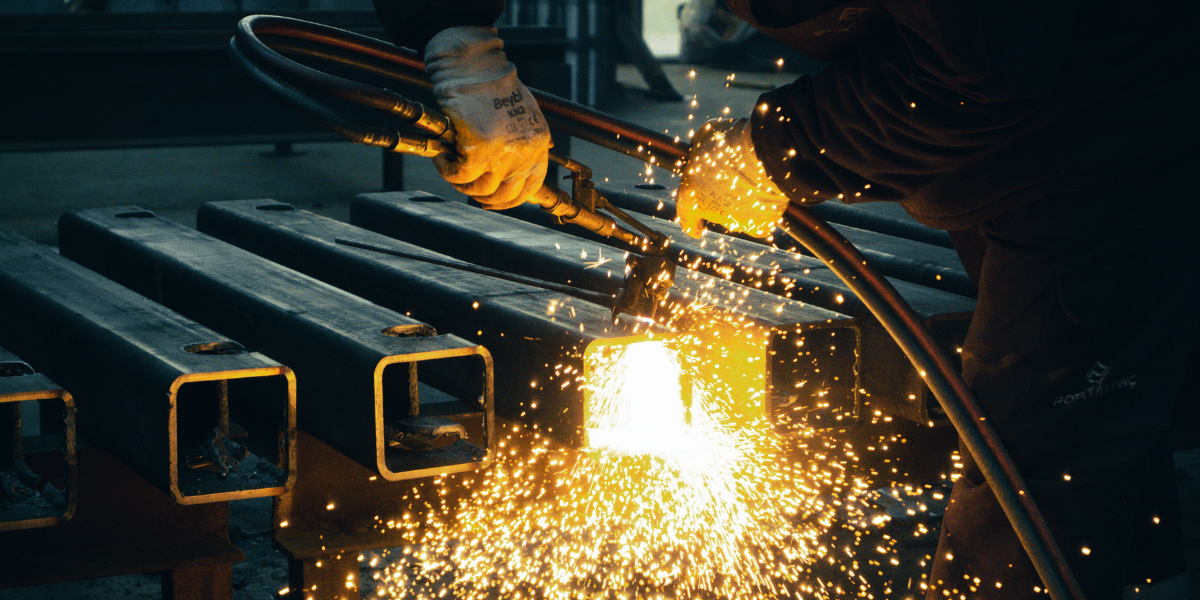
A strong welding foundation includes learning different welding processes and understanding when each method is used.
Most welding training programs introduce students to:
MIG Welding
Gas Metal Arc Welding (MIG) is commonly used because it allows students to learn consistent welding techniques while developing control over speed, movement, and material handling.
TIG Welding
Gas Tungsten Arc Welding (TIG) requires precision and patience. Students learn how careful control can create clean, high-quality welds.
Stick Welding
Shielded Metal Arc Welding (Stick) is widely used in construction and industrial applications. Students learn how this process works in different working conditions.
Understanding multiple welding methods helps students become more adaptable when entering the workforce.
Why Shop Practice Matters In Welding Training
Welding is a skill that improves through repetition. Reading about welding processes helps build knowledge, but working directly with materials creates confidence.
During lab sessions, students practice tasks such as:
Setting up welding equipment
Preparing metal surfaces
Cutting and fitting materials
Practicing bead placement
Creating different joint types
Many new students are concerned about achieving a perfect weld right away. In truth, building consistency takes time. Small variations in hand movement, in angle and pace, can have a considerable effect.
That is why supervised practice is such an important part of welding classes for adults.
Classroom Learning Goes Beyond Welding Machines
Hands-on training also includes important technical knowledge that welders use every day.
Students may learn:
Blueprint reading
Welding symbols
Basic measurements
Material preparation
Shop calculations
The most widespread misperception is that welding is just a matter of operating equipment. Professional welding involves reading the blueprints, measurements, and project requirements before the welding process can even start.
This combination of technical knowledge and practical knowledge helps students approach projects with greater confidence.
Tools And Equipment Used During Welding Training

Students become familiar with different tools used in welding environments.
Common equipment includes:
Welding machines
Angle grinders
Chipping hammers
Wire brushes
Clamps
Metal preparation tools
Learning how to properly use these tools helps students become comfortable working in a professional shop environment.
Preparing For Welding Certifications And Career Opportunities

Many students choose welding training because they want skills that can support a career change or improve their employment opportunities.
Some welding programs may include assessments aligned with industry expectations, including American Welding Society (AWS) standards. Students should confirm specific certification opportunities with their training provider.
These assessments help students understand the quality and consistency expected in professional welding environments.
Completing welding certification classes near me in Florida can be a useful step for adults who want structured training before entering manufacturing, construction, fabrication, or related industries.
What Makes Hands-On Welding Training Different?

Online videos and basic guides can introduce welding concepts, but they cannot replace working with real equipment under proper supervision.
Hands-on welding training gives students the chance to ask questions, correct mistakes, and improve techniques with guidance. That feedback is often where students make the biggest progress.
For adults who are searching for welding classes for adults near me in Florida, choosing a program with practical training can make the learning experience more valuable.
Start Building Your Welding Skills At Coastal Technical Institute
Learning welding takes commitment, patience, and practice. The right training environment helps students develop confidence while gaining skills they can use in real-world settings.
Coastal Technical Institute provides welding technology training designed for students who want practical experience and career-focused education.
If you are exploring local welding classes or looking for welding training near me in Florida, contact Coastal Technical Institute to learn more about available training options.
Frequently Asked Questions About Welding Classes For Adults
1. What do adults learn in welding classes?
Adult welding classes typically teach welding safety, equipment operation, metal preparation, blueprint reading, and welding techniques such as MIG, TIG, and stick welding. Students also gain practical experience through supervised lab work.
2. Are welding classes for adults suitable for beginners?
Yes. Many adult welding programs are designed for students with different experience levels. Training usually begins with basic safety and equipment instruction before moving into hands-on welding practice.
3. How much hands-on practice is included in welding training?
Hands-on practice is a major part of welding training. Students spend time working with welding equipment, practicing techniques, preparing materials, and improving their consistency through repetition.
4. What welding processes are taught in adult welding programs?
Many welding programs introduce students to MIG, TIG, and Stick welding processes. These methods help students understand different applications used in construction, manufacturing, and fabrication environments.
5. Can welding training help prepare me for a welding career?
Yes. Welding training helps students develop practical skills, safety awareness, and technical knowledge that can support entry-level opportunities in welding-related fields.
6. Are there welding night classes near me in Florida?
Class schedules vary by program availability. Adults interested in flexible welding training options should contact Coastal Technical Institute to learn about current schedules and enrollment options.


Innovation
Fresh, creative learning environment.

Integrity
Honesty and transparency.

Excellence
Top-notch Instructors.
FOLLOW US


COASTAL TECHNICAL INSTITUTE
STUDENT CARE
PROGRAMS
Trades
Licensed and Approved by:
Coastal Technical Institute (Formerly Brevard Nursing Academy) is licensed by the Commission for Independent Education (CIE), License number 5973, and approved by the Florida Board of Nursing (BON). Additional information regarding this institution may be obtained by contacting the Commission at 325 West Gaines Street, Suite 1414, Tallahassee, FL 32399-0400,
Toll-free telephone number (888) 224-6684.
Copyright 2026. Coastal Technical Institute. All Rights Reserved.