
Blog
Invest in your future—with flexible options.
Home health aide vs caregiver: What’s the difference, and which career is right for you?
Many people enter caregiving because they want work that feels useful. They may picture helping an older adult stay independent, supporting a person with a disability, or assisting someone who is recovering at home. Then they begin searching for training or employment and discover several similar job titles.
Understanding home health aide vs caregiver roles can make that decision much easier. A caregiver usually focuses on companionship, household support, and everyday routines. A home health aide receives structured preparation for personal care, observation, safety, documentation, and certain approved health-related tasks under appropriate supervision.
Both paths can lead to meaningful work, but they are not interchangeable. Duties depend on the employer, client care plan, completed training, and applicable Florida requirements. This guide explains home health aide vs caregiver responsibilities, work settings, and career options so you can choose a role that fits your goals.
Home health aide vs caregiver: The difference at a glance
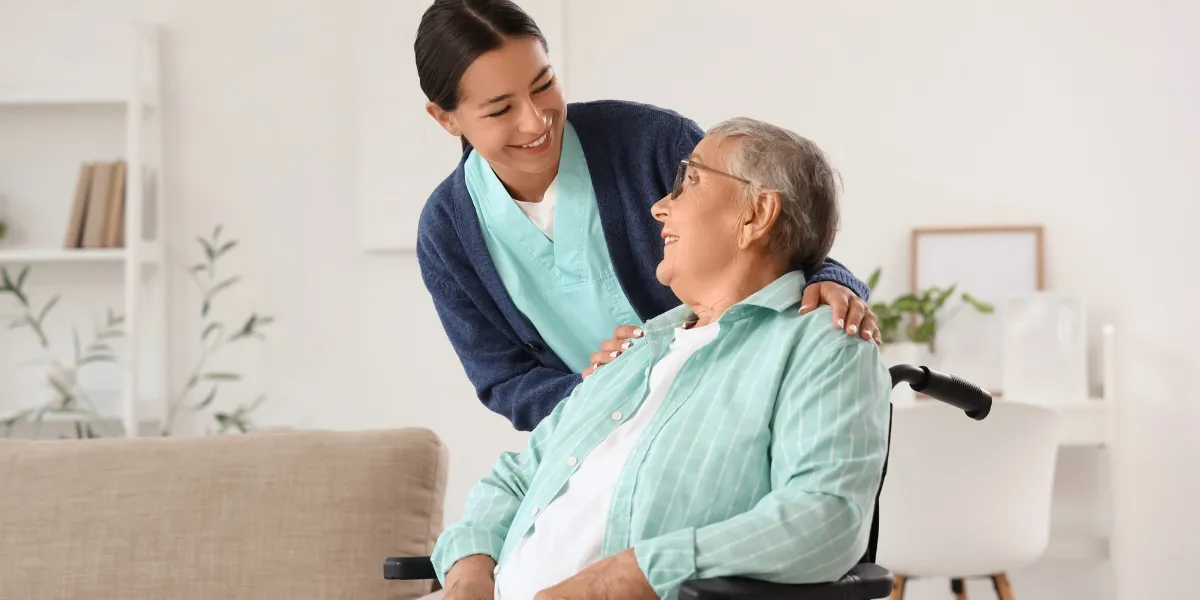
Both professionals help clients remain safer and more independent at home. Caregivers generally provide companionship, meals, errands, light housekeeping, and support with daily routines. HHAs typically complete additional structured training and may assist with personal care, record observations, and perform approved health-related duties under supervision.
The difference is rarely captured by a job title alone. Two employers may use similar titles while assigning different tasks. Read the job description, ask who provides supervision, and confirm which duties are permitted before accepting a position.
What does a home health aide do?
A home health aide commonly supports older adults, people with disabilities, individuals living with chronic conditions, and patients recovering after illness or hospitalization. The work combines practical assistance with careful observation.
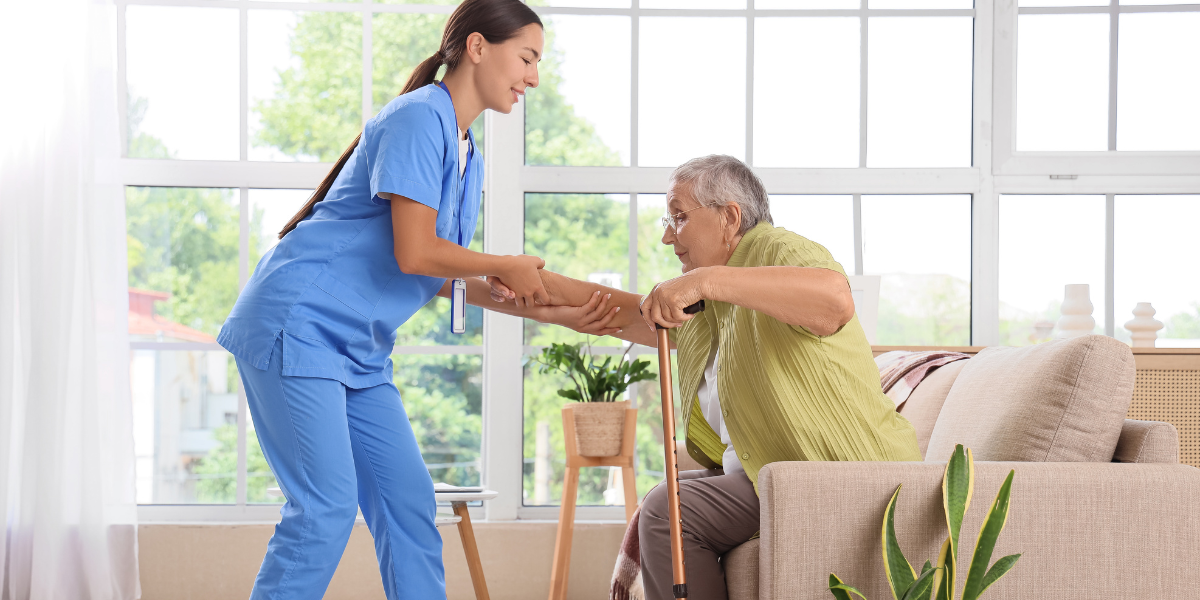
Typical duties may include bathing, dressing, grooming, eating, toileting, walking, transfers, and prescribed exercises. Depending on the employer and care plan, an aide may also take and record temperature, pulse, or respiration, then report unusual findings to a supervising healthcare professional.
A trained health aide must understand infection control, emergency awareness, client privacy, documentation, and professional communication. An HHA is not a nurse and should never independently decide to perform a clinical task that falls outside the assigned care plan or employer-approved duties.
Consider a typical morning. The aide helps a client dress, prepares breakfast according to the care plan, supports a safe transfer from bed to chair, and records routine observations. When the client appears unusually short of breath, the aide does not diagnose the problem. The aide follows reporting procedures and contacts the appropriate supervisor.
That mix of hands-on care and accurate reporting is one reason a home health aide career appeals to people who want direct patient-care experience and may later explore CNA, practical nursing, or other healthcare education.
What does a home caregiver do?
A professional home caregiver provides paid support in a client’s residence. This is different from an unpaid relative who helps a family member, even though both may perform similar everyday tasks.
Common responsibilities include companionship, meal preparation, laundry, light housekeeping, errands, transportation, and help maintaining a familiar routine. “Because home caregiver is a broad job title, permitted duties depend on the worker’s training, employer, and legal role. In Florida, a companion or sitter may provide companionship, meal preparation, and help with outings but may not provide hands-on personal care. Applicants should review the job description and employer requirements before accepting personal-care duties.”
Caregivers generally do not provide skilled nursing procedures or independently administer medical treatment. Their role centers on daily function, comfort, safety, and social connection. The Bureau of Labor Statistics describes personal care aides, sometimes called caregivers, as workers generally limited to nonmedical services such as companionship, cooking, cleaning, and transportation.
A reliable conversation, shared meal, or familiar outing can reduce isolation and help a client feel secure at home. For example, a caregiver might prepare lunch, help with grooming, complete light household tasks, provide transportation, and offer companionship. Patience, boundaries, and clear communication are essential.
Comparing responsibilities, training, and career opportunities

The clearest way to compare home health aide vs caregiver paths is to look at focus, training, supervision, and future options rather than relying on titles.
Where the two roles overlap
Both roles require compassion, confidentiality, dependability, and respect for the client’s choices. Both may support meals, grooming, mobility, daily routines, and personal safety. They also build professional relationships with clients and family members, sometimes over months or years.
A home health aide agency may use several titles across job postings, including aide, personal care assistant, or caregiver. That is why applicants should compare actual responsibilities. One posting may emphasize companionship, while another expects personal care, observation, documentation, and regular communication with a nurse.
Where their responsibilities separate
The main separation involves training, health-related support, supervision, and reporting. A reminder that it is time to take medication is different from administering medication. Routine help with dressing is different from performing a skilled nursing procedure.
Florida law defines an HHA as someone trained or qualified to provide hands-on personal care, assist with ambulation or exercise, perform certain simple procedures, and complete appropriately delegated tasks. A companion or sitter may prepare meals and accompany a client on outings but cannot provide hands-on personal care under that statutory definition.
For many home health aide jobs, documentation is part of the work. An aide may record services provided, note changes in condition, and report concerns according to agency procedures. A companion-focused role may have lighter documentation requirements, although every employer sets its own policies.
The practical lesson is simple: ask what the health aide is permitted to do, who supervises the role, what training is required, and how changes in a client’s condition should be reported. Never assume that two positions are identical because the advertisements sound similar.
Florida training requirements for home health aides
“Florida does not issue one general state license or certification directly to individual home health aides. For employment with a state-licensed-only home health aide agency, the Florida Agency for Health Care Administration lists a pathway of at least 40 hours of training or an AHCA competency test. Medicare- or Medicaid-certified agencies generally require at least 75 hours of training plus a competency evaluation.
Requirements can vary by employer and agency type. Applicants should confirm the current standard with the hiring agency and the Florida Agency for Health Care Administration before enrolling in training or applying for home health aide jobs.”
Applicants should confirm the current requirements with the specific employer before applying. You may keep it, but it repeats the new paragraph. For better readability, remove that paragraph and retain only the sentence about employers requesting background screening, CPR training, orientation, or additional competencies.
What students should learn before entering the field
Strong preparation should cover:
Personal hygiene and grooming
Safe transfers and mobility support
Infection control and emergency recognition
Observation, reporting, and documentation
Privacy, dignity, and professional boundaries
Communication with clients, families, and supervisors
At Coastal Technical Institute, our Home Health Aide training program includes personal care, meal assistance, mobility support, vital-sign monitoring, infection control, emergency response, and patient-family communication.
We provide live skills instruction with licensed instructors, practical training using industry-standard equipment, flexible scheduling, small class sizes, and career support. Most students complete the program in approximately four to six weeks.
Which career is right for you?

When considering home health aide vs caregiver work, think about the type of responsibility you want during a normal shift. A good decision is based on your comfort with personal care, your interest in formal healthcare training, and the level of structure you prefer.
Ask the instructor to include one specific factor, such as:
Wanting training in bathing, transfers, vital signs, or personal care
Preparing for direct patient-care responsibilities
Using HHA training as a pathway toward CNA or nursing education
An HHA path may fit you if you:
Want structured preparation for direct patient-care work
Are comfortable assisting with bathing, dressing, toileting, mobility, and transfers
Can notice changes and report information accurately
Prefer defined procedures, documentation, and supervision
Want experience that may support future healthcare education
Are interested in building a long-term home health aide career
A caregiver path may fit you if you:
Prefer companionship and household support
Enjoy helping clients maintain routines and independence
Want to begin with an employer that provides role-specific preparation
Are comfortable working independently for extended periods
Want care experience before deciding whether to pursue formal healthcare training
Ask yourself five practical questions:
Am I comfortable providing intimate personal care?
Do I want formal healthcare preparation?
Can I manage physically and emotionally demanding situations?
Do I prefer companionship-focused work or a role involving observation and reporting?
Would I like this experience to become a foundation for CNA or nursing education?
Work environment matters as much as the task list. Some people enjoy quiet, one-to-one care. Others prefer a faster setting with coworkers nearby. Consider how you handle independence, travel, changing schedules, and emotionally difficult situations.
Home-based care can also be physically demanding. Aides may spend long periods standing, support clients with mobility, and encounter people experiencing pain, cognitive changes, or emotional distress. Proper training, lifting techniques, infection-control practices, and professional boundaries help workers manage these situations safely.
“Home health aide vs caregiver salary and job outlook”
Aides may work through a home health aide agency, hospice organization, community service provider, group home, care community, or another qualified employer. Some positions are full-time, while part-time, evening, weekend, overnight, and per-visit schedules may be available according to client needs.
“According to the U.S. Bureau of Labor Statistics, employment for home health and personal care aides is projected to grow 17% from 2024 to 2034, with about 765,800 openings per year. The occupation employed approximately 4.35 million people in 2024, and the national median annual wage was $34,900 in May 2024. These figures combine home health aides and personal care aides, so pay, duties, and hiring requirements can vary by employer, location, and role.”
Those figures do not guarantee employment, but they show broad demand. When reviewing home health aide jobs, compare training, assigned duties, travel, shift length, supervision, and skill-building opportunities.
Ask employers these questions before accepting an offer:
Will I serve one client or several clients during a shift?
Is travel between homes required?
Who will supervise my work?
How are schedule changes communicated?
Which personal-care duties are expected?
What documentation must I complete?
Does the employer provide additional orientation?
Are evening, weekend, or overnight shifts required?
Experience as a health aide may introduce you to wider healthcare pathways. Some workers later pursue nursing assistant training, practical nursing, or another patient-care program. Others remain in home care because they value one-to-one relationships and flexible settings.
Common misconceptions about these careers

Jobseekers sometimes assume that caregiver work is easy because many responsibilities are nonmedical. In practice, companionship-focused care requires patience, emotional awareness, reliability, and the ability to maintain boundaries inside another person’s home.
Another misconception is that an HHA can perform any task requested by a client or family member. Duties must remain within the worker’s training, agency policies, applicable requirements, and the client’s established care plan.
People may also assume that every home caregiver spends the entire shift talking or completing light housekeeping. A caregiver may need to manage several routine responsibilities while paying close attention to fall risks, changes in behavior, meal needs, transportation schedules, and family instructions.
Finally, training is sometimes viewed as a formality. Practical preparation can shape how confidently a new aide approaches transfers, personal hygiene, vital signs, infection control, documentation, and emergency recognition. These are real responsibilities involving real people.
Why choose Coastal Technical Institute for HHA training?
At Coastal Technical Institute, we help beginners build practical caregiving skills through instructor-led, hands-on preparation for entry into home-based patient care. Previous healthcare experience is not required for our program.
Our students receive live skills instruction, practice with industry-standard equipment, and additional instructor support through small class sizes. Flexible schedules may help working students manage training alongside current responsibilities.
Our career services can also assist with resume preparation and the first job search. Career support does not guarantee employment, but it can help students organize their experience, prepare for common interview questions, and understand what employers may expect.
For someone pursuing a home health aide career, training should do more than introduce vocabulary. It should build confidence in safe transfers, personal care, infection control, observation, documentation, and communication. Those skills support stronger interviews and realistic expectations when applying for home health aide jobs.
Students who want a broader clinical pathway can also explore our Nursing Assistant program. Comparing both programs can help you decide whether HHA preparation or CNA training better fits your long-term plan.
Take the next step toward a career in home care
The home health aide vs caregiver decision and any home health aide vs caregiver job comparison come down to preparation, responsibility, supervision, and career direction.
A caregiver role may suit someone who wants to focus on companionship and routine household support. HHA training may be a stronger fit for someone who wants structured preparation for personal care, observation, documentation, and approved health-related duties.
Neither option is automatically better. Choose the path that matches the work you are comfortable performing and the future you want to build. Ready to prepare for meaningful work helping patients in their homes? Explore our Home Health Aide program, contact our admissions team, or schedule a campus tour at Coastal Technical Institute in Palm Bay.
Frequently asked questions
Is a home health aide the same as a caregiver?
The roles may overlap, but an HHA generally completes structured training and may provide approved personal-care or health-related support under supervision. A caregiver commonly focuses on companionship and everyday assistance.
Do home health aides need certification in Florida?
Florida does not directly license or certify individual HHAs. Training and competency requirements depend on the agency employing the worker, including whether it follows state-only or federal requirements.
Can I become a home health aide without healthcare experience?
Yes. Beginners can enter the field through appropriate training. Coastal Technical Institute states that previous healthcare experience is not required for its HHA program.
Where can a home health aide work?
HHAs may work for home-care agencies, hospice organizations, community service providers, group homes, care communities, and other qualified employers.
Can HHA training lead to other healthcare careers?
HHA training can develop foundational patient-care, safety, observation, and communication skills. Some students later explore CNA, practical nursing, or other healthcare education.


Innovation
Fresh, creative learning environment.

Integrity
Honesty and transparency.

Excellence
Top-notch Instructors.

FOLLOW US


COASTAL TECHNICAL INSTITUTE
STUDENT CARE
PROGRAMS
Trades
Licensed and Approved by:
Coastal Technical Institute (Formerly Brevard Nursing Academy) is licensed by the Commission for Independent Education (CIE), License number 5973, and approved by the Florida Board of Nursing (BON). Additional information regarding this institution may be obtained by contacting the Commission at 325 West Gaines Street, Suite 1414, Tallahassee, FL 32399-0400,
Toll-free telephone number (888) 224-6684.
Copyright 2026. Coastal Technical Institute. All Rights Reserved.