Blog
Invest in your future—with flexible options.
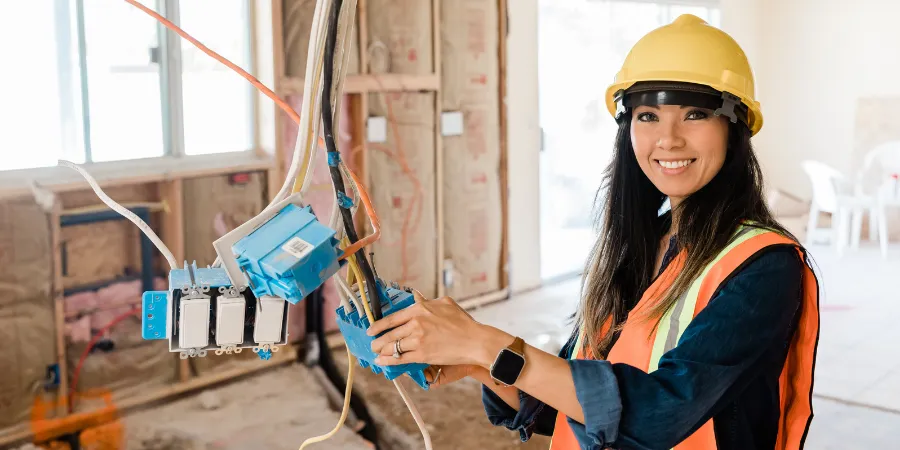
How to Choose the Right Trade School Program: 13 Questions to Ask Before You Enroll
Choosing a trade school program is a big decision and it should feel exciting, not confusing. The right program can help you build skills, earn industry-recognized training, and move toward a stable, hands-on career without needing a four-year degree.
But not every trade school is the right fit for every student. If you're comparing options in Florida, use this checklist of questions to cut through the marketing and focus on what matters: training quality, hands-on learning, support, and outcomes.
At Coastal Technical Institute in Palm Bay, FL, students come for focused, practical training in high-demand fields, especially in skilled trades programs like HVAC, Electrical Technology, and Welding. Use the questions below to compare programs and feel confident about your choice.
1) What trade am I actually choosing—and do I like the day-to-day work?

Start with the real world. Don't choose a program based only on "good pay" or "high demand." Ask yourself what kind of work you want to do most days:
Do you want to troubleshoot systems, work indoors and outdoors, and solve mechanical problems? You may love HVAC.
Do you like wiring, controls, tools, and problem-solving with safety and precision? Electrical Technology may be a strong fit.
Do you want to build and repair with your hands, work with metal, and master a skill that's respected across industries? Consider Welding Technology.
If you're exploring options, start here: Coastal Technical Institute → Trades Programs.
2) Does the program teach job-ready skills—or just theory?
A strong trade program should be built around practical skills that relate to real job tasks. Theory matters (especially safety and fundamentals), but you should learn by doing, not just by sitting back and watching.
Look for details like:
Labs and shop time
Real equipment
Hands-on troubleshooting
Skill demonstrations & practice
At Coastal Tech, the focus is hands-on training designed to help students build confidence and competence.
3) How much hands-on lab time will I get each week?
This is one of the most important questions you can ask. "Hands-on" can mean many things, so ask for specifics.
You want to know:
How many hours are spent in lab vs classroom?
Do students rotate through different stations, or do they share equipment?
And are you honing the same skills that employers are looking for right from day one?
Hands-on training is where your confidence comes from and where your resume becomes believable.
4) Who are the instructors and what's their industry background?
Great instructors don't just know the material. They know how the job works in real life and how employers think.
Ask:
How long have instructors worked in the field?
Do they stay current with modern systems/tools?
Are they available for extra help?
A good instructor can turn a challenging concept into a skill you can use on the job site.
5) What does the curriculum cover (and what does it not cover)?
Ask for a curriculum breakdown. A quality program will be transparent about what students learn.
For example:
HVAC students often want to know about system basics, troubleshooting, tools, and safety.
Electrical students may wish to clarify electrical theory, wiring methods, and safety.
Welding students often want to understand what processes are covered and how skills are evaluated.
You're not just paying for "a class" you are investing in a pathway. Make sure the roadmap is clear.
6) How long is the program, and how quickly can I start?
Time matters especially if you are switching careers or trying to move into a stable job quickly.
Ask:
Program length
Start dates and enrollment cycles
Full-time vs part-time options (if offered)
How quickly you can begin after applying
If you're ready to move forward, check Admissions and Start Dates on the Coastal Tech site.
7) What are the admissions requirements?
Don't assume you qualify automatically. Ask what you need ahead of time:
Education requirements
ID/documents
Any placement steps
Background checks (depending on program/career)
You can also explore CTI's Admissions section here: Coastal Technical Institute.
8) What certifications or credential prep does the program include?
Trade employers care about skills and certifications can help prove them.
Ask:
Which certifications does the program prepare you for
Whether certification prep is included
What support do students get for test readiness
Coastal Tech also has a dedicated Certification Prep area on the site, which is a strong indicator of career readiness.
9) What kind of career services and job placement support are available?
A trade school should help you train—and help you transition into work.
Ask:
Do you get resume help?
Do they support interviews?
Are there employer relationships?
Is job placement support included after graduation?
Coastal Tech highlights job placement support and career resources, including Career Services and
Resume & Interview Support.
10) Can I tour the campus and see the labs before enrolling?
If a school is confident in its training environment, they won't hesitate to show it.
A campus tour helps you evaluate:
Cleanliness and organization
Equipment quality
Learning environment
How staff treats prospective students
Schedule a visit here: Schedule a Campus Tour
11) What does a typical weekly schedule look like?
Your life matters. Ask:
Class days and times
Attendance expectations
How missed classes are handled
How quickly you can make up labs (if needed)
This is especially important if you're balancing work, family, or transportation needs.
12) What are the total costs and what payment options exist?
Don't stop at "tuition." Ask for clarity on:
Tuition and fees
Tools, gear, books, PPE
Payment plans and scheduling
Coastal Tech highlights affordability and flexible options. Always ask for the full breakdown so there are no surprises.
13) After graduation, what jobs will I qualify for—and what's the realistic next step?
A good program should be honest and helpful about outcomes.
Ask:
What entry-level roles do graduates pursue
What skills you'll be expected to perform
Whether externships/apprenticeships are part of the path (varies by trade)
How quickly you could reasonably interview and start working
The goal is momentum: training → confidence → interviews → first job → growth.
Which trade program should you explore at Coastal Tech?

If you are deciding between trades, here are the three most common "best fit" paths:
HVAC Technician Training Program:
https://coastaltechnicalinstitute.com/hvac-technician-training-program
Electrical Technology Program:
https://coastaltechnicalinstitute.com/electrical-technology-program
Welding Technology Program:
https://coastaltechnicalinstitute.com/welding-technology-program
And if you want the full overview of Skilled Trades at CTI:
https://coastaltechnicalinstitute.com/trades-program
Quick checklist: what a "good trade school" should feel like

When you have found the right place, you'll usually notice:
You can clearly explain what you'll learn
The staff answers questions directly (no pressure tactics)
The training is hands-on and practical
There's support beyond the classroom
The next steps (apply, tour, start date) are simple
If you're ready to take a serious look, start here: Coastal Technical Institute.
FAQ's
Q1: How do I choose between HVAC, Electrical, and Welding?
Answer: Choose the trade that matches the work you'll enjoy most. HVAC focuses on diagnostics and mechanical repair; electrical is technical and systems-based; and welding involves precision fabrication and construction. Coastal Technical Institute offers campus tours and program overviews to help you choose the right path.
Q2: How long does it take to complete a skilled trades program at Coastal Technical Institute?
Answer: Program length depends on the trade you choose and your schedule, but many students choose skilled trades because the training is designed to get you job-ready faster than a traditional four-year path. The best way to get an exact timeline is to review program details and upcoming start dates, then speak with an advisor.
Q3: Do I need prior experience to enroll in HVAC, Electrical Technology, or Welding?
Answer: No. Many students start with little to no hands-on background. Coastal Technical Institute’s programs are built to train beginners with structured instruction, hands-on lab practice, and step-by-step skill development.
Q4: What kind of job support do students get after training?
Answer: Coastal Technical Institute offers career-focused support to help students transition from training to employment, including job placement assistance and resources like resume and interview preparation. You can also ask about employer connections and next steps during your campus tour or advisor call.
Q5: Is trade school worth it?
Answer: For many students, yes—especially if you want hands-on training for an in-demand career without the timeline and cost of a four-year degree.
Q6: Can I visit Coastal Technical Institute before enrolling?
Answer: Yes, book a tour here:https://coastaltechnicalinstitute.com/schedule-tour.


Innovation
Fresh, creative learning environment.

Integrity
Honesty and transparency.

Excellence
Top-notch Instructors.
FOLLOW US


COASTAL TECHNICAL INSTITUTE
STUDENT CARE
PROGRAMS
Trades
Licensed and Approved by:
Coastal Technical Institute (Formerly Brevard Nursing Academy) is licensed by the Commission for Independent Education (CIE), License number 5973, and approved by the Florida Board of Nursing (BON). Additional information regarding this institution may be obtained by contacting the Commission at 325 West Gaines Street, Suite 1414, Tallahassee, FL 32399-0400,
Toll-free telephone number (888) 224-6684.
Copyright 2026. Coastal Technical Institute. All Rights Reserved.