Blog
Invest in your future—with flexible options.
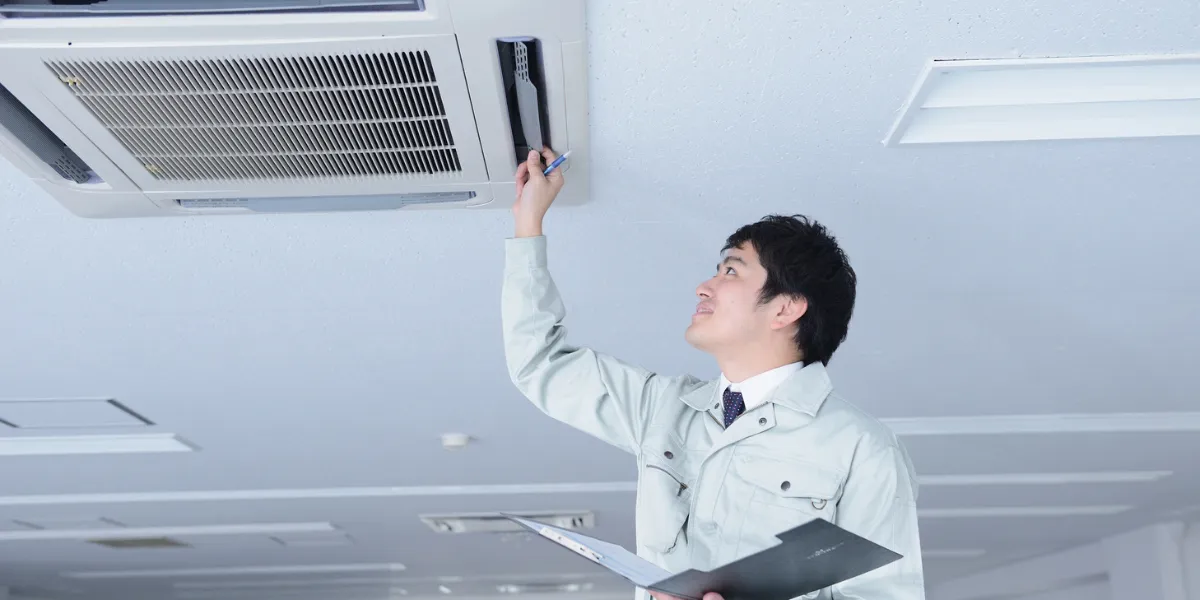
Become an HVAC Technician in Less Than a Year in Palm Bay, FL
If you’re the kind of person who likes practical work—fixing problems, using tools, and seeing results the same day—HVAC can feel like the right kind of career. It’s hands-on, it’s needed year-round in Florida, and it rewards people who can troubleshoot under pressure.
Can you actually become job-ready in HVAC in under 12 months—and what does that training look like?
This blog breaks it down in plain language, with the context of Coastal Technical Institute in Palm Bay, FL. We’ll talk about what “fast-track” means, what you’ll spend your time doing, the skills employers care about, and how certification prep (like EPA 608) fits into the picture.
What “HVAC technician” really means (especially in Florida)

HVAC stands for Heating, Ventilation, and Air Conditioning—and in Florida, air conditioning is not a luxury. It’s survival-level comfort for homes, apartments, medical spaces, offices, restaurants… basically everything.
An entry-level HVAC technician may work on tasks like:
basic maintenance and inspections
filter changes and airflow issues
thermostat and electrical component checks
diagnosing “no cool” and “no heat” calls
cleaning coils, checking pressures, spotting leaks
assisting with installs and replacements
Over time, you can move into more advanced diagnostics, commercial work, refrigeration, controls, or leadership roles.
Can you become an HVAC technician in less than a year?
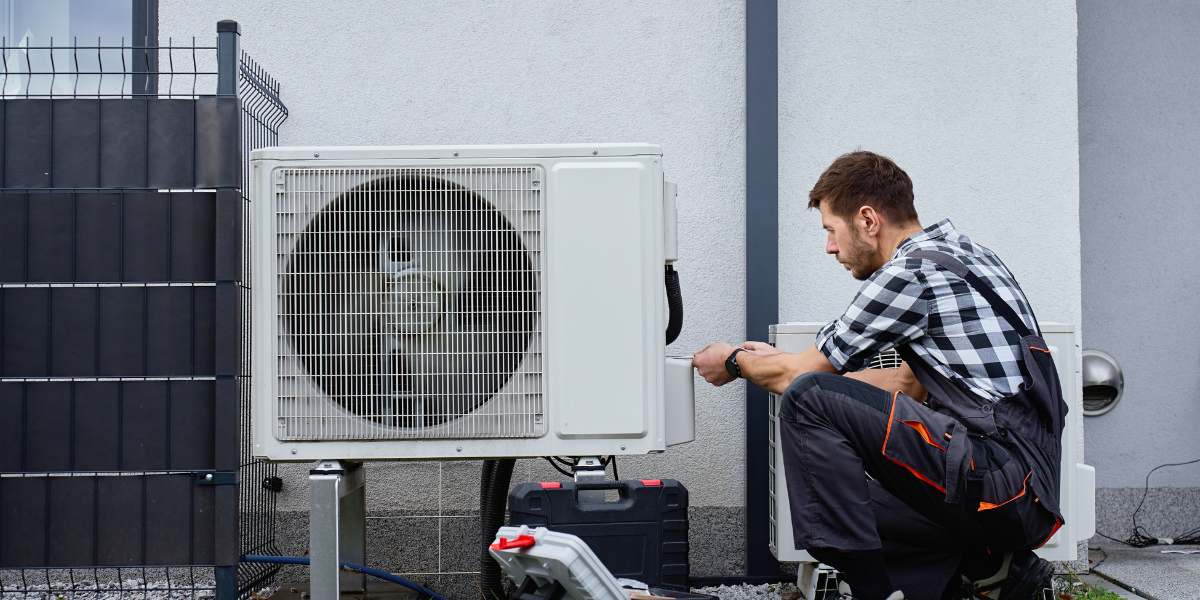
For many students, yes if the program is designed to move you from beginner to employable with:
structured hands-on training
consistent lab practice
real troubleshooting coaching
safety built into everything
certification preparation (like EPA 608)
job-search support at the end
What you’ll actually learn in a fast-track HVAC training program
A strong HVAC training program doesn’t teach you “a bunch of facts.” It teaches you a workflow: how to approach problems safely and logically.
Here are the core areas Coastal Tech lists (and what they mean in real life):
1) HVAC systems (basic to advanced)
You learn how systems are designed and how they behave when something goes wrong. That includes common components and how they interact.
2) Refrigeration cycle + safety
This is the backbone of cooling. Students usually start with the “why” (how heat moves) and quickly transition into how to diagnose issues like low charge, restrictions, dirty coils, and airflow problems.
3) Troubleshooting and repair techniques
This is the make-or-break skill. Employers want technicians who can:
identify the symptom
test the likely causes
confirm the issue with measurements (not guesses)
fix it safely and document it clearly
4) Ductwork, electrical systems, and thermostats
Many HVAC issues are airflow or electrical/control issues. Knowing how to approach thermostats, wiring, and safety practices is huge, especially for entry-level hires.
5) EPA 608 certification prep
If you want to work with refrigerants legally, EPA 608 matters. Training that includes prep gives you a smoother path into the field.
“Hands-on training” isn’t a buzzword—here’s what it should look like

This is where people get burned by the wrong school. Some programs say “hands-on” but you’re sharing equipment with too many people, or you spend most of your time watching.
In a real hands-on HVAC program, you should expect:
time in labs with real tools
repeated practice of the same core tasks
instructor coaching while you work
troubleshooting scenarios (not just perfect setups)
accountability (skills checks, performance feedback)
What a realistic week can feel like as an HVAC student
This is the part most people care about, especially career-changers who are balancing work and family.
A typical week in an HVAC training program often includes:
short classroom instruction (concept + safety)
instructor demos (how to do a task correctly)
lab practice (you do it repeatedly)
troubleshooting drills (you diagnose problems)
check-ins or skills validations (so progress is measured)
Some days you’ll leave feeling confident. Other days you’ll feel like you learned ten things and forgot nine. That’s normal HVAC is a skill trade. Your brain and your hands are learning together.
The skills that make you employable faster (what hiring managers actually notice)

To become employable in under a year, you don’t need to “know everything.” You need to be strong in the fundamentals that keep customers safe and equipment running.
Employers tend to love entry-level candidates who can:
show up on time and take safety seriously
use tools properly and keep a clean work area
follow a diagnostic process instead of guessing
explain what they checked and why
take feedback and improve quickly
That’s why training environment matters. You’re not just learning HVAC—you’re building technician habits.
Why Palm Bay (and Brevard County) is a practical place to train
Training close to home sounds simple, but it’s a big deal. When you’re learning a trade, consistency is everything. The easier it is to show up, the faster you improve.
Coastal Tech is located in Palm Bay, FL and notes convenience for Brevard County areas like Melbourne, West Melbourne, Malabar, Sebastian, and Grant-Valkaria. For many students, that saves time, reduces stress, and makes it easier to stick with the program through the tough weeks.
What about schedules, cost, and support?
Most students aren’t only asking “Can I learn this?” They’re asking:
“Can I learn this while still handling my life?”
From the HVAC page, Coastal Tech highlights:
day and evening class options
flexible payment plans
job placement assistance
more time with instructors / more support
That combination is important because training isn’t just about the content—it’s about whether you can actually complete it.
If you want to ask questions directly, CTI also has a contact option:
https://coastaltechnicalinstitute.com/contact
Not sure HVAC is your trade? Compare the other skilled trades programs

Sometimes you start with HVAC because it sounds stable—but then you realize you’re more interested in electrical, or you want welding. Coastal Tech offers multiple skilled trades program options:
HVAC Technician Training Program:
https://coastaltechnicalinstitute.com/hvac-technician-training-program
Electrical Technology Program:
https://coastaltechnicalinstitute.com/electrical-technology-program
Welding Technology Program:
https://coastaltechnicalinstitute.com/welding-technology-program
FAQs
How long does HVAC training usually take?
Many HVAC programs are designed to be completed in about a year (often around 12 months), depending on attendance and schedule.
Do I need experience to start HVAC training?
No. Many students start as beginners or career-changers. The key is hands-on practice, coaching, and consistency.
What is EPA 608 and do I need it?
EPA 608 is a certification related to handling refrigerants. Many HVAC roles require it, and training programs often include prep so you’re ready.
Can Coastal Technical Institute help with job placement?
The CTI HVAC page highlights job placement assistance and career support resources to help graduates transition into work.


Innovation
Fresh, creative learning environment.

Integrity
Honesty and transparency.

Excellence
Top-notch Instructors.
FOLLOW US


COASTAL TECHNICAL INSTITUTE
STUDENT CARE
PROGRAMS
Trades
Licensed and Approved by:
Coastal Technical Institute (Formerly Brevard Nursing Academy) is licensed by the Commission for Independent Education (CIE), License number 5973, and approved by the Florida Board of Nursing (BON). Additional information regarding this institution may be obtained by contacting the Commission at 325 West Gaines Street, Suite 1414, Tallahassee, FL 32399-0400,
Toll-free telephone number (888) 224-6684.
Copyright 2026. Coastal Technical Institute. All Rights Reserved.