
Blog
Invest in your future—with flexible options.
Practical Nursing in Palm Bay – What It Is and Why Demand Is Rising
Practical nursing attracts people who want to build real clinical skills, care for others, and join a field with steady opportunities. The work is hands-on, patient-focused, and rooted in compassion and teamwork. Training paths are clear, and the transition from classroom to care settings can be fast. Learners find a structured way to move into meaningful roles while growing their confidence. As healthcare needs expand, the path is open for motivated students to step forward.
What Practical Nursing Is
This role centers on everyday bedside care that keeps patients safe, comfortable, and progressing toward better health. Clinical teamwork guides each task, and attention to detail shapes strong outcomes.
Key Responsibilities of a Licensed Practical Nurse
LPNs track vital signs, help with bathing, dressing, and feeding, and support mobility to improve comfort and independence. They follow evidence-based procedures that keep routines consistent. A licensed practical nurse coordinates closely with supervisors, reporting observations promptly. Skills learned in a practical nursing course translate directly to patient needs at the bedside.
Communication and Teamwork in the LPN Role
Care moves quickly, and a licensed practical nurse often notices changes first because of close patient contact. Clear, concise updates help the team adjust care plans quickly. Active listening builds trust with patients and families. Shared goals across shifts protect continuity and quality.
Where Practical Nurses Work
LPNs contribute across hospitals, long-term care, rehab centers, and physician offices. Community settings, such as home health and clinics, expand options for different schedules. Many LPNs balance stable full-time roles with part-time or per-diem shifts for flexibility. Work setting often shapes growth opportunities and can influence a practical nurse's salary.
Why Practical Nursing Is in High Demand

Hiring needs continue to rise as populations age, chronic conditions expand, and services shift into the community. The field welcomes new graduates who are ready to learn, adapt, and contribute.
Aging Population Driving Care Needs
More older adults need daily support with medication routines, mobility, and chronic disease management. LPNs bring a steady presence and practical skills to help patients maintain function. A licensed practical nurse supports families with education and reassurance during recovery. Long-term care and rehab centers rely on consistent bedside care to keep patients stable.
National Nursing Shortage
Workforce gaps create additional openings for entry-level clinicians with strong fundamentals. Graduates who complete a practical nursing course can move into roles where patient contact is frequent and meaningful. Facilities value reliability, safe practice, and strong documentation. Competitive packages and quicker hiring timelines often reflect this need, improving outlooks for practical nurse salaries.
Expansion of Care Settings
Care is growing in outpatient clinics, surgical centers, hospice, and home-based services. These environments need clinicians who adapt quickly to new workflows. The core skills of practical nursing travel well across these settings. Communication, organization, and empathy are transferable strengths.
A Strong Career Path With Room to Grow
Some LPNs build long careers in one setting, while others progress to new roles and credentials. A practical nursing course can be a step toward associate or bachelor 's-level nursing. Experience as a licensed practical nurse builds confidence for higher responsibility. Curiosity and continued learning support steady advancement.
What Students Learn in a Practical Nursing Course

Training blends classroom knowledge, hands-on practice, and supervised clinical rotations. The result is a foundation that supports safe, attentive care from day one.
Classroom & Skills Lab Training
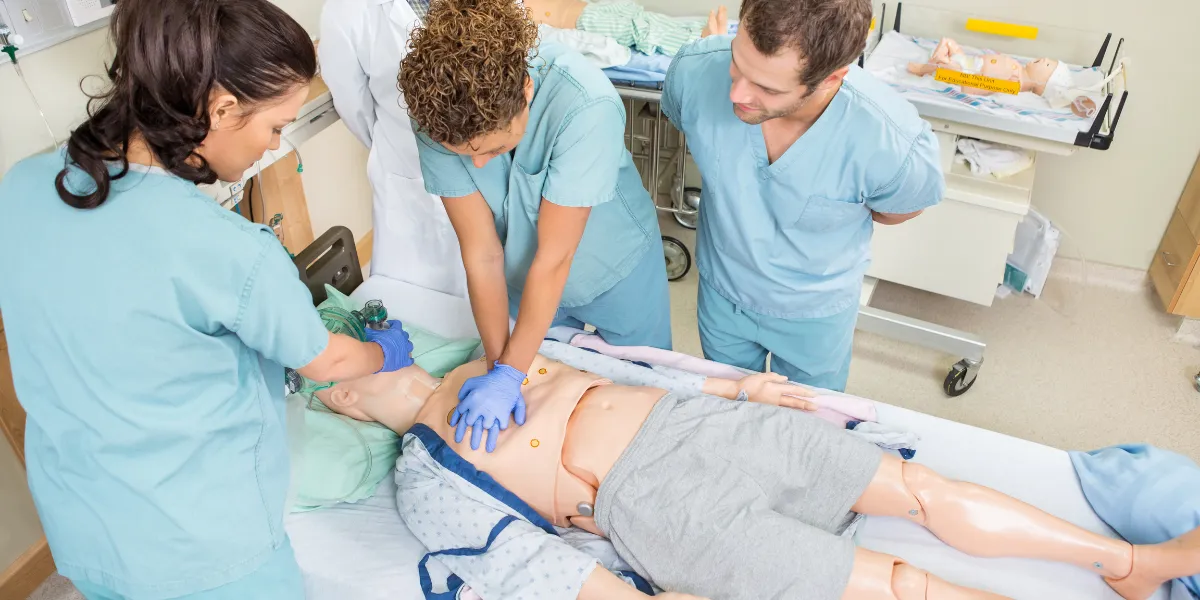
Coursework covers anatomy, pharmacology, and documentation fundamentals with a focus on safe practice. Labs introduce realistic scenarios using the same tools found in clinical units. Learners build muscle memory through repeated practice in core skills of practical nursing. Guided feedback builds accuracy, speed, and clinical judgment.
Clinical Rotations
Rotations bring students into hospitals, clinics, and long-term care facilities with experienced preceptors. Students apply classroom learning with real patients and real timelines. They learn to prioritize tasks, engage respectfully with families, and chart clearly. These experiences often lead to strong references and early job leads.
Why Do I Want to Be a Practical Nurse?

Personal values meet professional purpose in this role. Many learners appreciate meaningful contact with patients and the chance to see progress up close.
A Career With Purpose
Helping people through recovery, daily routines, and small wins is deeply satisfying. Patients remember kindness, consistency, and patience during stressful times. The role allows you to advocate for comfort, dignity, and clarity. Moments of gratitude can carry you through the toughest shifts.
Short, Affordable Path to a Good Job
Training timelines are shorter than many degrees, which keeps the path accessible. Tuition is often manageable with flexible options, scholarships, or employer programs. Graduates transition quickly into entry-level roles with steady schedules. A competitive practical nurse salary helps new clinicians start building financial stability.
Job Stability and Growth
Hiring demand remains strong across multiple care environments. New graduates find clear paths into full-time roles with supportive teams. Specialties such as rehab, geriatrics, and home health create varied pathways. Over time, added skills and credentials can improve a practical nurse's salary and scope.
Practical Nurse Salary and Earning Potential

Compensation varies by region, experience, shift type, and care setting. Understanding the landscape helps you plan goals and timelines.
Factors That Influence Pay
Night shifts, weekends, and holidays typically offer higher differentials. Facilities in rural or urban shortage areas may offer sign-on bonuses. Specialty units sometimes add premiums for focused skill sets. Additional certifications and strong references support better offers.
Opportunities to Increase Earnings Over Time
Experience brings speed, confidence, and responsibility that support higher pay. Certifications in areas like wound care or IV therapy can open doors. Float pools reward adaptability across departments and units. Leadership roles in charge positions expand influence and compensation.
Where Do Practical Nurses Make the Most Money?

Pay often reflects local demand, cost of living, and staffing levels. Targeting the right environments can support both growth and balance.
Highest-Paying Work Settings
Home health and private duty often value autonomy and self-direction.
Government and correctional facilities may offer stable schedules with solid benefits.
Specialty clinics and infusion centers reward focused skills and precision.
Highest-Paying States and Regions
Regions with higher costs of living tend to offer stronger base rates.
Urban centers with staffing gaps may post aggressive hiring packages.
Growing suburbs sometimes add incentives to attract dependable talent.
Who Practical Nursing Is a Great Fit For
This path suits motivated learners who enjoy direct patient contact and hands-on tasks. It also works for career changers seeking stable roles with clear advancement.
Personality Traits That Support Success
Compassion and patience set the tone for every interaction. Strong communication supports teamwork and productive handoffs. Attention to detail keeps documentation accurate and timely. Resilience helps you adapt across busy shifts and shifting priorities.
Life Situations Where LPN Training Makes Sense
Returning to the workforce after a break, and want a clear path into healthcare. Seeking quicker training that leads to stable entry-level roles. Balancing family or other commitments with a realistic study schedule. Looking for a portable credential with options across settings.
How Coastal Technical Institute Supports Future Practical Nurses

Learners thrive when they train with real equipment, consistent coaching, and structured clinical experiences. Coastal Technical Institute builds confidence from orientation through graduation.
Our Hands-On, Career-Focused Training Approach
Our skills labs mirror real clinical environments with current tools and workflows. We coach you through practice scenarios, debrief thoughtfully, and connect each skill to patient outcomes. Simulation gives you a safe space to build judgment before entering clinicals. Our practical nursing course is paced to strengthen competence step by step.
Our Student Support and Job Placement Assistance
We guide you through academics, exam preparation, and professional planning. Our career team provides resume feedback, mock interviews, and local employer connections. We share real hiring timelines and role expectations so you can prepare with clarity. Alumni networks offer mentorship, insights, and early job leads.
Our Flexible and Affordable Path to a Healthcare Career
We offer multiple schedules to fit work and family commitments. Our tuition planning is transparent, with scholarships and payment options to reduce barriers. We prioritize practical training that translates quickly into entry-level roles. You leave ready for interviews, onboarding, and early success on the job.
Conclusion
A patient-first mindset, dependable routines, and steady learning define this path. The field welcomes people who value teamwork and want to make a difference at the bedside. Training, clinical exposure, and consistent mentorship can lead to lasting fulfillment. Step by step, you can build a career that blends compassion with practical skill.
Take your next step with Coastal Technical Institute and start preparing for a rewarding role in care. Talk with our admissions team to map out your timeline and training plan today.


Innovation
Fresh, creative learning environment.

Integrity
Honesty and transparency.

Excellence
Top-notch Instructors.

FOLLOW US


COASTAL TECHNICAL INSTITUTE
STUDENT CARE
PROGRAMS
Trades
Licensed and Approved by:
Coastal Technical Institute (Formerly Brevard Nursing Academy) is licensed by the Commission for Independent Education (CIE), Florida Department of Education, and approved by the Florida Board of Nursing (BON). Additional information regarding this institution may be obtained by contacting the Commission at 325 West Gaines Street, Suite 1414, Tallahassee, FL 32399-0400,
Toll-free telephone number (888) 224-6684.
Copyright 2026. Coastal Technical Institute. All Rights Reserved.