Blog
Invest in your future—with flexible options.
What Does a Home Health Aide Do? Training for In-Home Patient Care
A home health aide (HHA) is a trained health care worker who provides essential personal care, routine health monitoring, and assistance with activities of daily living to patients in their homes. If you've ever wondered what does a home health aide do and if it's a profession that's right for you, you'll get a direct, complete answer in this blog.
The demand for in home patient care is not slowing down. Home health and personal care aides will see the fastest growth rate of any occupation in the country at 21% through 2033, according to the U.S. Bureau of Labor Statistics. This is because the Baby Boomer population is growing older, the incidence of chronic diseases is increasing, and patients clearly are more interested in getting care at home than in a facility.
This blog covers exactly what HHA duties look like daily, the skills that make a great aide, and how you can gain home health aide certification in only four weeks in a concentrated vocational program.
What is a Home Health Aide (HHA)?
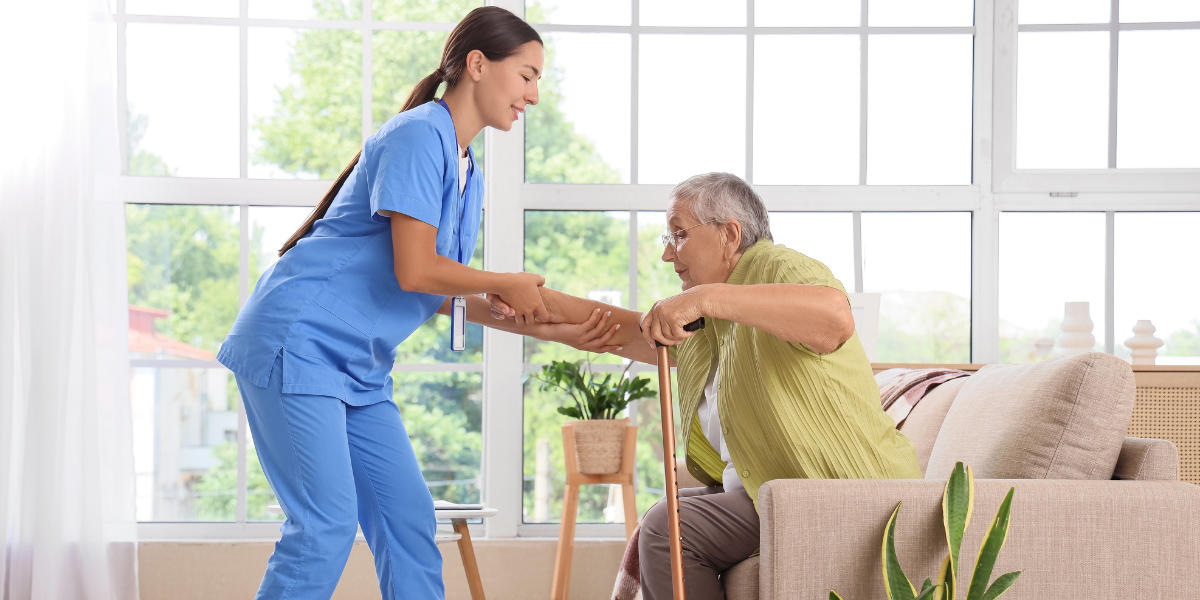
A home health aide is a care professional who has been trained to provide in home patient care services in the patient's home. Unlike clinical settings, the home environment requires aides to operate with greater independence and situational awareness.
HHAs typically serve:
Elderly individuals who require daily living assistance.
Patients recovering from surgery, stroke, or other serious illnesses.
Patients with chronic diseases like diabetes, COPD, or heart failure.
People with physical or cognitive impairment, such as dementia or traumatic brain injury.
It is also a good idea to understand the role itself in relation to other roles that are similar to it.
➢ HHA vs. Personal Care Aide (PCA)
The role of a Personal Care Aide (PCA) is typically non-medical in nature, such as providing companionship, light housekeeping, or reminders of daily activities. A home health aide, on the other hand, is trained in a more structured manner in the field of health so that they can monitor patient health, track patients' vital signs, and use clinical observation skills in the real world.
➢ HHA vs. Certified Nursing Assistant (CNA)
CNAs typically work under direct nurse supervision inside hospitals or long-term care facilities. HHAs operate on their own in patients' homes with independent judgment, communication, and the ability to deal with changes in a patient's condition without immediate clinical support.
Core Duties and Responsibilities of a Home Health Aide
Employers post positions, and families look for care, and they always have the same question: "What does a home health aide do on a day-to-day basis?" This is a detailed list of the tasks involved.
1️⃣ Assistance with Activities of Daily Living (ADLs)
ADLs are the foundation of HHA duties. Patients who can no longer manage basic self-care independently rely on their aide for:
Personal hygiene care: bathing, sponge baths, oral hygiene, and shaving.
Dressing, grooming, and toileting assistance.
Safe mobility support, bed-to-wheelchair transfer for patients.
Adopting fall reduction measures to minimize one of the biggest injury risks for older patients.
These tasks are technical and require patience. Patient's dignity should be maintained at all times.
2️⃣ Basic Health Monitoring & Medical Support
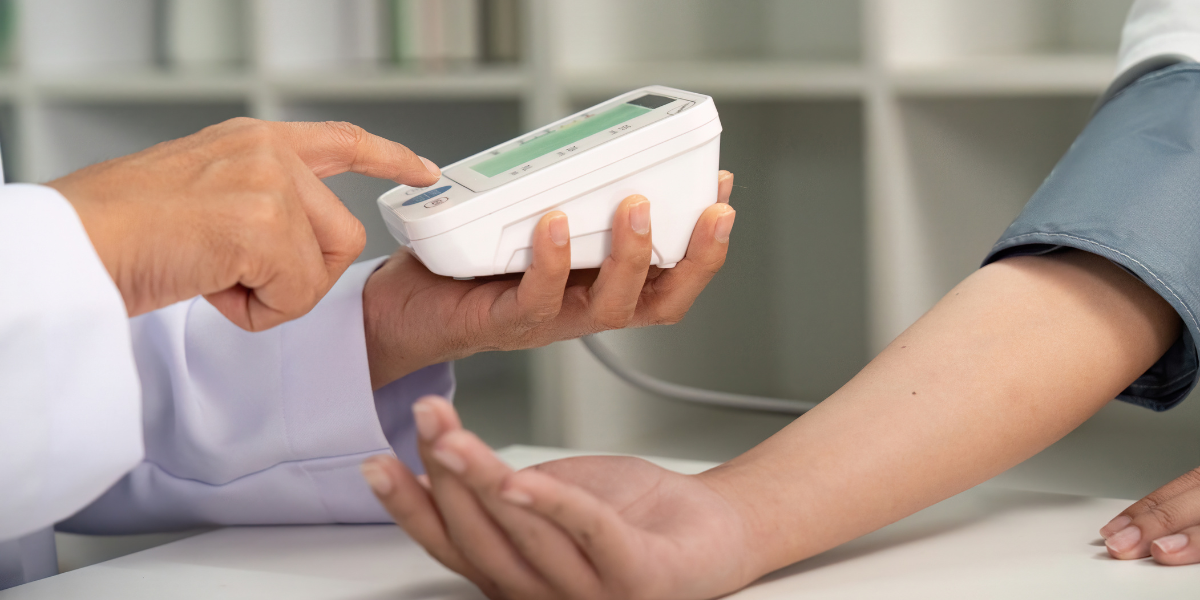
This aspect is where the HHA role separates itself from standard personal care. A key part of understanding what does a home health aide do is recognizing their clinical monitoring responsibilities. Trained aides are qualified to:
Monitor and document vital signs, such as pulse rate, body temperature, respiration rate, and blood pressure.
Remind customers to take medicine according to the doctor's prescriptions.
Notice any slight physical or mental changes, loss of appetite, confusion, or mood changes.
Accurately report results to nursing supervisors or family members.
This observational responsibility is critical. An HHA that notices early warning signs and reports them promptly can prevent a medical crisis.
3️⃣ Housekeeping and Nutritional Care
Patient health does not exist in isolation from their environment. In providing quality in home patient care, HHAs assume the responsibility of:
Nutrient-dense, culturally appropriate meals and meals that meet dietary restrictions (low sodium, diabetic-friendly, soft diets, etc.)
Light housekeeping duties directly related to patient care, such as laundry, dishwashing, and cleaning living areas and sanitary hygiene.
Running essential errands, including grocery shopping and prescription pickup.
A clean, well-nourished patient recovers faster and maintains better overall health outcomes.
4️⃣ Companionship and Mental Stimulation
Housebound patients are known to be at risk of social isolation, especially those receiving in home health care for seniors, where loneliness and depression are common and often not addressed concerns. To overcome this, HHAs do the following:
Keeping patients involved and interested in conversation and activities that stimulate the mind.
Providing regular human interaction to fight depression and loneliness.
Visiting patients at their medical appointments and community outings, if necessary.
This aspect of care is often underestimated, but the emotional impact of regular companionship on patient recovery and quality of life is well supported by research.
Essential Skills and Qualities of an Effective HHA
Home health aide training builds technical skills, but the best aides also bring critical personal qualities that no textbook fully teaches.
➢ Empathy & Emotional Intelligence
You will be interacting with patients throughout the day who are in pain, fearful, or cognitively challenged. It's a must to be calm, patient, and compassionate when things get tough. This is particularly important in home health care for senior citizens, as patients could be grieving, suffering from memory loss, or experiencing the emotional strain of having lost their independence. Patients and families place a great deal of trust in their HHA, and for that trust to be earned, it must be done regularly.
➢ Physical Stamina
The physical demands of this role are real. Transferring, repositioning, and assisting patients with mobility requires strength, correct body mechanics, and the endurance to perform these tasks across a full shift without injury to yourself or the patient.
➢ Infection Control Knowledge
HHAs regularly work with immunocompromised individuals. Correctly using personal protective equipment (PPE), maintaining hygienic environments, and following proper handwashing and sanitation protocols are essential skills covered in any quality home health aide training program.
➢ Strong Communication & Reliability
An HHA serves as a bridge for the patient, their family, and the other healthcare team. The quality of the information provided to nursing supervisors, clear and complete, can have a direct impact on treatment decisions. Beyond clinical reporting, being punctual and dependable is the baseline standard every employer and family expects.
How to Become a Home Health Aide: Training and Certification
Most people do not realize that home health aide certification is more accessible than they think and much quicker than going to college.
➢ Federal and State Requirements
Agencies that receive Medicare or Medicaid funding are federally required to employ HHAs who have completed a state-approved training and evaluation process. This is a minimum of 75 hours of classroom instruction and clinical skills demonstration in most states.
Florida adheres to these federal guidelines, and upon completion of an approved program, graduates are eligible to take their state competency exam.
➢ The Vocational Route
No 4-year degree is required to work in this field. Vocational training programs are the fastest, most cost-effective route to home health aide certification, and they are specifically designed to match employer expectations from day one.
For residents of Brevard County and the surrounding region, Coastal Technical Institute offers one of the most career-oriented and practical HHA programs available in Palm Bay, FL.
Training Highlight: Coastal Technical Institute (Palm Bay, FL)
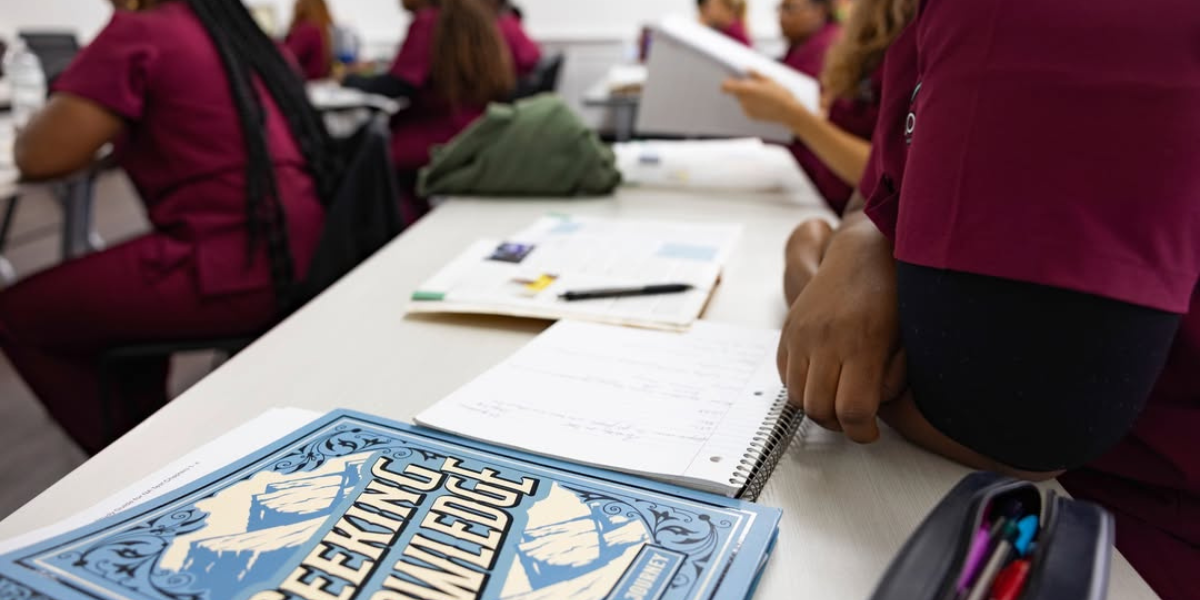
Coastal Technical Institute is a state-approved vocational school designed to provide students with the skills and background necessary to successfully start a healthcare career without wasting time or money on unnecessary academic diversions or courses.
➢ Fast-Track Completion
Our home health aide training is geared to working adults and career changers. Students can graduate and be fully positioned for the workplace in just 4 weeks, before most traditional programs have completed their first module.
➢ Hands-On Lab Training
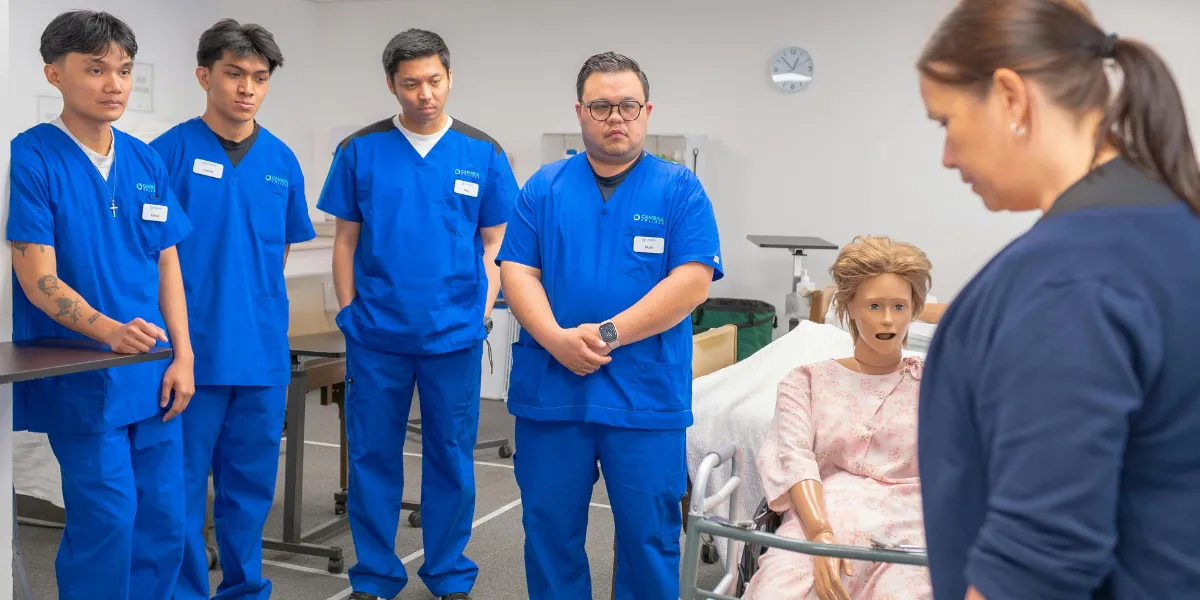
There's only so much theory that can be covered in the classroom. CTI's curriculum emphasizes actual, real-world, industry-standard labs. Students learn important documentation practices, real-world documentation, transfer techniques, infection control, and safe patient handling using actual medical equipment while tracking vital signs. All of the skills taught directly relate to what students will encounter in home patient care, starting on their first shift in an actual job.
➢ Affordable & Debt-Free
The growing need for in home health care for seniors means certified HHAs are in high demand, and entering this field should not require going into debt. Our program is affordable, so students can develop skills that are in demand and will lead to higher-paying jobs without the student loan debt of four-year universities.
➢ Job Placement Support
Certification is just the beginning. We link graduates straight to the best employers in the Palm Bay and Brevard County health care industry. Pre-employment opportunities are often available to students, as the school has a good relationship with in home health care for seniors providers.
Conclusion
However, if you have been wondering what a home health aide do and if this career will be the right one for you, then the answer may be clear at this moment. A home health aide provides life-changing in home patient care to those who need it the most, and each day combines clinical monitoring and personal support with human connection.
The position has high demands, simple progression, and some of the most fulfilling professions in healthcare. The demand for in home health care for seniors has continued to rise throughout Florida, and the country, and certified HHAs will be one of the most in-demand health care workers in the workforce.
No four-year degree. No excessive debt. Just focused, practical home health aide training that prepares you for real patient care from week one.
Apply to the home health aide program at our institute in Palm Bay, FL, today to schedule a personalized campus tour and get all your questions answered before you enroll.


Innovation
Fresh, creative learning environment.

Integrity
Honesty and transparency.

Excellence
Top-notch Instructors.
FOLLOW US


COASTAL TECHNICAL INSTITUTE
STUDENT CARE
PROGRAMS
Trades
Licensed and Approved by:
Coastal Technical Institute (Formerly Brevard Nursing Academy) is licensed by the Commission for Independent Education (CIE), License number 5973, and approved by the Florida Board of Nursing (BON). Additional information regarding this institution may be obtained by contacting the Commission at 325 West Gaines Street, Suite 1414, Tallahassee, FL 32399-0400,
Toll-free telephone number (888) 224-6684.
Copyright 2026. Coastal Technical Institute. All Rights Reserved.