
Blog
Invest in your future—with flexible options.
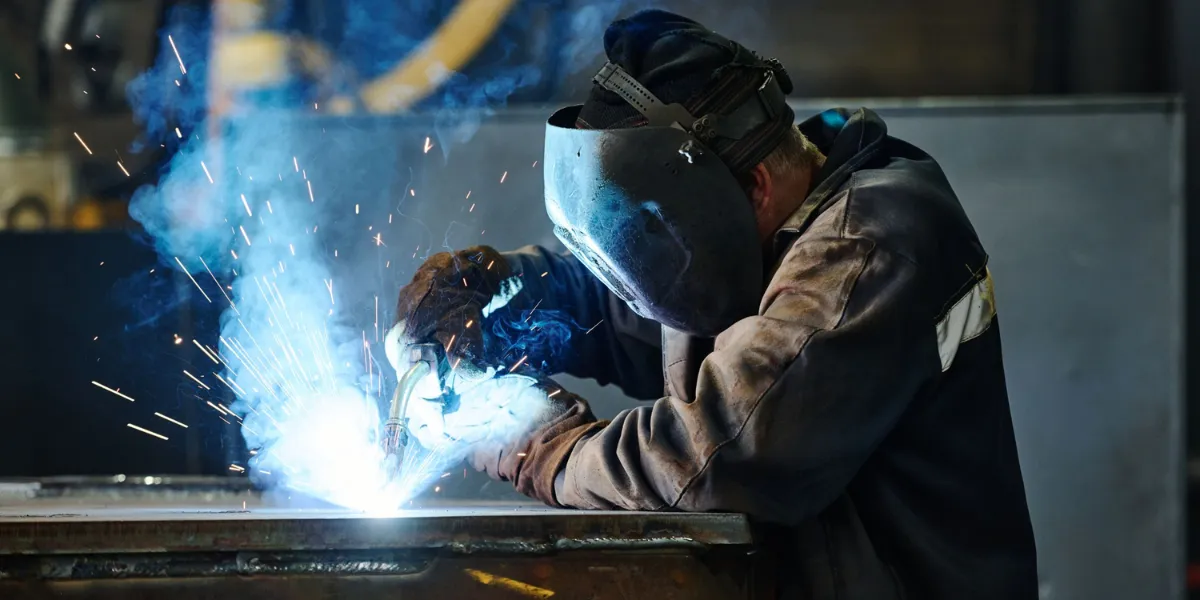
Welding Career Opportunities: Jobs, Salaries & Growth Outlook In Florida
Florida's manufacturing, infrastructure development, maritime services, and construction industries are all still expanding. Skilled welders who construct, fix, and maintain the infrastructure that keeps the state running are the backbone of many of these sectors. If you are exploring welding career opportunities in Florida, this blog will help you understand job options, earning potential, required certifications, and long-term growth outlook.
Welding provides a realistic route into a secure and fulfilling job, regardless of whether you are a recent high school graduate, someone thinking about changing careers, or someone just investigating skilled trades.
The Reasons Why Welding Is a Good Career Option in Florida

Welding remains one of the most dependable skilled trades in the country. In Florida, the demand for trained welders is supported by several key industries:
Marine and ship repair
Commercial and residential construction
Structural steel fabrication
Manufacturing and industrial production
These sectors rely heavily on professionals who can safely and accurately join metal components. As infrastructure continues to age and new development projects expand across the state, welding career opportunities remain steady.
While national job growth is projected at about 2 percent through 2034, much of the opportunity comes from replacing retiring workers. Florida shows particularly positive demand because of its strong construction market and coastal economy.
Welding Jobs in Florida: What Are Your Options?

There are many different welding jobs available depending on your skills, certifications, and interests. Some of the most common welding jobs in Florida include:
Structural Welder or Fabricator
Structural welders work on steel frameworks, bridges, and buildings. They weld big structural parts, measure materials, and read plans. Because of the continuous construction projects in Florida, this is one of the most prevalent welding tasks.
Marine Welder or Shipfitter
Florida’s coastline creates strong demand for marine welders. These professionals work on boats, ships, and offshore equipment. Due to the particular skills required, marine welding frequently offers excellent remuneration and demands precision.
Boilermaker or Pipefitter
Boilermakers and pipefitters deal with industrial pipework and pressurized systems. These welding positions can result in better pay and usually call for additional training.
Manufacturing Welder
Production facilities and factories employ manufacturing welders. They might concentrate on specialized industrial components or repetitive fabrication operations. Manufacturing in Florida is still a reliable source of welding jobs.
Each of these paths offers different work environments and salary ranges, allowing students to choose an area that matches their interests and career goals.
Welder Salary in Florida: What You Can Expect

Income potential is one of the most often asked questions among students. Knowing Florida's welder pay can help you assess if this line of work aligns with your financial objectives.
For 2025 to 2026, the typical welder salary in Florida falls within the following ranges:
Median annual salary: approximately 49,430 to 51,000 dollars
Hourly wage: about 23 to 24 dollars per hour
Entry-level range: 35,900 to 38,430 dollars per year
Top earners: 68,420 to 80,140 dollars per year
Experience, credentials, industry, and geography can all affect a welder's pay in Florida. Because of their particular talents, industrial and marine welders frequently make more money. As you gain experience and complete advanced training from state-approved welding trade school, your earning potential increases significantly.
When evaluating welding career opportunities, salary growth over time is important. Many welders start at entry-level wages and increase their income within a few years through skill development and additional certifications.
Job Growth and Long-Term Outlook
Although national growth is considered slower than average, there are still thousands of projected openings annually. Approximately 45,600 openings are expected each year nationwide due to worker retirements and replacement needs.
In Florida, welding career opportunities remain strong because of:
Aging infrastructure requiring repair and upgrades
Continued residential and commercial construction
Ongoing marine and ship repair activity
Expanding manufacturing facilities
This combination of factors creates a stable demand for trained professionals. Even when growth percentages appear modest, consistent replacement needs make welding a dependable career choice.
How to Become a Welder in Florida
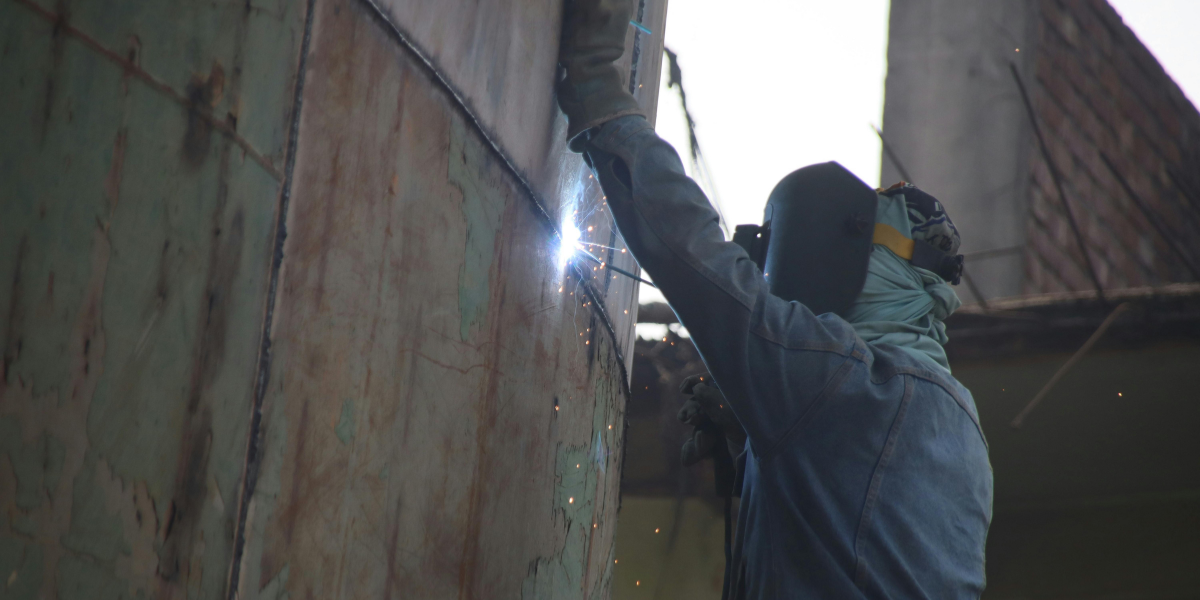
In contrast to many other occupations, becoming a welder in Florida is a rather simple process.
Step 1: Complete High School or GED
The majority of companies require a high school diploma or its equivalent. Shop classes, blueprint reading, and basic math are useful starting points.
Step 2: Enroll in a Welding Training Program
Formal training gives you practical expertise with stick, flux core, TIG, and MIG welding techniques. Students gain knowledge of fabrication techniques, safety protocols, and blueprint interpretation.
For students seeking structured, career-focused training in Florida, institutions such as Coastal Technical Institute offer hands-on welding programs designed to prepare graduates for entry-level welding jobs and certification opportunities.
If you are researching how to become a welder in Florida, attending a welding trade school can help you develop job-ready skills faster than learning solely on the job.
Step 3: Earn Certifications
Employers often look for industry-recognized credentials. Completing welding certification Florida requirements can make you more competitive in the job market.
Step 4: Gain Experience
Many graduates start in entry-level roles and build experience over time. With skill development and additional certifications, career advancement becomes more accessible.
Understanding how to become a welder in Florida allows you to plan your education and career path with confidence.
Welding Certification Florida: Why It Matters
Obtaining welding certification and Florida credentials demonstrates that you meet industry standards. Certifications can improve your job prospects and potentially increase your salary.
Common benefits of welding certification Florida includes:
Greater employability
Higher earning potential
Qualification for specialized welding jobs
Increased credibility with employers
Certain industries, such as structural steel or marine welding, may require specific certification tests. Completing welding certification programs in Florida can help you qualify for these higher-demand positions.
When exploring welding career opportunities, certifications often make the difference between entry-level work and more advanced, higher-paying roles.
Industries Driving Welding Career Opportunities in Florida
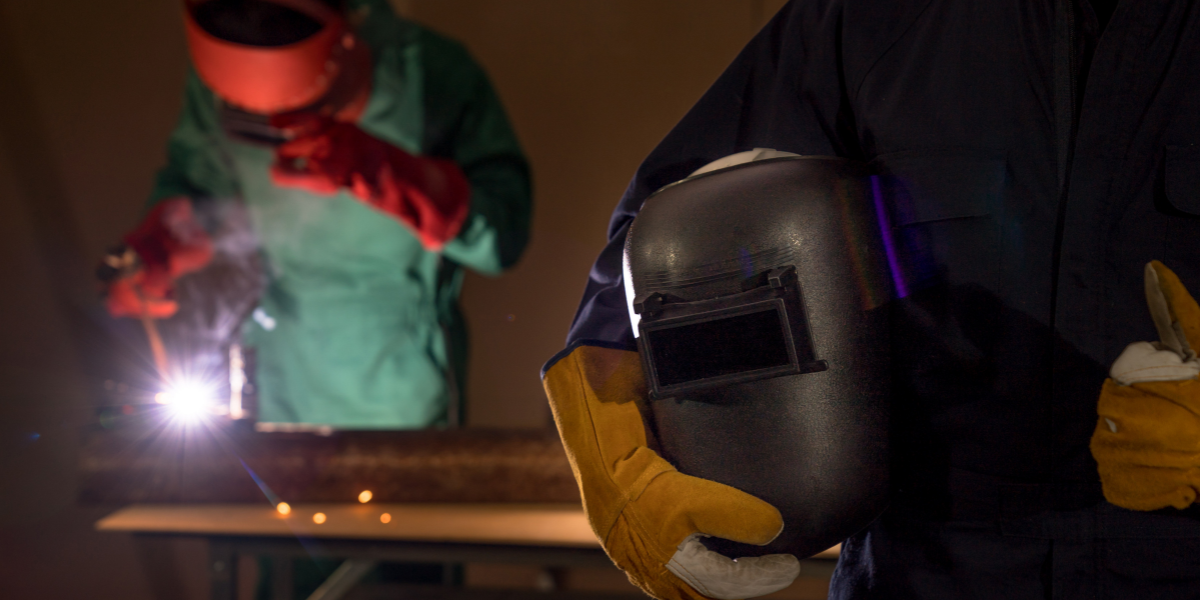
The economy of Florida supports a variety of welding jobs. Throughout the state, welding career opportunities are still being created by the following sectors:
Marine and Ship Repair
Coastal cities rely heavily on boat construction and maintenance. Marine welding remains one of the strongest specialty areas.
Construction and Infrastructure
Residential developments, commercial buildings, and infrastructure upgrades generate steady welding jobs.
Structural Metal Fabrication
Fabrication shops produce steel components used in construction and industrial settings.
Manufacturing
Skilled welders are essential to the assembly of machinery and equipment parts in factories and other industrial facilities.
Florida offers a wider range of welding employment options than many other states since it blends tourism, shipping, real estate development, and industrial manufacturing.
Conclusion
Welding continues to offer strong and stable career potential across Florida. With median earnings between 49,430 and 51,000 dollars per year and higher pay available in specialized industries, welding career opportunities remain financially rewarding. Ongoing construction, marine operations, and manufacturing activity throughout the state continue to support steady demand for skilled professionals.
By learning how to become a welder in Florida and completing the right welding certification Florida training, you can position yourself for long-term welding jobs with advancement potential. If you are ready to take the next step toward a hands-on career, explore the welding trade school programs available at Coastal Technical Institute to learn more about building the skills employers are looking for.
FAQ:
Are welders in demand in Florida?
Yes. While national growth is modest, Florida continues to show positive demand due to construction expansion, marine industries, and infrastructure projects. Replacement needs from retiring workers also create steady openings, supporting ongoing welding career opportunities.
Is it difficult to find a job in Florida?
For individuals with proper training and welding certification and Florida credentials, job prospects are strong. Employers often prefer candidates who have completed proper training and can demonstrate hands-on skills.
Can welders make good money in Florida?
Yes. The average welder salary in Florida ranges from about 49,430 to 51,000 dollars annually, with experienced professionals earning significantly more. Specialized welders in marine or industrial sectors may reach 68,000 dollars or higher per year.


Innovation
Fresh, creative learning environment.

Integrity
Honesty and transparency.

Excellence
Top-notch Instructors.
FOLLOW US


COASTAL TECHNICAL INSTITUTE
STUDENT CARE
PROGRAMS
Trades
Licensed and Approved by:
Coastal Technical Institute (Formerly Brevard Nursing Academy) is licensed by the Commission for Independent Education (CIE), License number 5973, and approved by the Florida Board of Nursing (BON). Additional information regarding this institution may be obtained by contacting the Commission at 325 West Gaines Street, Suite 1414, Tallahassee, FL 32399-0400,
Toll-free telephone number (888) 224-6684.
Copyright 2026. Coastal Technical Institute. All Rights Reserved.