
Blog
Invest in your future—with flexible options.
How to Become an LPN in Florida: Step-by-Step Guide
Becoming an LPN in Florida involves a few clear stages. You’ll need to enroll in an approved practical nursing program, complete your nursing education and clinical training, apply for licensure, complete fingerprinting, register for the NCLEX-PN, and pass the exam.
On paper, that sounds simple enough. In practice, students are usually handling school requirements and state licensing requirements at the same time, and that’s where things can get confusing.
The good news is that you don’t have to figure it all out at once. Take it one stage at a time. If you’re looking for practical nursing training around Palm Bay, Coastal Technical Institute’s Practical Nursing program is one local option to consider.
Step 1: Find out what you need before applying
Your first job is pretty simple: check the admission requirements for the nursing program you’re interested in.
Many practical nursing programs require basic education credentials, such as a high school diploma or GED, along with other school-specific admission requirements. Depending on the school, you may also need to complete an application, take an entrance assessment, attend an interview, or submit additional documents.
It helps to write everything down before you start applying. Ask about nursing prerequisite courses, tuition, financial arrangements, class schedules, clinical hours, and upcoming start dates. A five-minute conversation with admissions can save you from finding out about a missing requirement later.
Previous healthcare experience can certainly make parts of nursing school feel more familiar. Someone who has completed training through a nursing assistant training academy, for example, may already be comfortable around patients and healthcare settings.
Still, CNA or nursing assistant experience doesn’t take the place of practical nursing education. You’ll need to complete the education required for Florida LPN licensure.
Step 2: Choose the right practical nursing program
Choosing a school is a bigger decision than comparing program lengths.
Before enrolling, check the status of the actual practical nursing program. Florida provides information about approved prelicensure nursing programs, which students can use when researching their options.
Then look at the everyday side of the program.
How often will you be on campus? When do clinical rotations happen? How much travel might be involved? What kind of academic support is available if you struggle with pharmacology or another difficult subject?
These questions become especially important for students comparing nursing programs for working adults. A schedule that looks manageable at first can feel quite different once clinical days, exams, commuting, and study time are added.
Coastal Technical Institute offers a Practical Nursing program in Palm Bay and currently describes the program as a 13-month training option. Students can also read about the school’s 13-month practical nursing program in Palm Bay before deciding whether the schedule and training approach fit their plans.
Step 3: Complete your nursing training and clinical experience
This is where nursing starts to feel much less theoretical.
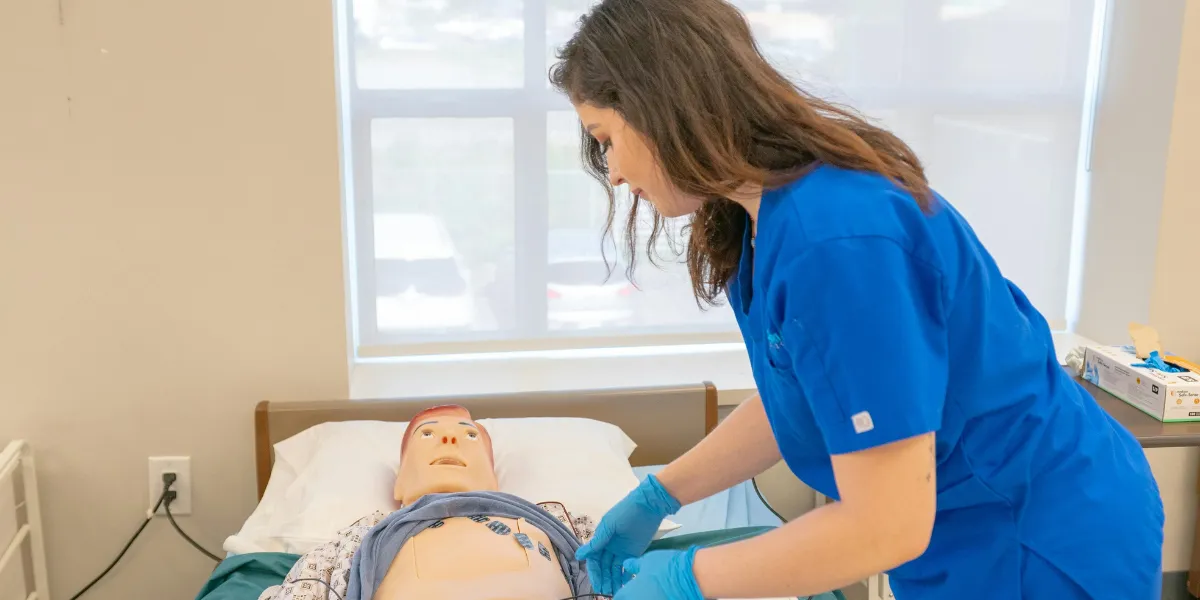
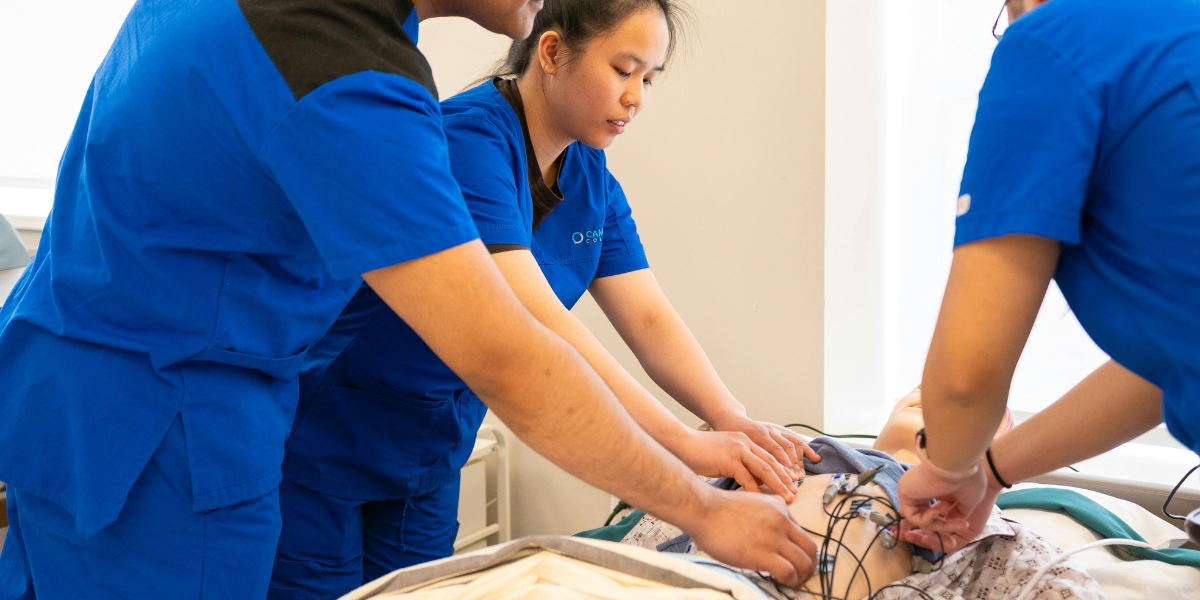
Practical nursing programs combine classroom instruction with lab work and supervised clinical experience. Students study areas such as patient care, medication administration, pharmacology, nutrition, anatomy and body function, mental health concepts, and the legal responsibilities that come with nursing practice.
Then you have to apply what you’ve learned.
Clinical training puts students into healthcare environments where they can practise nursing skills under supervision. That experience matters because caring for a patient rarely feels as neat as reading about a condition in a textbook.
Florida requirements for practical nursing education include clinical experience and theoretical instruction in areas such as medical, surgical, obstetric, pediatric, and geriatric nursing. Clinical experiences may take place in settings that include acute care, long-term care, and community care.
Students sometimes focus heavily on the number of months a nursing program takes. The weekly workload deserves just as much attention.
Ask how many days you’ll spend in class, when clinical shifts are normally scheduled, and how much study time students usually need outside school. If you’re working while studying, build some breathing room into your schedule. Nursing school can get busy quickly.
Step 4: Complete Florida’s fingerprinting requirement
Fingerprinting is one of those steps that looks minor until a paperwork problem slows everything down.
Initial LPN applicants in Florida are required to complete electronic fingerprinting for criminal-history screening. Applicants use an approved Livescan service provider and follow the instructions provided for nursing licensure.
Pay close attention to the ORI information you’re given. It tells the system where your fingerprint results need to go. Using incorrect information can create delays because the Florida Board of Nursing may not receive the results properly.
Also, try not to assume that a background screening you completed for nursing school automatically covers your licensing requirement. School screening and state licensing requirements may be handled separately.
If your history includes something that may require additional documentation, address it early. Doing so can help avoid delays later, when you may already be focused on graduation and NCLEX-PN preparation.
Step 5: Apply for your Florida LPN license
Once you’re approaching the licensing stage, you’ll be dealing with two organizations: the Florida Board of Nursing and Pearson VUE.
The Florida Board handles your application for licensure. Pearson VUE handles registration and testing for the NCLEX-PN.
Keep those two processes straight.
Submit the required Florida application, follow the fingerprinting instructions, and begin your Pearson VUE registration as directed. Once the Florida Board determines that you meet the requirements for licensure by examination, you can proceed with the NCLEX registration and scheduling process.
There are fees involved as well. Check the Florida Board of Nursing and Pearson VUE directly before paying because application and testing fees can change.
A basic folder can make this stage surprisingly easier. Keep copies of your application confirmation, payment records, fingerprinting receipt, school documents, Pearson VUE registration information, and any emails related to your license.
You shouldn’t have to search through months of messages every time someone asks for a document.
If you’re still getting a feel for the career itself, Coastal Technical Institute also explains what practical nursing is and why it is in high demand.
Step 6: Prepare for the NCLEX-PN
Finishing nursing school is a big milestone, but there’s still one important hurdle before licensure: the NCLEX-PN.
The exam is designed to determine whether you can make safe entry-level nursing decisions. That means preparation should go beyond memorizing definitions.
Start practising NCLEX-style questions before graduation if you can. When you miss a question, spend time understanding why the answer was wrong. That part of the process is often more useful than simply counting how many questions you completed.
Pay attention to patterns too.
Maybe pharmacology keeps tripping you up. Maybe you know the clinical information but rush through questions and overlook a key detail. Finding those weak spots early gives you something specific to work on.
And give yourself a study routine you can actually maintain. A huge study plan that falls apart after three days isn’t particularly helpful.
Coastal Technical Institute’s article about mistakes that cause practical nursing students to struggle may also help you spot study and time-management problems before they become bigger issues.
Step 7: Get licensed and start looking at LPN roles

Once you’ve passed the NCLEX-PN and completed Florida’s licensing requirements, you’re close to the part you’ve been working toward: becoming a licensed practical nurse.
From there, you can start thinking seriously about where you want to work.
LPNs work in different healthcare environments, and the day-to-day job can change depending on the setting. Long-term care is one common area for practical nurses. Clinics, rehabilitation services, community care, and other healthcare settings may also employ LPNs.
If working in a nursing home or long-term care environment interests you, Coastal Technical Institute has a useful article on the role of practical nursing in long-term care facilities.
Some students also compare practical nursing with other healthcare careers before deciding where to put their time and money. If you’re still weighing your options, the school’s discussion of practical nurse and phlebotomy programs gives you another point of comparison.
Keep two checklists instead of one
One practical trick can make this whole process easier: keep your school requirements and licensing requirements on separate checklists.
Your school list might include admissions paperwork, any required assessments, tuition planning, classes, lab work, clinical attendance, graduation requirements, and NCLEX preparation.
Your licensing list is different. It covers your Florida Board application, fingerprinting, Pearson VUE registration, eligibility notices, exam scheduling, NCLEX-PN results, and license status.
Why separate them? Because graduating from nursing school and getting licensed are two different milestones. When everything is mixed into one long list, it’s surprisingly easy to think you’re finished with something that still has another step attached to it.
For someone balancing school with work, children, or other responsibilities, this little bit of organization can make a stressful process feel much more manageable.
What should you ask an LPN school before enrolling?

Program brochures can tell you the basics. A conversation with the school can tell you what life as a student may actually look like.
Ask how clinical schedules are arranged. Find out whether clinical sites can require additional travel. Ask what happens when a student struggles in a course and what support is available.
You may also want to ask how NCLEX preparation fits into the curriculum and how the school helps students understand the licensing process after graduation.
And don’t feel awkward asking detailed questions. You’re making a serious commitment of time, energy, and money. You should understand what you’re signing up for.
Students considering a program around Palm Bay can explore Coastal Technical Institute and review its Practical Nursing information before speaking with admissions.
Ready to take the first step?
Becoming an LPN in Florida can look like a long process when you see every requirement at once. It feels much more manageable when you focus on the next thing in front of you.
Start with the school. Make sure the program fits your goals, schedule, and Florida’s education requirements. Once you’re enrolled, keep your licensing checklist nearby so fingerprinting, the application, Pearson VUE registration, and NCLEX-PN preparation don’t sneak up on you near graduation.
If Palm Bay is a good location for you and practical nursing feels like the right direction, contact Coastal Technical Institute to ask about current admission requirements, upcoming start dates, program schedules, and the Practical Nursing application process.
FAQs
How long does it take to become an LPN in Florida?
The total timeline depends on the nursing program and licensing process. Coastal Technical Institute currently describes its Practical Nursing program as a 13-month option, with hands-on training and NCLEX-PN preparation.
Does Florida require fingerprinting for LPN applicants?
Yes. Initial Florida LPN applicants must complete electronic fingerprinting. The Florida Board directs applicants to use an FDLE-approved Livescan service provider and follow the correct ORI instructions.
What exam do LPN applicants take in Florida?
Applicants following the licensure-by-examination pathway take the NCLEX-PN. Florida directs applicants to begin registration with Pearson VUE while completing the state application process.
How much does the Florida LPN licensing process cost?
The Florida Board currently lists a $110 application and licensing fee and a $200 Pearson VUE testing fee. The Livescan provider fee varies. Applicants should check the current fee schedule before submitting payment.
How do I check whether an LPN program is approved in Florida?
Use the Florida Board of Nursing's prelicensure nursing education i
nformation to verify the current status of a program. The Board says prospective students can review approved and accredited programs and their status.


Innovation
Fresh, creative learning environment.

Integrity
Honesty and transparency.

Excellence
Top-notch Instructors.

FOLLOW US


COASTAL TECHNICAL INSTITUTE
STUDENT CARE
PROGRAMS
Trades
Licensed and Approved by:
Coastal Technical Institute (Formerly Brevard Nursing Academy) is licensed by the Commission for Independent Education (CIE), License number 5973, and approved by the Florida Board of Nursing (BON). Additional information regarding this institution may be obtained by contacting the Commission at 325 West Gaines Street, Suite 1414, Tallahassee, FL 32399-0400,
Toll-free telephone number (888) 224-6684.
Copyright 2026. Coastal Technical Institute. All Rights Reserved.