
Blog
Invest in your future—with flexible options.
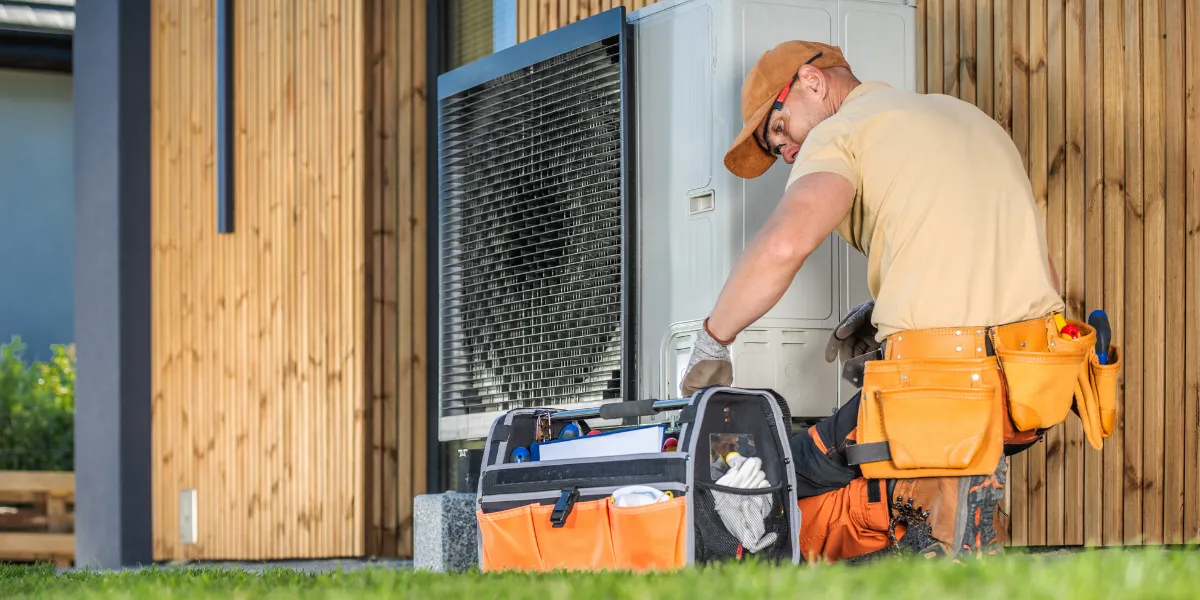
Career Opportunities After Graduating from an HVAC Trade School in Florida
Graduating from an HVAC trade school in Florida can open the door to stable, high-demand career opportunities across residential, commercial, and industrial sectors. In a state where cooling systems operate almost year-round, trained HVAC professionals are essential to keeping homes comfortable, businesses operational, and facilities compliant with safety standards.
At Coastal Technical Institute, students enroll in an HVAC trade school program built around hands-on training and real-world skill development. The goal is simple: prepare graduates for employment in Florida’s growing HVAC industry. If you are considering this path, understanding your potential career options can help you move forward with confidence.
Why Choose an HVAC Trade School in Florida?
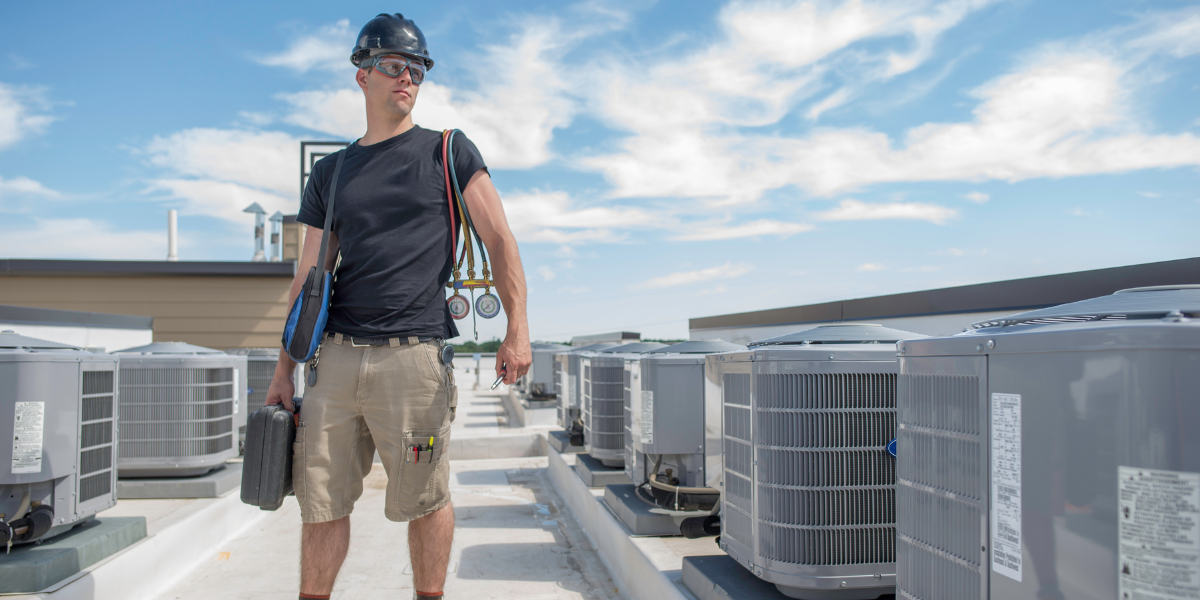
Florida’s climate alone makes HVAC services critical. Unlike other states where work may slow seasonally, Florida technicians remain busy throughout the year. This steady demand contributes to competitive HVAC salary potential and long-term job security.
An HVAC trade school provides focused, practical education that prepares students to enter the workforce quickly. Instead of spending years in general academic courses, students develop job-ready skills directly related to skilled trade careers. For individuals who prefer hands-on work and problem-solving, HVAC offers both stability and growth.
Entry-Level Career Paths After Graduation
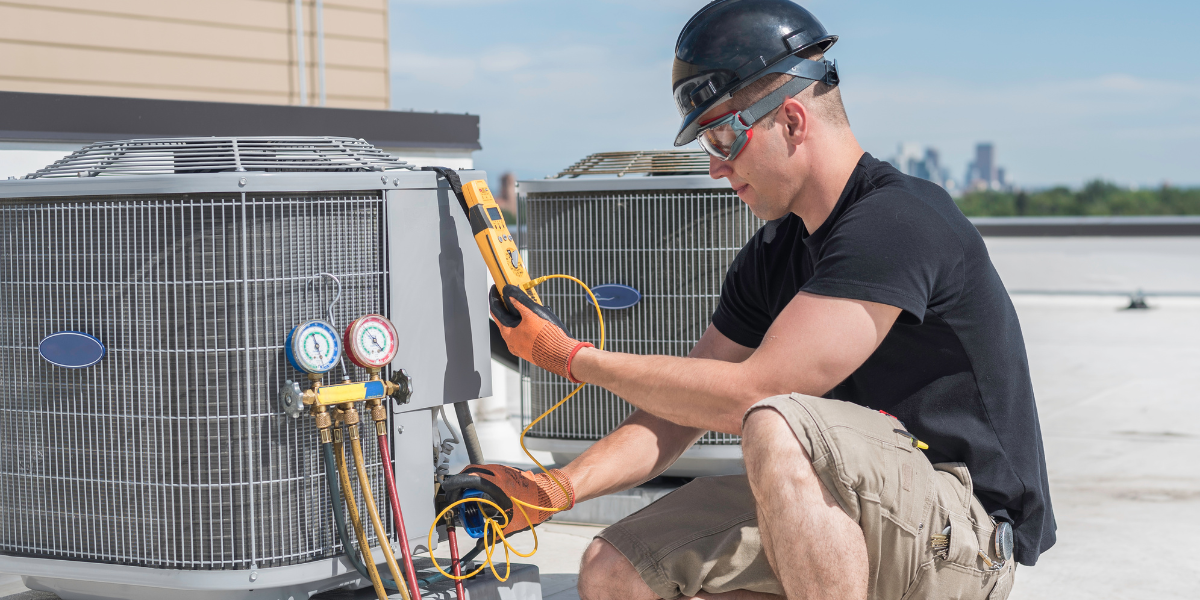
Graduates of an HVAC trade school in Florida can pursue several career paths depending on their interests and strengths.
Residential HVAC Technician
Residential technicians put in, fix, and keep up air conditioning and heating systems in homes. This job requires finding and fixing cooling problems, changing parts, and making sure that systems work well in Florida's tough environment. It is one of the most common entry points into skilled trade careers and offers consistent work opportunities.
Commercial HVAC Careers
Many graduates move into commercial HVAC careers, working on large systems in office buildings, hospitals, schools, and retail centers. These systems are more complicated and often require advanced troubleshooting skills. Because of this specialization, commercial HVAC careers frequently offer stronger long-term HVAC salary growth and advancement opportunities.
HVAC Installer or Helper
Installers assist in setting up new systems and ductwork in construction projects or system replacements. Florida’s expanding residential and commercial development supports steady hiring in this role. It provides valuable field experience and often leads to technician-level advancement.
Maintenance Technician
Maintenance technicians focus on routine inspections and system optimization. In Florida's environment, where systems run all the time, preventative maintenance is quite vital. This allows you to generate stable HVAC salary growth in the field while also improving your diagnostic skills.
Refrigeration Technician
Specializing in commercial refrigeration systems used in restaurants and grocery stores can lead to higher HVAC salary potential. This pathway is often connected to commercial HVAC careers and industrial cooling environments.
Industry Opportunities Across Florida

Graduates of an HVAC trade school are needed in multiple industries throughout the state. Florida’s economy supports employment in residential service companies, commercial contractors, construction firms, hospitals, manufacturing facilities, and educational institutions.
Commercial HVAC careers are especially strong in growing urban areas where businesses rely on efficient climate control systems. Industrial facilities and data centers also require skilled technicians capable of managing large-scale cooling equipment.
Because HVAC systems are essential infrastructure, skilled trade careers in this field remain resilient even during economic shifts.
HVAC Salary Expectations in Florida
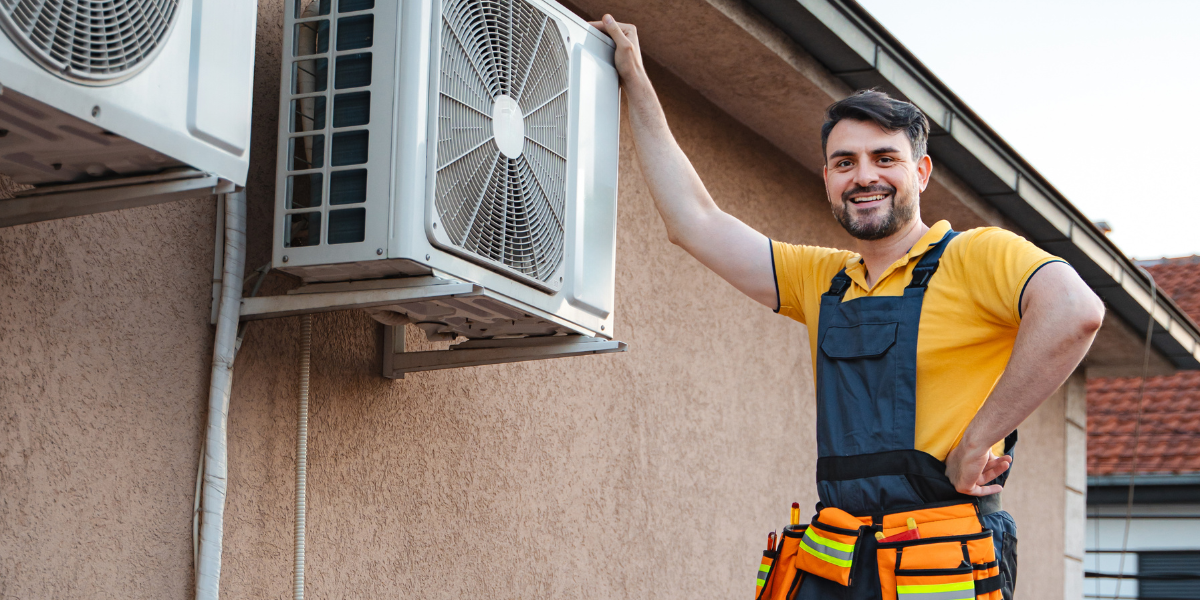
One of the most attractive aspects of completing an HVAC trade school program is earning potential. HVAC salary in Florida varies based on experience, specialization, and certification credentials.
Entry-level technicians often begin around $39,000 annually. As skills and experience increase, HVAC salary can rise to $60,000 or more. Technicians working in advanced commercial HVAC careers or industrial environments may earn over $90,000 per year.
Consistent year-round demand helps stabilize HVAC salary growth, making this one of the more dependable skilled trade careers available.
Skills and Certifications That Strengthen Your Career
A comprehensive HVAC trade school prepares students with both technical expertise and professional readiness.
Students develop hands-on skills in:
Electrical diagnostics
Mechanical system repair
Airflow testing
Refrigerant handling
Equipment installation
Graduates are typically prepared to pursue EPA certification, which is required to handle refrigerants legally. Many also seek NATE certification to improve employment opportunities and HVAC salary potential.
At Coastal Technical Institute, training focuses on aligning classroom instruction with industry standards so students are ready to enter skilled trade careers immediately after graduation.
Career Advancement Opportunities
Completing an HVAC trade school program is the foundation for long-term growth. With experience, professionals may advance into senior technician roles, specialize in building automation systems, or transition into project management.
Commercial HVAC careers often provide clear pathways to higher earnings and leadership roles. Some professionals eventually start their own HVAC service businesses, creating even greater financial opportunity.
Florida’s continuous growth ensures that skilled trade careers like HVAC remain essential for years to come.
Conclusion
Graduating from an HVAC trade school in Florida provides access to immediate employment opportunities, strong HVAC salary potential, and advancement within one of the most reliable skilled trade careers available. Whether entering residential service work or pursuing commercial HVAC careers, trained professionals are essential to maintaining Florida’s homes and businesses.
With consistent demand driven by climate and development, HVAC remains a dependable career choice. If you’re ready to build a future in this growing industry, Coastal Technical Institute offers the hands-on training needed to help you succeed.
Contact us today to learn more about our HVAC trade school program and take the first step toward a rewarding career in Florida’s thriving skilled trades industry.
FAQ
Are HVAC techs in demand in Florida?
Yes. HVAC technicians are consistently in demand throughout Florida due to the state’s warm climate and ongoing construction growth. Residential homes, retail buildings, and industrial facilities all rely heavily on cooling systems year-round, creating steady employment opportunities for graduates of an HVAC trade school.
What HVAC career makes the most money?
Advanced commercial HVAC careers, refrigeration specialists, and technicians working with industrial chillers often earn the highest HVAC salary levels. Senior technicians with certifications and years of experience can earn significantly more than entry-level professionals.
Is HVAC a good career in the USA?
HVAC is widely recognized as one of the most stable skilled trade careers in the United States. It offers strong job security, competitive HVAC salary potential, and opportunities for advancement without requiring a traditional four-year degree.
Is HVAC a stressful job?
Like any technical profession, HVAC can involve pressure during emergency repairs or peak service seasons. However, proper training from an HVAC trade school helps technicians develop the skills and confidence needed to handle challenges efficiently.
What is the hardest trade to learn?
The difficulty of a trade depends on the individual’s interests and strengths. HVAC combines electrical, mechanical, and diagnostic skills, making it technically demanding but highly rewarding. With structured training from a reputable HVAC trade school, students gain the knowledge and hands-on experience needed to succeed.


Innovation
Fresh, creative learning environment.

Integrity
Honesty and transparency.

Excellence
Top-notch Instructors.

FOLLOW US


COASTAL TECHNICAL INSTITUTE
STUDENT CARE
PROGRAMS
Trades
Licensed and Approved by:
Coastal Technical Institute (Formerly Brevard Nursing Academy) is licensed by the Commission for Independent Education (CIE), License number 5973, and approved by the Florida Board of Nursing (BON). Additional information regarding this institution may be obtained by contacting the Commission at 325 West Gaines Street, Suite 1414, Tallahassee, FL 32399-0400,
Toll-free telephone number (888) 224-6684.
Copyright 2026. Coastal Technical Institute. All Rights Reserved.