Blog
Invest in your future—with flexible options.
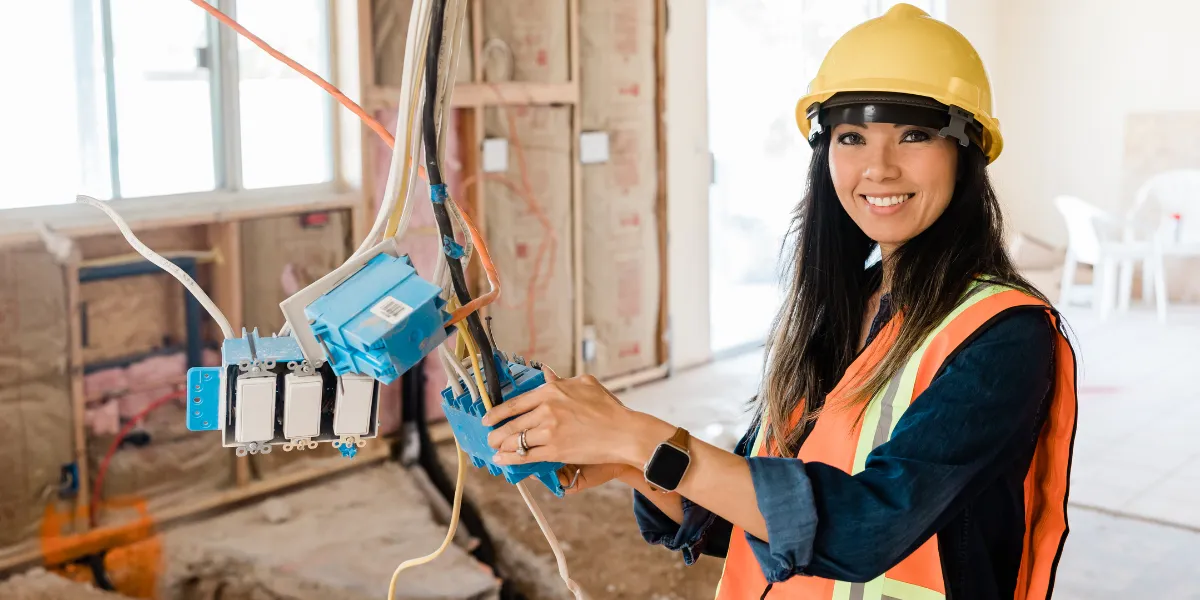
What to Expect from an Electrical Trade School Program
Choosing a new career path often comes with a mix of curiosity and hesitation. If you’ve been thinking about enrolling in an electrical trade school, you’re probably wondering what the experience will actually feel like day to day. The truth is, these programs are built to teach you step by step, helping you develop real skills that translate directly into the workplace.
Whether you’re exploring a trade school for the first time or considering options like an electrical technician course, it helps to know what lies ahead. From your first lesson to your final project, the journey is designed to feel practical, engaging, and purposeful.
Understanding the Structure of an Electrical Trade School Program
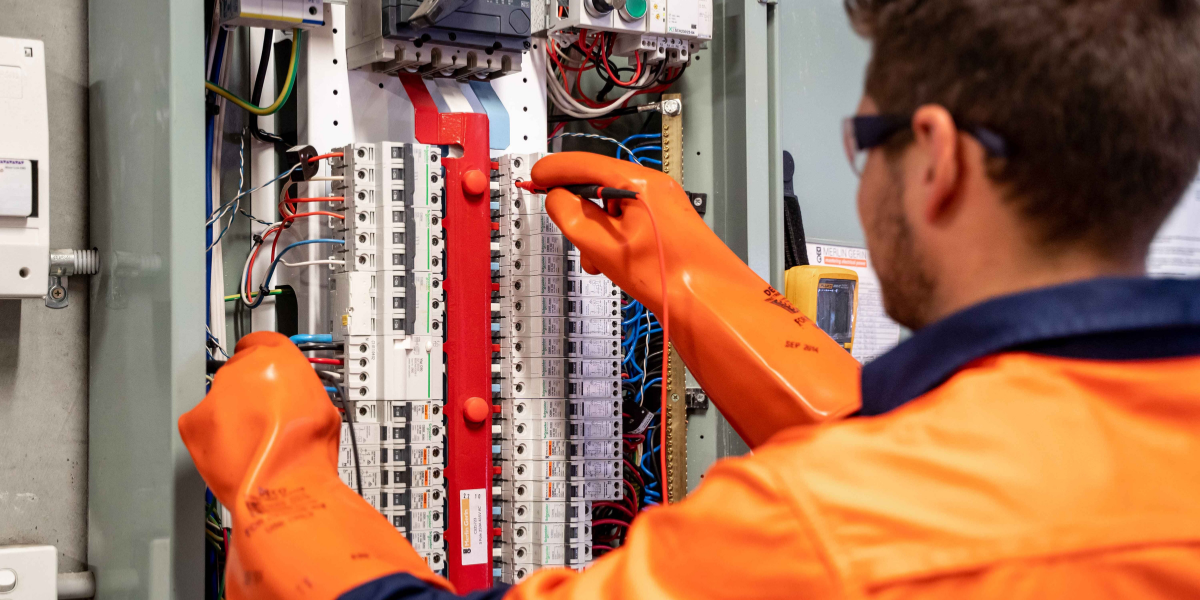
An electrical trade school program follows a clear structure that blends classroom instruction with hands-on learning. This method enables students to make the connection between theory and practical applications from the outset.
At places like Coastal Technical Institute, the program is organized in a way that keeps you involved while steadily building your confidence.
Program Duration and Schedule
Most students complete an electrical trade school program within a year, though timelines can vary slightly depending on how the program is set up.
Full-time programs often run between 6 and 12 months
Day and evening classes are commonly available
Some trade school options support flexible scheduling
This structure helps students stay consistent while moving toward their career goals at a comfortable pace.
Learning Formats
Today’s trade school experience focuses on hands-on, practical learning designed to match different learning styles.
Students benefit from structured classroom instruction combined with intensive in-person training sessions. This approach allows you to understand core concepts and immediately apply them during practical lab work. By learning directly under expert guidance, you gain real-world skills, build confidence, and develop the experience needed for your career.
Core Subjects Covered in an Electrical Technician Course

Every electrical technician course is built around key subjects that prepare you for real-world work. These topics are introduced gradually, so you can build your understanding without feeling overwhelmed.
Electrical Theory Fundamentals
You’ll begin with foundational concepts that support everything else you learn in an electrical trade school.
Basics of DC and AC systems
Understanding how electrical circuits function
Learning about voltage, current, and resistance
These ideas may seem technical at first, but they become easier as you start applying them in practice.
Safety and Electrical Codes
Safety training plays a central role in any electrical trade school program. You’ll learn how to approach tasks with care and responsibility.
Introduction to the National Electrical Code guidelines
Proper handling of tools and protective gear
Recognizing and avoiding workplace hazards
This part of the electrical technician course builds habits that stay with you throughout your career.
Practical Skills Training
Hands-on learning is where your knowledge starts coming together. This is often the most engaging part of a trade school experience.
You’ll spend time working on real setups, practicing installations, and understanding how different components fit together. Tasks like wiring, lighting installation, and troubleshooting become second nature as you repeat them in a guided environment.
Hands-On Experience in an Electrical Trade School
One of the strongest aspects of an electrical trade school is the emphasis on practical training. Instead of only reading about concepts, you actively work with them.
Lab-Based Learning
The purpose of lab sessions is to replicate real-world work settings. You will be using equipment, supplies, and systems that are similar to what electricians deal with on a regular basis.
Practice wiring in simulated residential setups
Work under instructor supervision
Repeat tasks until you feel confident
This hands-on exposure helps build both skill and confidence over time.
Real-World Practice
As you move forward in your electrical technician course, you’ll begin tackling more realistic scenarios. These exercises help you think like a professional.
You might be asked to diagnose a problem, read a layout, or complete a task within a set time. These experiences prepare you for what you’ll encounter after completing trade school.
Technical Skills You’ll Build Over Time
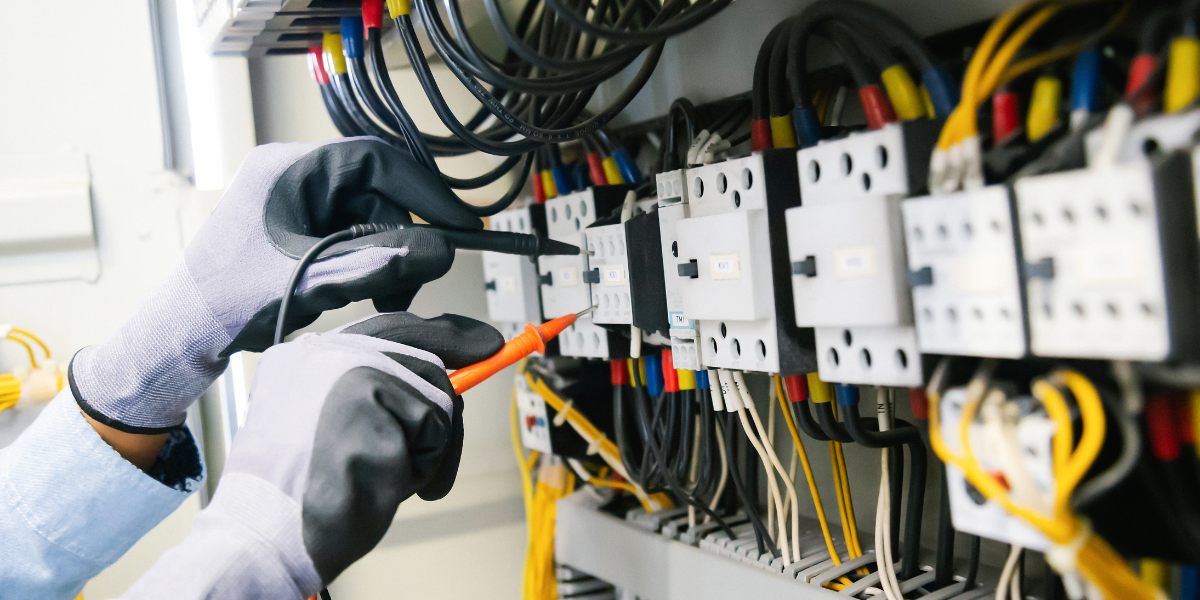
An electrical trade school program goes beyond physical work. It also sharpens your ability to think critically and solve problems.
Blueprint Reading and Planning
Understanding diagrams is a key part of working in the electrical field. During your electrical technician course, you’ll learn how to read and interpret blueprints.
This skill helps you visualize projects before starting them, which makes your work more accurate and efficient.
Load Calculations and System Understanding
You’ll also learn how electrical systems are planned and balanced. This includes calculating loads and understanding how different components interact.
These concepts are important when working on larger systems, especially in commercial environments.
Using Diagnostic Tools
Modern electricians rely on tools to identify and fix issues. During your time in an electrical trade school, you’ll get familiar with these tools.
Multimeters for measuring voltage and current
Circuit testers for quick checks
Tools used for troubleshooting faults
By the end of your training, using these tools will feel natural.
A Typical Day in Trade School
Daily life in a trade school is structured yet dynamic. You won’t be stuck doing the same thing all day, which keeps the experience engaging.
Classroom Learning
Part of your day will involve learning concepts in a classroom setting. Instructors guide you through lessons, explain key ideas, and answer questions.
Practical Training
The rest of your day often shifts into hands-on work. This is where you apply what you’ve learned and develop your skills through repetition and practice.
Working individually or with classmates, you’ll complete tasks that mirror real job situations. Over time, you’ll notice your confidence growing with each project.
Physical and Mental Effort in an Electrical Trade School
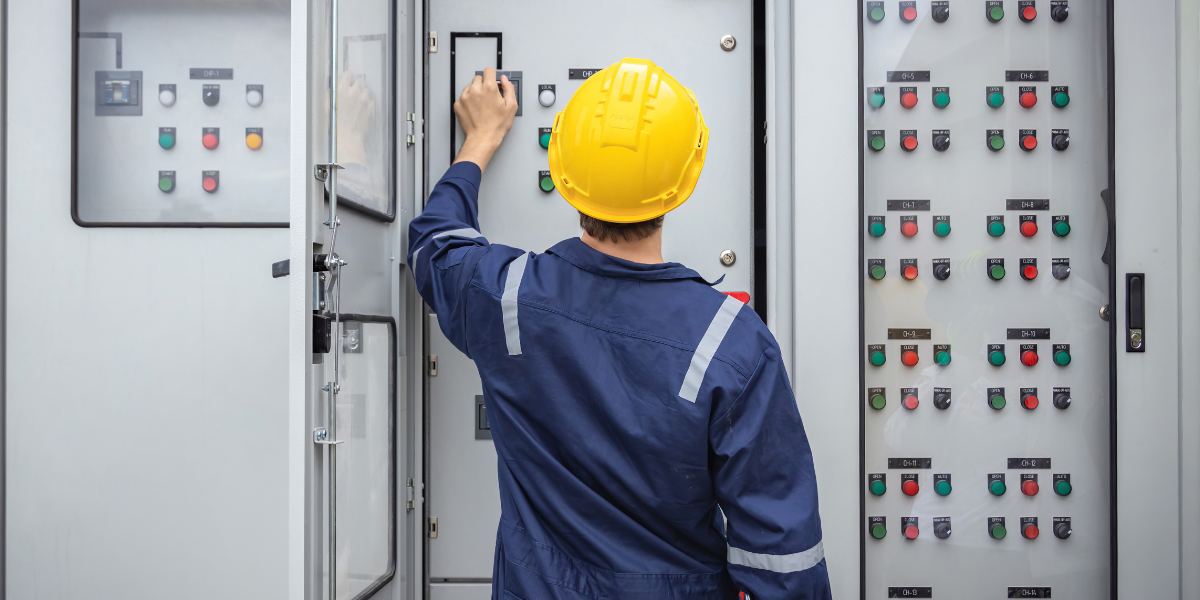
Training in an electrical trade school prepares you for a career that involves both physical activity and focused thinking.
Physical Activity
You’ll gradually get used to the physical side of the work. Tasks often involve standing, moving equipment, and working in different positions.
This part of trade school helps you build the stamina needed for the job.
Problem-Solving Skills
Electrical work often requires careful thinking. You’ll learn how to approach challenges step by step and find effective solutions.
As you progress through your electrical technician course, your ability to analyze and fix issues will continue to improve.
Career Preparation After Completing Trade School
A strong electrical trade school program focuses on helping you move from training into employment smoothly.
Entry-Level Opportunities
After finishing your training, you can explore several starting roles in the field.
Electrical helper
Apprentice electrician
Maintenance support technician
These roles allow you to gain experience while continuing to grow your skills.
Long-Term Career Growth
Your journey does not stop after completing trade school. With time and experience, you can advance into higher-level roles.
Training from Coastal Technical Institute gives you a solid foundation to build on, whether you choose residential, commercial, or industrial work.
The Role of Electrical Courses
Electrical courses have become a helpful addition to many electrical trade school programs. They offer flexibility while supporting your learning.
Flexible Learning Support
With electrical courses, you can review your growth anytime. This is especially useful for understanding theory-based topics that may need extra attention.
You can revisit concepts, pause lessons, and learn at a pace that feels comfortable.
Practical Training
You study the theory and then apply it during hands-on sessions. This process helps reinforce what you learn and keeps the process engaging.
Why Choose an Electrical Trade School in Florida?
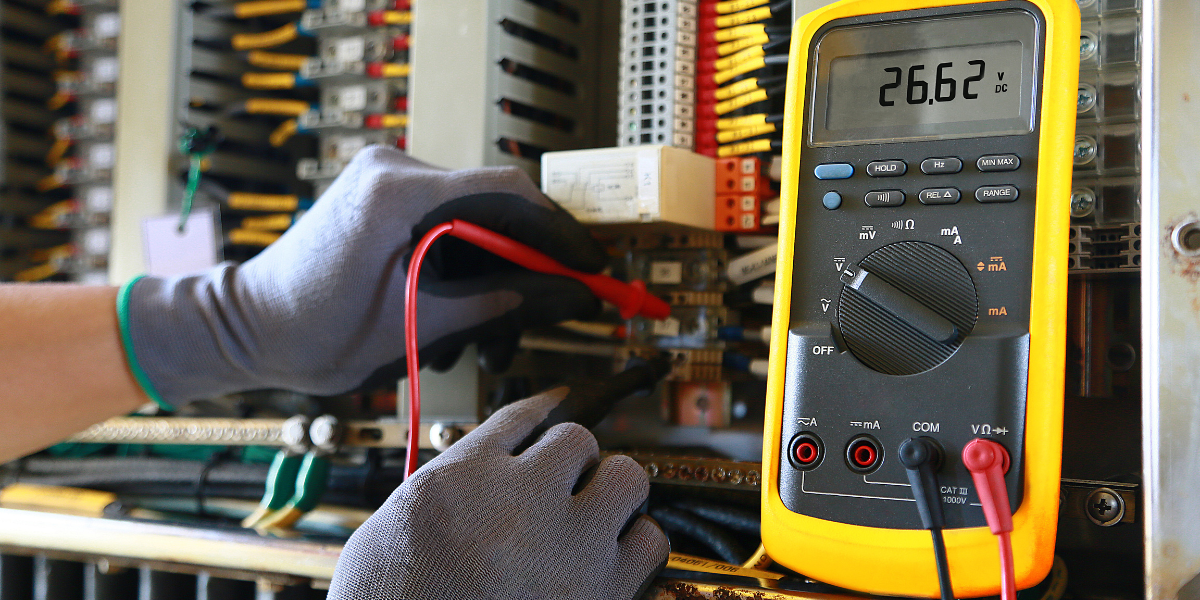
Florida continues to offer strong opportunities for individuals entering the electrical field. Attending an electrical trade school here can open doors to steady work and career growth.
Growing Demand
The state's need for qualified electricians keeps growing. Construction projects, maintenance work, and system upgrades all contribute to this demand.
Completing an electrical technician course can position you to take advantage of these opportunities.
Career Stability
A trade school path offers a clear route into a reliable career. With the right training, you can build a future that feels both secure and rewarding.
Coastal Technical Institute supports students throughout this journey, helping them gain the skills required to succeed in an electrical trade school environment.
Conclusion
Enrolling in an electrical trade school gives you the chance to build real skills in a structured and supportive environment. From learning the basics in an electrical technician course to gaining hands-on experience, each step prepares you for work in the field. With the added flexibility of electrical courses, you can shape your learning experience in a way that fits your routine.
If you’re ready to take the next step, Coastal Technical Institute is here to guide you. Contact us today to learn how our electrical trade school programs can help you move toward a skilled and rewarding career.
FAQ
How long does an electrician trade school take in Florida?
Most electrical trade school programs can be completed in about 6 to 12 months, depending on the schedule and format.
Is it worth becoming an electrician in Florida?
Yes, many people find it a practical career choice due to steady demand and opportunities for growth.
How much do electrician apprenticeships pay in Florida?
Apprentices typically start with an entry-level wage, which increases as they gain experience and complete more training.
Is trade school good in Florida?
Trade school offers focused, career-oriented education that helps students enter the workforce relatively quickly with practical skills.


Innovation
Fresh, creative learning environment.

Integrity
Honesty and transparency.

Excellence
Top-notch Instructors.

FOLLOW US


COASTAL TECHNICAL INSTITUTE
STUDENT CARE
PROGRAMS
Trades
Licensed and Approved by:
Coastal Technical Institute (Formerly Brevard Nursing Academy) is licensed by the Commission for Independent Education (CIE), License number 5973, and approved by the Florida Board of Nursing (BON). Additional information regarding this institution may be obtained by contacting the Commission at 325 West Gaines Street, Suite 1414, Tallahassee, FL 32399-0400,
Toll-free telephone number (888) 224-6684.
Copyright 2026. Coastal Technical Institute. All Rights Reserved.