
Blog
Invest in your future—with flexible options.
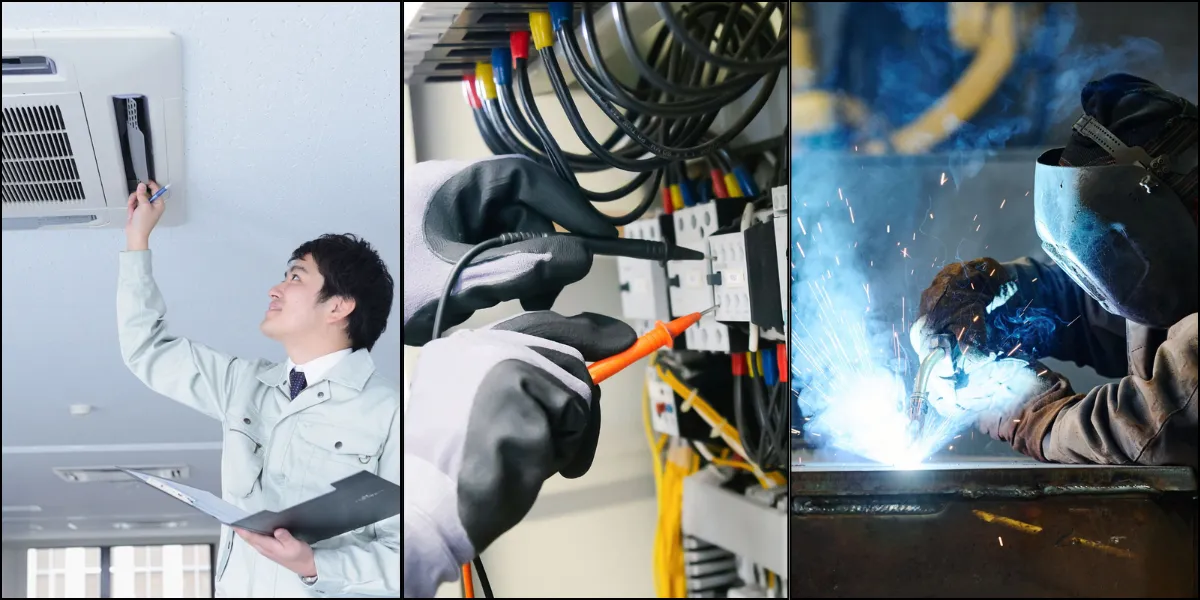
How much does Trade School cost in Florida?
If you’re looking at trade school in Florida, you’re probably asking a very practical question first: What is this really going to cost me? That’s a smart place to start. Tuition can look different from school to school, and even within the same campus, prices can shift depending on the program, schedule, and what’s included.
In this blog, we’ll break down real cost ranges you can expect across Florida, including common extra fees that surprise students. We’ll also cover how to compare programs the right way and what to ask before you enroll. If you’re exploring an HVAC trade school, electrical trade school, or welding trade school, you’ll find plenty of specifics here.
Typical Trade School Tuition Costs in Florida
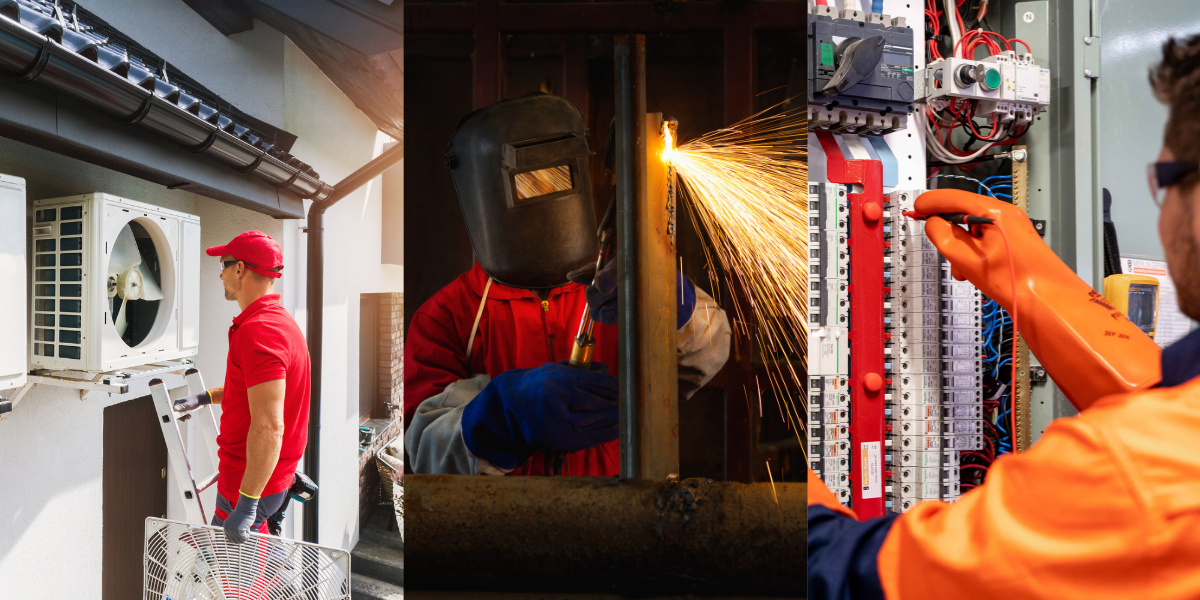
Trade school in Florida regularly costs between $3000 and $15000 annually, according to the course and type of institution. A great deal of career training programs cost approximately $16,000 as a total of the entire program, but this number may fluctuate depending on the length and equipment requirements.
You might also see some technical colleges with a net price as low as about $588 in certain cases. On the other hand, specialized programs such as automotive technology can reach $25,000.
Why is the price range so wide
When people talk about trade school cost, they’re often comparing very different things. A short program with fewer lab hours will naturally cost less than a longer track with heavy hands-on training and equipment.
Here are common factors that push tuition up or down:
Program length (weeks vs. months)
Hands-on lab hours and shop time
Equipment, materials, and consumables used in training
Credentials earned (certificate, diploma, licensing prep)
Public vs. private training options
Yearly tuition vs. total program cost
Some schools list tuition by year; others list the full cost from start to finish. When you’re comparing trade school in Florida, always convert it into a “total cost to completion” number so you’re comparing apples to apples.
Average Costs by Program in Florida
Your program choice is the biggest driver of cost. Some paths require extensive tools, lab work, and materials, while others rely more on classroom training and lower-cost supplies.
Welding program cost range

A typical welding trade school program in Florida can cost around $5,000 to $15,000. The range depends on how long the program is and how much hands-on training you get.
Because welding uses consumables and shop equipment, costs may include protective gear, materials, and lab fees. When you’re pricing a welding trade school, ask what’s included and what you’ll need to buy separately.
HVAC program cost range
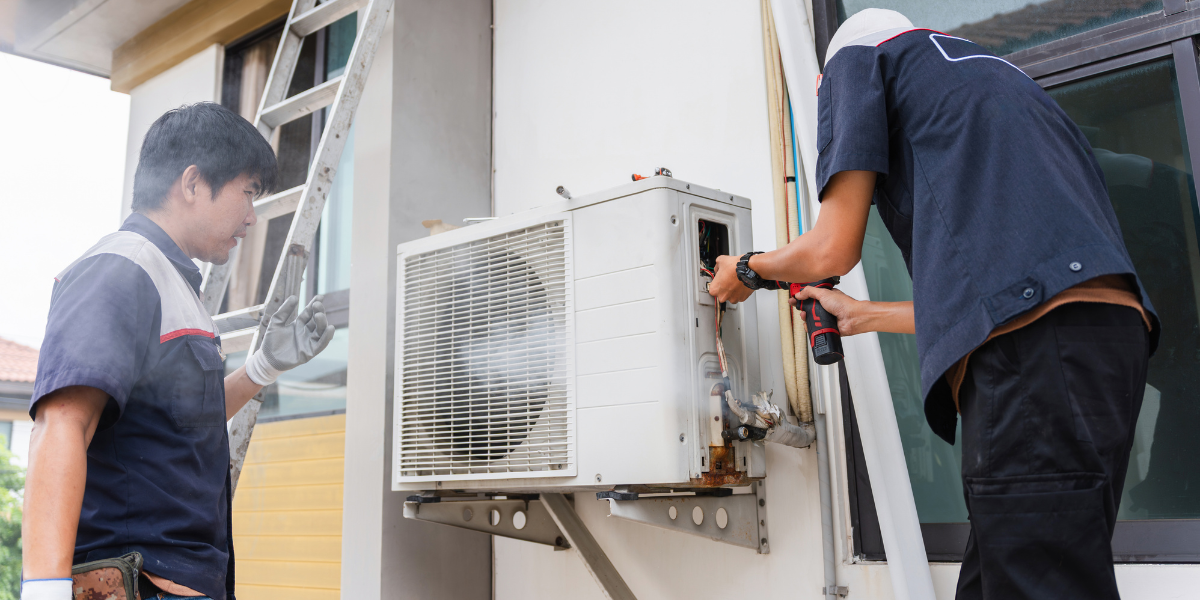
An HVAC trade school program commonly costs around $3,000 to $15,000. Some students choose shorter training options, while others go for longer programs that cover a broader set of skills.
If the program includes prep for certifications such as EPA topics, that may affect the total. What you are investigating in an HVAC trade school are the results, lab time, and certification and job placement assistance.
Electrical program cost range
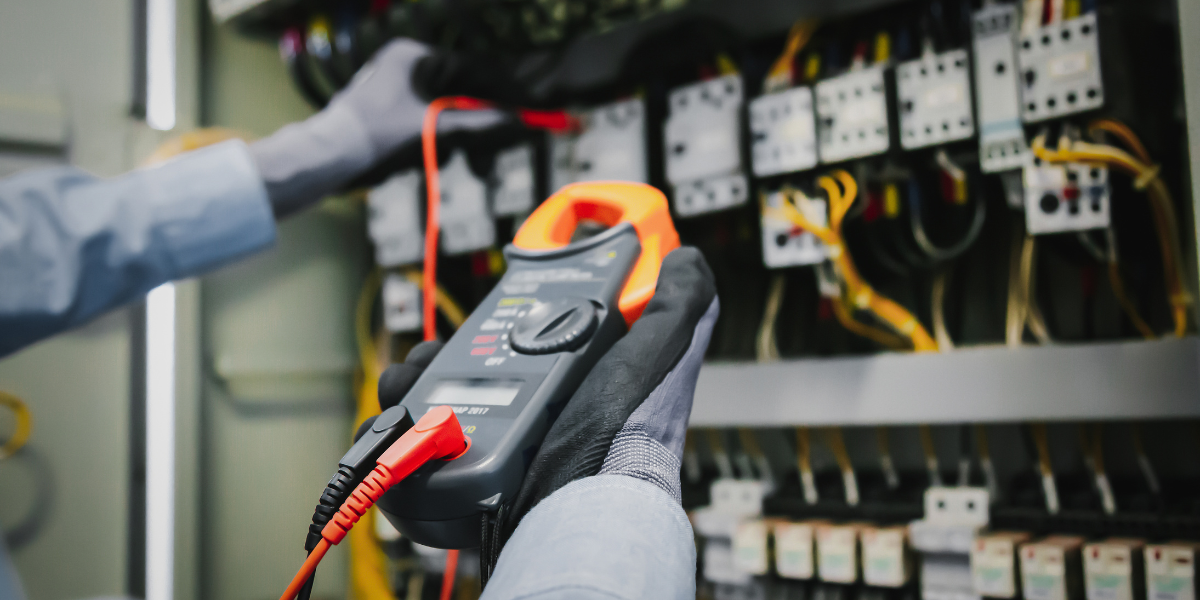
An electrical trade school program often costs around $10,000 to $20,000. Electrical training can require longer instruction time and a structured lab setup, which can raise costs.
When questioning an electrical trade school, inquiring about the manner in which the school instructs on safety, code basics, and practice is important. Such information is important in terms of skill-building and value.
Extra Costs Beyond Tuition (That Students Often Miss)
Tuition is the headline number, but it rarely tells the full story. The smart move is to plan for the additional expenses that come with trade school in Florida so you don’t get caught off guard halfway through.
Common fees you should budget for
These costs can vary, but they show up frequently across programs:
Registration fees: $50 to $200
Lab or technology fees: $100 to $1,000
Tools and safety gear (PPE): $500 to $2,000
Tools, gear, and supplies by program
Certain programs have certain requirements, and the list appears to be overwhelming at the beginning. The positive aspect is that you can usually assemble your kit as you go, and at least a part of it is sometimes included in your school fees or tuition.
Here’s a simple way to think about it:
HVAC trade school: gauges, basic hand tools, safety glasses, gloves
Electrical trade school: hand tools, testers, PPE, and code books, in some cases
Welding trade school: helmet, gloves, jacket, boots, safety gear
Before you enroll in any trade school, ask for a written breakdown of required tools and when you’ll need them.
Public vs. Private Trade School Options in Florida
Florida offers a mix of public technical colleges and private career schools. Depending on your schedule and objectives, both can be a good option.
How public technical colleges can affect net price
Public institutions can sometimes come out cheaper, especially after grants or state support. Some Florida technical colleges are known for very low net prices, and in certain cases, students may see net prices in the hundreds.
That said, availability, program start dates, and scheduling can vary.
Private career schools and higher sticker prices
Private options may have a higher posted tuition, but they sometimes provide flexible scheduling, frequent start dates, and structured support services. For a lot of students, that flexibility is the difference between waiting months and starting now.
If you’re considering Coastal Technical Institute, compare the program length, schedule options, lab time, and what support you get during training. Cost matters, but value and speed to employment matter too.
How to Compare Trade Schools Without Getting Misled by Price
It’s tempting to choose the lowest tuition and call it a win. But trade school costs should be weighed against what you get in return: training quality, hands-on time, support, and job readiness.
Questions to ask before you enroll
Bring these questions to every tour or call:
What is the total program cost from start to finish?
What fees are separate from tuition?
What tools or gear do I need, and what does the school provide?
How many lab hours do students get each week?
What credentials or certifications does the program prepare me for?
What kind of career support is included?
What “value” looks like in an HVAC, electrical, or welding program
A strong program usually includes a clear training structure, real hands-on learning, and support that helps you transition into the workforce.
A quick checklist that helps when comparing any trade school:
Hands-on labs built into the schedule
Instructors with real field experience
Equipment that matches what employers use
Resume and interview preparation
Help connecting to entry-level opportunities
At Coastal Technical Institute, students often look for that combination of skill training and practical career support, especially when choosing between an HVAC trade school, an electrical trade school, or a welding trade school.
What You Can Earn After Trade School in Florida
This is the question behind the cost conversation. Tuition matters, but you’re investing in skills that can lead to a steady income.
What job pays the most from a trade school?
The trade, experience, location, and credentials all affect pay. In general, skilled trades can offer strong earning potential, especially as you gain experience and add credentials.
If you want the highest upside, look for trades where you can move from entry-level roles into specialized work, leadership, or even self-employment over time.
How fast can you start working
One reason many students choose a trade school in Florida is speed. Instead of spending years on a traditional path, trade programs can get you trained and job-ready faster.
Program length varies widely, so when you’re comparing an HVAC trade school, electrical trade school, or welding trade school, ask how long it typically takes students to complete training and start applying.
Is Trade School a Good Choice in Florida?
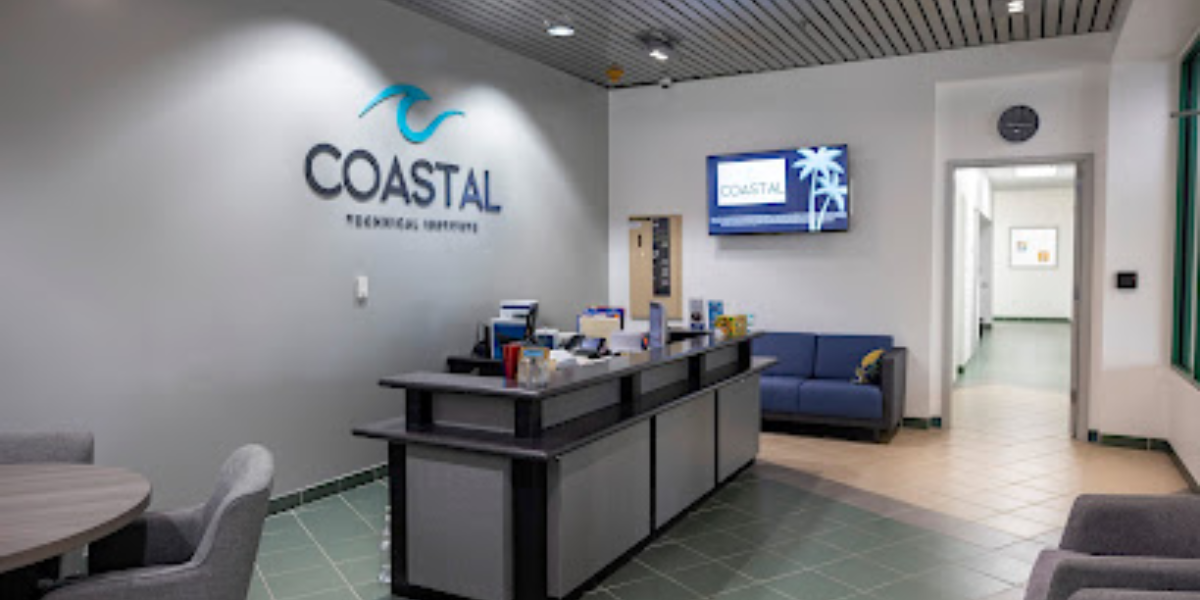
For many students, yes. Florida has strong demand across healthcare and skilled trades, and the state has a wide range of training options. If you like hands-on work and want a direct path into a career, trade school can be a strong fit.
Signs that trade school may be right for you
You may enjoy trade training if you want:
Practical skills you can use right away
Hands-on learning instead of all lectures
A focused program tied to a specific job path
A quicker route into the workforce
Picking the right program for your personality
If you’re deciding between tracks, consider what kind of work you want to do daily.
HVAC trade school can be a great fit if you like troubleshooting and working with systems.
Electrical trade school may suit you if you enjoy precision, safety-focused work, and structured problem-solving.
Welding trade school often appeal to people who like building, fabrication, and hands-on skill mastery.
Conclusion
Trade school costs in Florida can feel like a big decision, but it becomes much clearer once you break it into tuition, extra fees, tools, and your financial aid options. Whether you’re leaning toward an HVAC trade school, electrical trade school, or welding trade school, the right program is the one that fits your schedule, your learning style, and your career plan.
If you want help comparing programs or getting a clear breakdown of what to expect, reach out to Coastal Technical Institute. Contact us to talk through your goals, program options, and the next available start dates.
Frequently Asked Questions (FAQ)
Below are quick answers to the most common questions students ask when exploring trade school in Florida.
How much does it cost to go to trade school in Florida?
Tuition often ranges from $3,000 to $15,000 per year, and many programs average around $16,000 total. Some schools can be far lower depending on net price and aid, while specialized programs can reach $25,000.
Is trade school good in Florida?
Trade school can be a strong option in Florida, especially if you want hands-on training and a direct route into the workforce. The best choice depends on the program quality, training time, and support offered.
What job pays the most from a trade school?
The trade, experience and certifications differ in terms of income. Numerous trades professions possess a considerable amount of development potential being added and shifted to specialty work or management.
Is 25 too old to start trade school training?
No. Many students begin trade school in their mid-20s, 30s, or later. Starting at 25 can actually be an advantage because you’re choosing with clearer goals and stronger motivation.


Innovation
Fresh, creative learning environment.

Integrity
Honesty and transparency.

Excellence
Top-notch Instructors.

FOLLOW US


COASTAL TECHNICAL INSTITUTE
STUDENT CARE
PROGRAMS
Trades
Licensed and Approved by:
Coastal Technical Institute (Formerly Brevard Nursing Academy) is licensed by the Commission for Independent Education (CIE), License number 5973, and approved by the Florida Board of Nursing (BON). Additional information regarding this institution may be obtained by contacting the Commission at 325 West Gaines Street, Suite 1414, Tallahassee, FL 32399-0400,
Toll-free telephone number (888) 224-6684.
Copyright 2026. Coastal Technical Institute. All Rights Reserved.