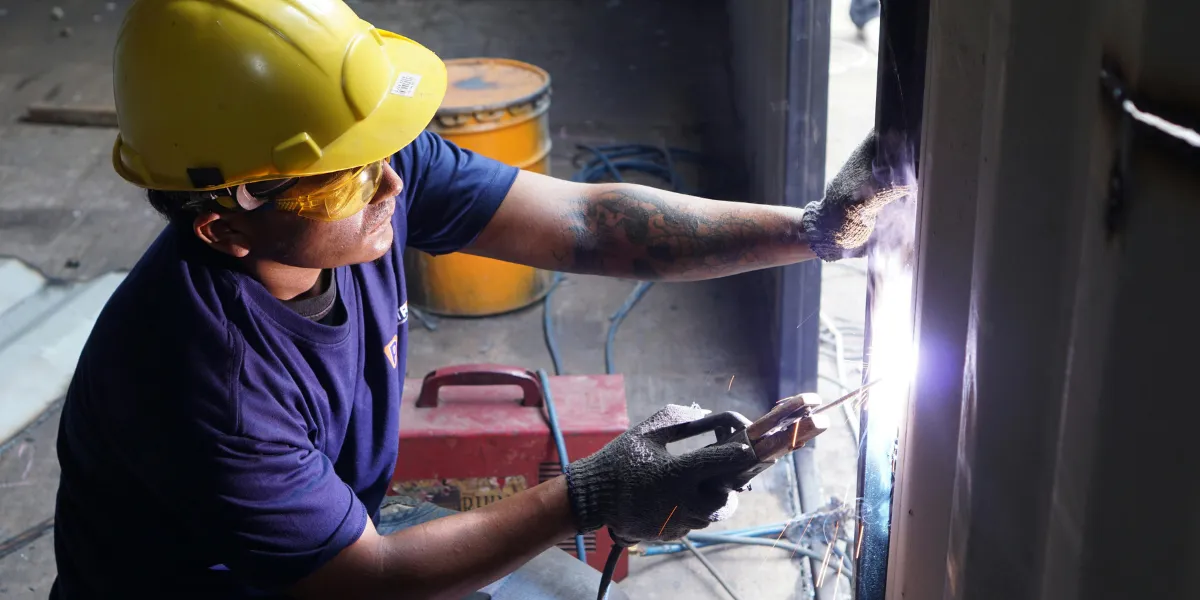
Welding Careers Without a Four-Year Degree: Training, Skills, and Job Options
A four-year college diploma is not required for a secure, lucrative job. In today's world, there are more jobs available in a skilled trade than many jobs that require a traditional college degree; they're higher-paying, and they offer more job security. Welding careers sit at the top of that list.
Today, the typical college graduate has student loans, and many will take more than 10 years to pay them back. At the same time, fast track welding certification programs can put you to work in as little as 42 weeks, without any lecture halls and no six-figure debts to be shouldered.
Welding is a skillful profession. This role requires accuracy, hard work, and knowledge of several processes and materials. There is a high demand for qualified welders among employers in the construction, aerospace, defense, and manufacturing sectors, and the pool of qualified workers is not meeting the demand.
The thesis is simple: earning a welding credential offers a fast track to job security, competitive pay, and real career advancement, without spending four years and a small fortune on a degree that may not even align with the job market.
Why Choose a Welding Career Over a Four-Year Degree?
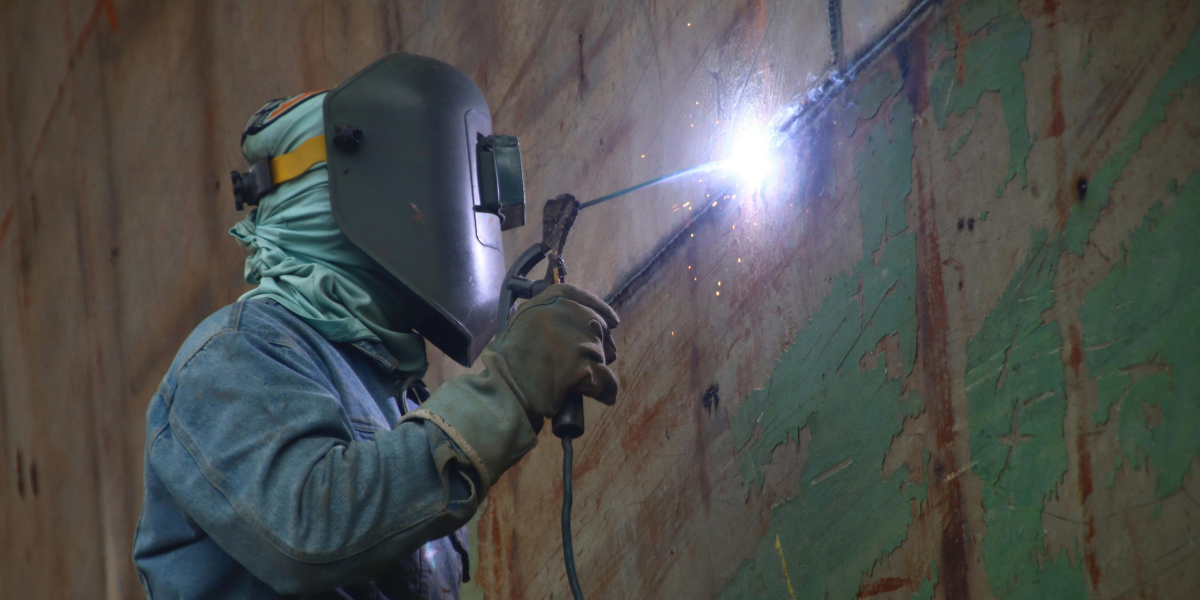
Zero College Debt Burden
Undergraduate tuition costs have increased by over 180% in the past two decades. In contrast, welding technology training programs cost a fraction of that, often totaling under a few dollars for a full diploma. You train, then go to work, and begin to pay the bills without all those years of digging out of debt. That financial head start compounds significantly over the course of a career.
Rapid Entry to the Workforce
Fast track welding certification programs can be finished in less than a year to meet a need, while a traditional degree program may require four years (or more). That will result in less on-the-job training, lower tuition costs, and more hands-on experience and seniority. For many, this means earning an extra two or three years of salary over a four-year college peer who also took their first job at the same time.
The Critical Labor Shortage
The average age of a welding operator is 57, according to the American Welding Society (AWS). The industry is set to experience a significant shortage of qualified replacements as the baby boomer generation continues to retire. By 2027, AWS expects to see more than 330,000 new welding pros in the U.S. mark the market.
That shortage is your opportunity: it means that there's a demand, there's competition, and there's leverage in negotiation. That's a good time to buy on the strength of the demand. That's why welding careers are a stable career choice compared to many white-collar jobs at the moment.
Recession-Resistant Security
Welding careers are embedded in industries that never stop operating. Infrastructure repair, energy production, shipbuilding, aerospace, and manufacturing all depend continuously on skilled welders. When other sectors contract, these industries keep hiring. That's not luck; it's the structural importance of the trade itself.
Core Welding Techniques and Skills Top Employers Look For
Welders have to be proficient in various welding processes to be able to fill in specialized positions that pay well. Here's what the industry actually demands and what strong welding technology training programs will teach you:
SMAW (Shielded Metal Arc Welding / "Stick")

The foundational welding process. Structural construction and outdoor fabrication make up the majority of uses for SMAW because it operates in any position, is suitable for thicker materials, and is unaffected by wind or weather conditions, which might affect other techniques. Stick welding is a fundamental skill for many structural and heavy industrial jobs.
GMAW (Gas Metal Arc Welding / "MIG")
MIG welding is the “workhorse” of manufacturing and production. It is quick, efficient, and clean, which makes it the preferred process in automotive fabrication, in general manufacturing, and in metal fabrication shops. Employers specifically desire GMAW skills in high-volume production environments.
GTAW (Gas Tungsten Arc Welding / "TIG")
TIG welding is a precision process. It is applied to thin materials, stainless steel, aluminum, titanium, and exotic alloys, which are used in the aerospace and specialty industries. The TIG welding method pays more than most other welding processes, as it is more complex and demanding to execute. When it comes to aerospace and high-precision industrial applications, there's no alternative to TIG.
FCAW (Flux-Cored Arc Welding)
Flux-cored welding is designed for heavy industrial use, such as offshore platform construction, shipyards, heavy equipment manufacturing, and large construction projects. It offers higher deposition rates than stick welding and performs well outdoors, making it essential knowledge for anyone targeting marine, shipyard, or infrastructure welding careers.
Structural & Pipe Proficiency
Beyond process knowledge, position qualifications matter. Welding certifications and job eligibility often hinge on your ability to perform specific position welds: 2G (horizontal), 5G (fixed horizontal pipe), and 6G (fixed inclined pipe), which is key to obtaining credentials and job qualifications. The 6G pipe certification is especially significant, as it tests several positions at once and certifies welders for the highest-paying pipeline and refinery jobs.
Thorough AWS certification prep ensures you walk into those qualification tests fully ready.
High-Paying Job Options in Welding
Welding careers offer genuine industry diversity. The same core skills transfer across sectors with very different compensation levels, work environments, and responsibilities.
Bridges, stadiums, and commercial buildings are just a few of the structures where structural welders are always in demand as the country invests more in infrastructure. One of the highest-paid employees in the pipe trade is the welder with a 5G and 6G position certification from their AWS certification prep, who typically works on refineries and power plants on long-term contracts.
Regardless of the path, welding careers built on multiple certifications and demonstrated process proficiency consistently outperform general labor and even many white-collar entry-level positions in take-home pay.
How to Start Your Journey: The Coastal Technical Institute Advantage
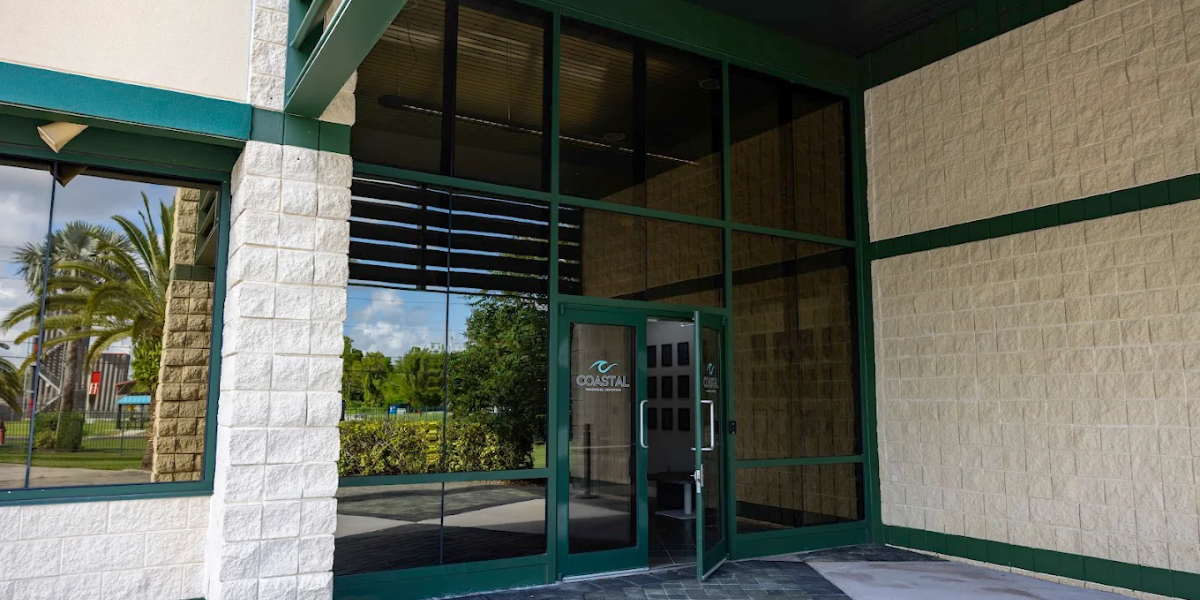
For anyone in Brevard County, Florida, or the surrounding area searching for welding certificate programs near me, Coastal Technical Institute (CTI) offers a direct, structured route into the industry without relocating or commuting to a distant city.
➤ Fast-Track Program
Our fast track welding certification diploma is completed in just 42 weeks (700 clock hours). That's one year from enrollment to credential, versus four years at a traditional university. This program is for working adults and career changers looking for a “shortcut” to welding careers without taking unnecessary courses in unrelated subjects.
➤ Affordable Tuition
The cost of our program remains much lower than most university programs, so many graduates will not be tied up in a multi-year loan. When you're searching for welding certificate programs near me, cost matters, and our tuition structure is built specifically to make quality welding technology training accessible without financial strain.
➤ Comprehensive Hands-On Curriculum
The program includes all aspects of the processes top employers demand, such as fillet and groove welding, SMAW, MIG, TIG, structural fabrication, and pipe welding in 2G, 5G, and 6G positions. All welding technology training is done according to AWS standards, which means that the practices and techniques they learn are what certifying bodies and employers test and demand.
The curriculum is designed to closely align with AWS certification prep as well, so every hour in lab time is applied to your professional credentials.
➤ Certification Readiness
CTI's program is built around AWS certification prep from the very beginning. Employers use the credentials from the American Welding Society to screen candidates, and certified welders always make more money than non-certified welders. A graduate of our institute will have the information and repetitions necessary to be a success in the certification testing process.
For those who've been looking at welding certificate programs near me in the Palm Bay, Melbourne, or Brevard County area, we deliver that preparation locally and in person.
➤ Career Placement Support
Coastal Technical Institute (CTI) provides resume development, interview preparation, and direct employer networking as part of the program. The goal isn't just a credential; it's employment. Most students begin making job connections before graduation, not months afterward.
Conclusion
A four-year degree is one path. It's not the only route, and in the case of the skilled trades, it's not even the most feasible route.
Welding careers can provide you with a steady income, real growth opportunities, and job security against the effects of the recession. You create real products, work in evolving industries, and achieve full earning potential in a fraction of the time a college graduate would take to pay off their college loans.
The welding skills shortage is a true and increasing fact. Employers are already in need of qualified welders, and this need will only grow in the coming 10 years as more welders retire. That is where fast track welding certification programs come into play to fill that void and speed skilled workers into the field quickly.
Located in the Brevard County area, Coastal Technical Institute is the starting point of a direct route to the trade. Focused welding technology training, structured AWS certification prep, and a fast track welding certification time frame of only 42 weeks put us on the path to industry readiness and supported employment.
Visit our website today to schedule a campus tour or request information about the next intake for the welding technology programme in Palm Bay, FL.
