What Tools and Equipment Do HVAC Technicians Learn to Use?
HVAC technicians use different tools to install, maintain, and repair heating, ventilation, air conditioning, and refrigeration systems. From electrical meters and hand tools to refrigerant gauges and safety equipment, each tool serves a specific purpose.
At Coastal Technical Institute in Palm Bay, Florida, our hands-on HVAC technician training introduces students to the equipment, troubleshooting methods, and safety practices used in the industry. Our program also includes EPA Section 608 certification preparation. In this guide, we'll explore the common tools HVAC technicians use, what each tool does, and how students can develop practical skills through training.
Why HVAC Technicians Need to Learn Tools as a System
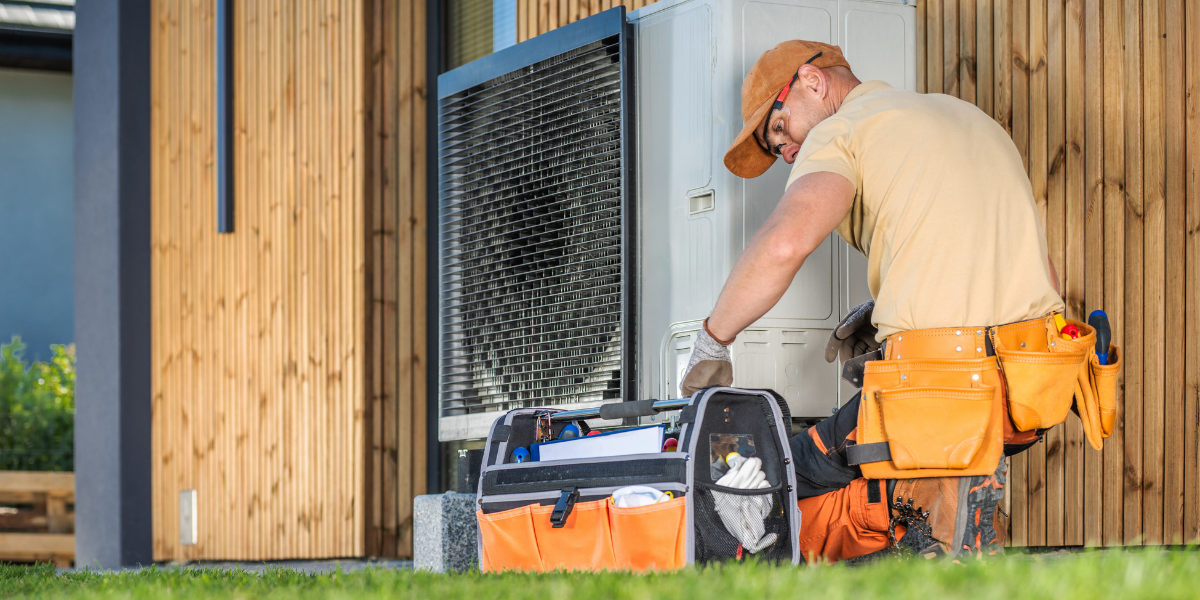
HVAC technicians rarely identify the cause of a problem from a single measurement. For example, a home that isn't cooling properly may have an electrical fault, restricted airflow, a dirty coil, or a refrigerant issue. Technicians use different tools and measurements to narrow down the possible causes and diagnose the system safely.
HVAC technician training helps students understand how different tools work together during troubleshooting. Students learn what measurements mean, which components to check next, and how to identify readings that may indicate a problem. These diagnostic skills are important when preparing for an HVAC career. Learning how to use HVAC tools is an important part of preparing for a career in heating and cooling. According to the U.S. Bureau of Labor Statistics, employment of heating, air conditioning, and refrigeration mechanics and installers is projected to grow 11% between 2025 and 2035.
Hand Tools and Fastening Equipment Used in HVAC Training
Hand tools are the everyday foundation of HVAC work. Students in HVAC technician classes may practice opening equipment, securing components, preparing tubing, working with wiring, and shaping sheet metal before moving into advanced diagnostics.
Screwdrivers, nut drivers, pliers, and wrenches
Multi-bit screwdrivers and magnetic nut drivers are used to remove and attach HVAC service panels. HVAC technicians use lineman's pliers, needle-nose pliers, adjustable wrenches, and wire strippers for electrical and mechanical tasks. During training, students learn how to handle these tools correctly to avoid damaging components, stripping fasteners, or causing injuries.
Cutting and shaping tools
HVAC technicians use tubing cutters, PVC cutters, tin snips, crimpers, deburring tools, and tube benders to prepare refrigerant tubing, drain lines, and sheet metal components. Clean cuts and properly prepared edges are important for accurate fittings, flaring, brazing, and duct assembly.
Electrical and diagnostic tools HVAC technicians learn to use
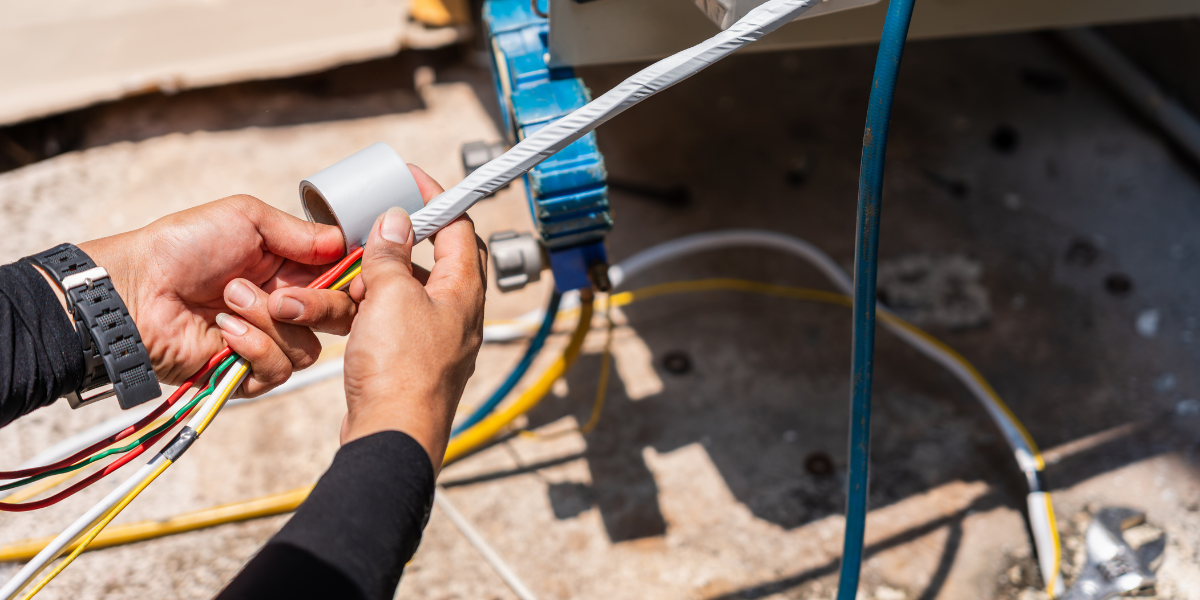
Electrical troubleshooting is one of the areas where measurement discipline matters most. Coastal Technical Institute's related guide on what HVAC training includes and which parts can be challenging discusses electrical basics, wiring diagrams, multimeters, troubleshooting, and safety as key parts of the learning process.
Digital multimeters and clamp meters
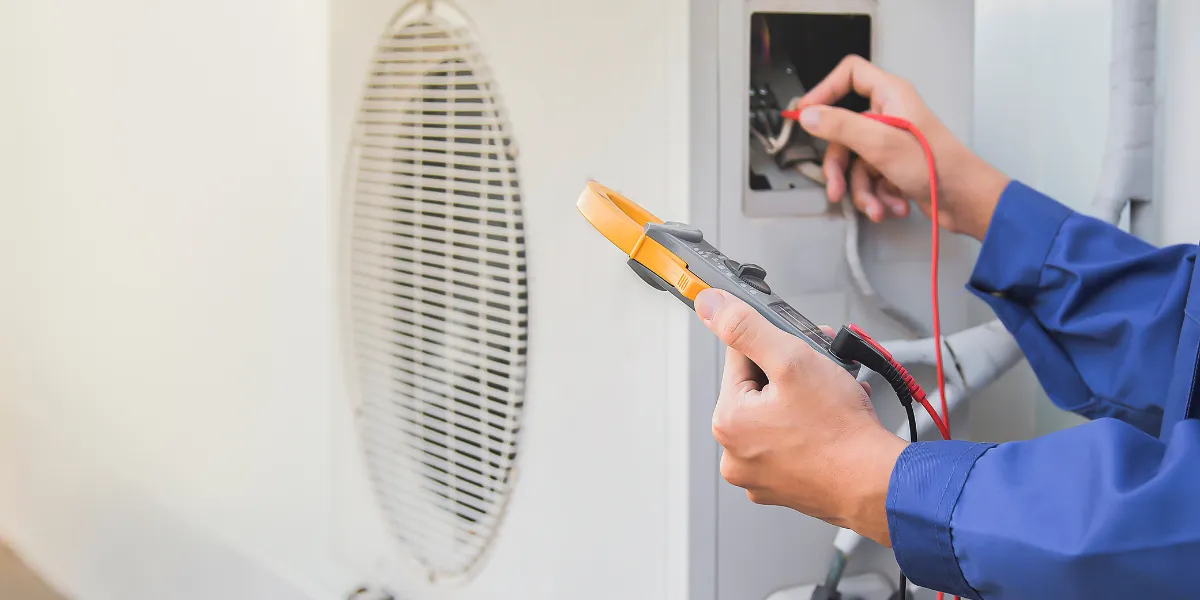
Depending upon the task, a digital multimeter can be used to measure voltage, resistance, continuity, or capacitance. Technicians use clamp meters to measure electrical current in motors and compressors without disconnecting the conductor. Before working with electrical equipment, students must understand how to select the appropriate testing instrument, use the correct meter settings, and follow electrical safety procedures. Clamp meters aimed at HVAC can also be equipped with capacitance, temperature, and more measurements for diagnosis purposes.
Voltage, temperature, pressure, and airflow instruments
Non-contact voltage detectors can help identify the possible presence of voltage, but they should not be used alone to confirm that equipment is de-energized. Qualified technicians must follow appropriate electrical isolation procedures and use suitable testing equipment before working on electrical components. Digital thermometers help compare temperatures, manometers measure pressure differences, and psychrometers provide temperature and humidity readings. Thermal cameras can identify unusual heat patterns, although further testing is needed to determine the cause.
Refrigeration tools and equipment used during HVAC technician training
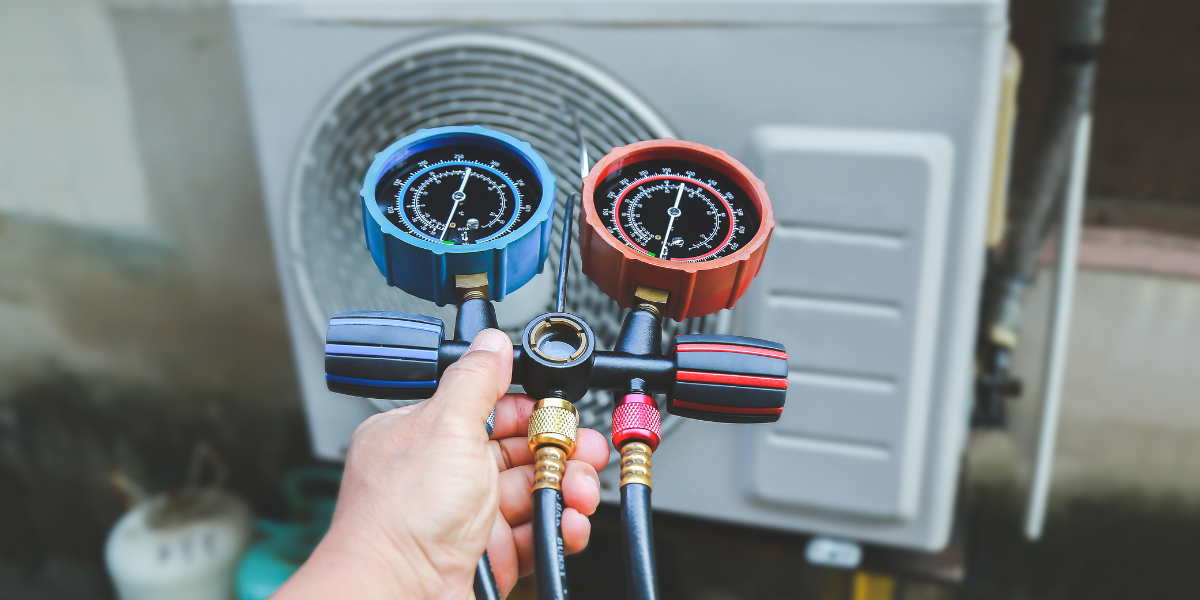
Refrigeration work brings together pressure, temperature, evacuation, recovery, leak detection, and regulatory requirements. Students taking an HVAC technician course need to understand why refrigerant tools are used before they can interpret what those tools show.
Manifold gauges and refrigerant pressure readings
Manifold gauge sets allow HVAC technicians to measure refrigerant pressures and connect appropriate service equipment to an air conditioning or refrigeration system. These gauges are available in analog and digital versions.
Refrigerant pressure measurements are used to determine the condition of the system; however, pressure readings do not indicate if a system contains the proper quantity of refrigerant. Other factors, such as temperature, airflow, manufacturing specifications, and operating conditions, must also be taken into account.
EPA Section 608 certification is required for technicians who perform regulated servicing, maintenance, repair, or disposal activities involving equipment that could release covered refrigerants.
These activities include attaching or removing service hoses and gauges, as well as adding or removing refrigerant. The EPA provides a limited certification exemption for qualifying apprentices who work under the close and continuous supervision of an appropriately certified technician.
At Coastal Technical Institute, our HVAC Technician Training Program includes preparation for the EPA Section 608 certification exam.
Our HVAC program at Coastal Technical Institute covers the preparation for the EPA Section 608 certification exam. As part of the training, students learn about the handling of refrigerants, the safety measures, and the regulations associated with them.
Vacuum pumps, recovery machines, and leak detectors
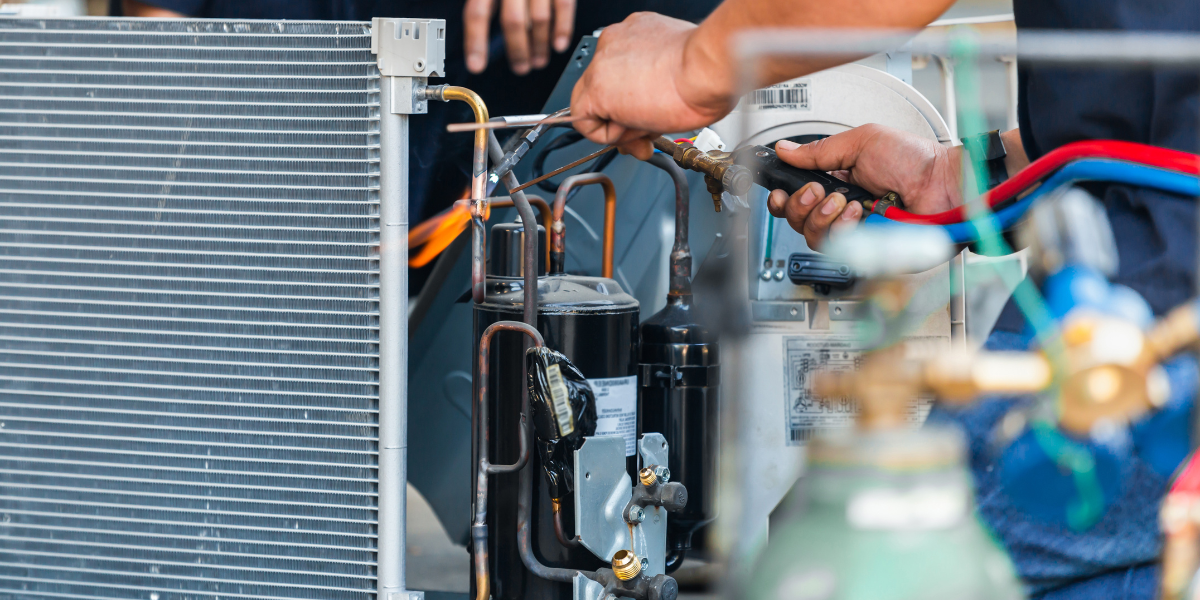
Air and moisture are evacuated from a refrigeration system before recharging or putting it into service by using a vacuum pump. Recovery machines remove refrigerant from HVAC systems and store it in appropriate recovery cylinders. Depending on its condition and applicable EPA requirements, recovered refrigerant may be recycled, reclaimed, reused, or sent for proper disposal. Electronic leak detectors help technicians identify refrigerant leaks, while inspection mirrors allow them to examine connections in difficult-to-reach areas.
EPA rules require recovery and recycling equipment used for regulated service work to meet applicable certification standards. Students should therefore learn that HVAC equipment selection is tied to both the job and the refrigerant being handled, not simply to what fits in a tool bag.
Flaring, swaging, bending, and coil tools
Flaring tools, swaging tools, tube benders, and fin combs support work on copper tubing and coil surfaces. These are precision tasks. A connection that looks acceptable can still leak if tubing is damaged, distorted, or prepared incorrectly.
Power tools and installation gear
Cordless drills and impact drivers support mounting, fastening, and installation work, while reciprocating saws may be used during removals or retrofits. Tape measures and magnetic torpedo levels help with equipment pitch, drain routing, bracket placement, and alignment.
Students who want a broader view of the training path can also review how someone may become an HVAC technician in less than a year in Palm Bay, including the role of lab practice, troubleshooting drills, and repeated hands-on work.
Safety gear belongs on every HVAC tools and equipment list
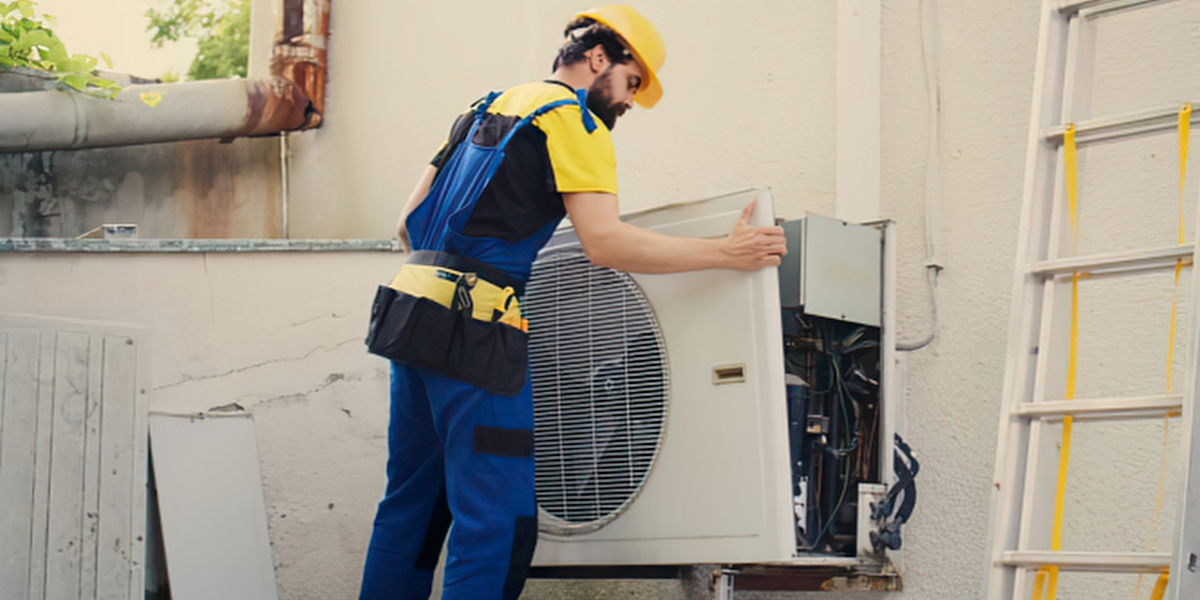
Safety equipment is an important part of HVAC training and fieldwork. Depending on the task and potential hazards, technicians may need safety glasses, protective gloves, suitable footwear, hearing protection, hard hats, or respiratory protection. Students should understand how to select, use, and maintain the appropriate personal protective equipment (PPE).
OSHA states that selection of PPE should be appropriate to the hazards present, and workers should be trained in appropriate selection, limitations, and care. Another important concept for HVAC students to learn is electrical isolation, hot-work precautions, pressurized systems, sharp sheet metal, ladders, and heat exposure.
A Practical Five-Step Tool Workflow Students Can Learn
A useful way to understand HVAC tools is to connect each one to a diagnostic decision. Not every service call follows the same sequence, but this framework helps new technicians avoid random part swapping.
A Practical Five-Step HVAC Troubleshooting Process
1. Identify the Problem: Review the reported issue and visually inspect the HVAC system.
2. Check Electrical Safety: Follow appropriate safety procedures before testing electrical components.
3. Take Relevant Measurements: Use appropriate instruments to evaluate temperature, airflow, electrical conditions, or pressure.
4. Investigate the Possible Cause: Compare measurements with manufacturer specifications and perform further checks where appropriate.
5. Verify System Performance: After authorized repairs, repeat the relevant tests to confirm that the system is operating correctly.
Having more tools does not automatically make someone a better HVAC technician. What matters is knowing which tool to use, how to take accurate measurements, and how to interpret the results. These are skills students develop through practical training, repeated testing, and supervised troubleshooting exercises.
Should HVAC students buy every tool before training?
Buying everything at once is often unnecessary. Tool requirements vary by HVAC technician institute, class, lab setup, employer, and job type. Students should confirm what they are expected to own, what is available during training, and what a future employer may provide. Daily carry tools also differ from specialty equipment such as recovery machines, vacuum pumps, combustion analyzers, or thermal cameras.
For students evaluating where these skills can lead, Coastal Technical Institute also provides information on HVAC trade school career opportunities in Florida and why HVAC technicians are in high demand.
Learn HVAC tools through hands-on training in Palm Bay
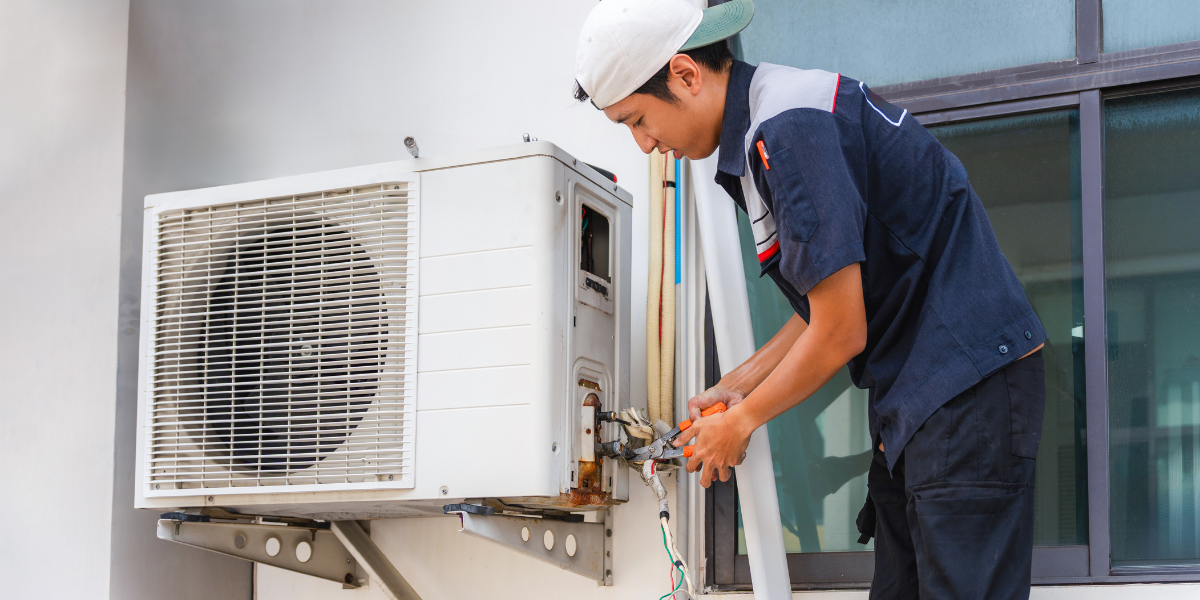
Reading about a multimeter or manifold gauge gives you the vocabulary. Using the tool under instruction, making a measurement, getting it wrong, checking your setup, and trying again builds the habit needed for field work.
At Coastal Technical Institute in Palm Bay, Florida, we offer hands-on HVAC technician training in Palm Bay covering heating and cooling systems, refrigeration, electrical systems, ductwork, thermostats, troubleshooting, and safety practices. Our program includes EPA Section 608 certification exam preparation.
At Coastal Technical Institute in Palm Bay, Florida, our HVAC Technician Training Program combines classroom instruction with hands-on learning in heating and cooling systems, refrigeration, electrical components, ductwork, troubleshooting, and safety.
Our program is designed for completion in approximately 12 months with full-time attendance. Students also receive preparation for the EPA Section 608 certification exam.
We welcome prospective students from Palm Bay and surrounding communities across Brevard County. Contact our admissions team to learn about current schedules, enrollment requirements, and available training options.
If you are considering HVAC as a career and want to understand the training, schedule, or next enrollment steps, contact Coastal Technical Institute. Ask what tools students practice with, what equipment is used in the lab, and how the program helps students build the troubleshooting habits expected in entry-level HVAC work.
Frequently Asked Questions About HVAC Technician Tools
What tools do HVAC technicians use most often?
Common HVAC technician tools include screwdrivers, nut drivers, pliers, wrenches, multimeters, clamp meters, thermometers, manifold gauges, drills, and measuring tools. The exact kit depends on the type of installation, maintenance, or repair work being performed.
Do HVAC students need to buy tools before classes?
Tool requirements vary between HVAC technician programs. Before buying a complete set, ask the school which tools students need to supply, which HVAC equipment is available in the training lab, and whether specific tools are recommended for class.
Why do HVAC technicians use multimeters and clamp meters?
Multimeters and clamp meters help HVAC technicians test electrical conditions such as voltage, current, resistance, continuity, and capacitance. These readings can help diagnose motors, compressors, capacitors, controls, wiring, and other electrical components.
What is a manifold gauge set used for?
A manifold gauge set connects to an air-conditioning or refrigeration system so technicians can read refrigerant pressures and perform applicable service procedures. Pressure readings should be interpreted together with system temperatures, airflow, manufacturer specifications, and operating conditions.
Do HVAC technicians need EPA 608 certification?
EPA Section 608 certification is needed for technicians performing regulated activities on equipment that could release covered refrigerants. EPA's definition of technician activities includes attaching or detaching hoses and gauges for pressure measurement.
How long is HVAC technician training at Coastal Technical Institute?
Coastal Technical Institute's HVAC Technician Training Program typically takes approximately 12 months with full-time attendance, although schedules may affect completion time. The program includes EPA Section 608 certification preparation. Students can contact our admissions team to confirm current class schedules and enrollment details.
