What Skills Do You Need Before Starting Welding Trade School?
Starting a career in welding can feel like stepping into something completely new, especially if you’ve never worked with tools or been in a trade environment before. That’s actually where most students begin. If you’re considering enrolling in a welding trade school, you don’t need prior experience, but having a few basic skills can make your transition smoother and far less stressful.
Many people searching for welding trade schools near me often wonder if they’re ready or if they need experience before enrolling. The truth is that welding training programs are designed to teach beginners step by step. At the same time, students who walk in with a bit of preparation and the right mindset tend to feel more confident during their welding lessons and adapt much faster.
This blog will walk you through the basic skills you should build before starting, along with practical ways to prepare so you can begin your welding trade school journey with clarity and confidence.
Understanding What Welding Trade School Really Involves
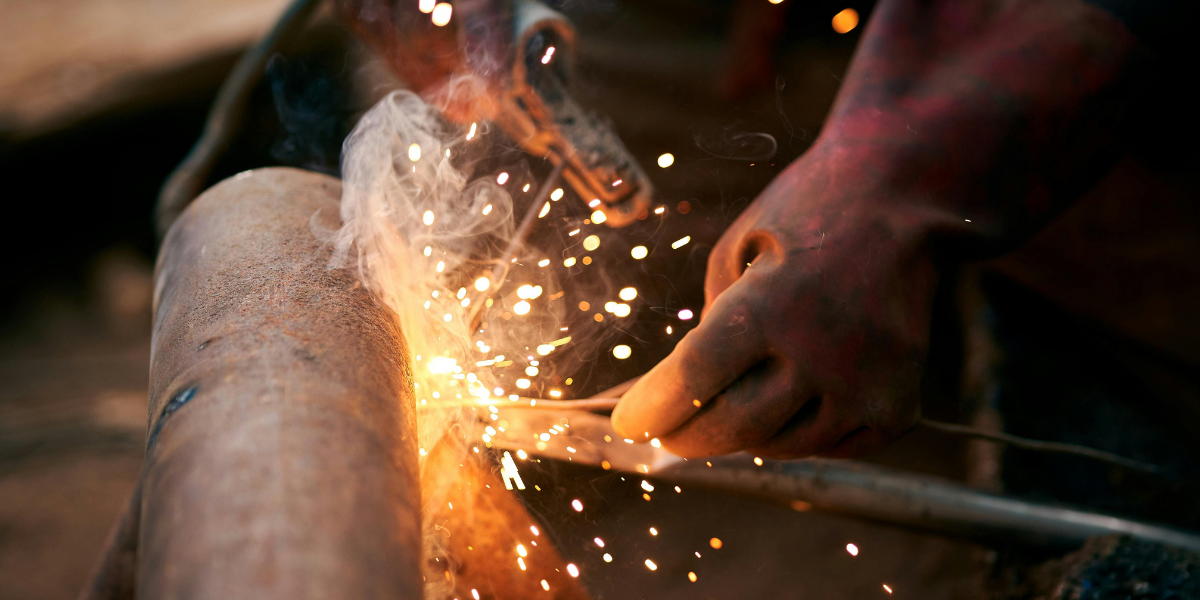
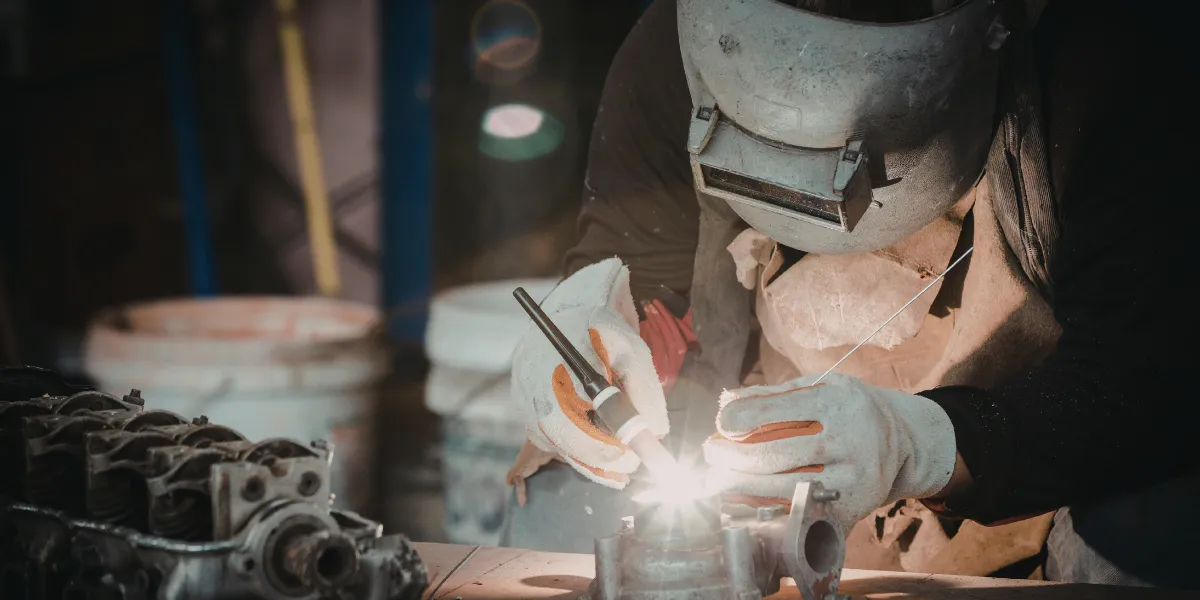
A welding trade school gives you a hands-on education that is much better than what you would get in a regular classroom. You won't only learn or listen; you'll also work with tools, materials, and welding equipment from the very beginning of your course. Welding training programs are both useful and interesting since they combine theory and practice.
During your time in a welding trade school, through guided welding training, you will learn how to read blueprints, comprehend different welding lessons, and use those methods. Teachers will show you how to do things, and then you'll spend hours practicing to get better at them. This repetition is what helps turn beginners into skilled welders.
A lot of the time, students who are looking for welding trade schools near me don't know how deep the experience can be. You should pay attention, follow directions, and get better with each session. Knowing what to anticipate ahead of time helps you feel less unsure and lets you focus on learning instead of getting used to the new place.
Physical Readiness and Stamina
Welding is a physically active trade, so being ready for that can make your training go more smoothly. When you go to a welding trade school, you'll have to stand, move, and work with materials that need both strength and control for lengthy periods of time. Don't let this get you down; it's vital to know what your body will experience.
Welding training programs are set out to be like real jobs. That means you'll often have to stand for long amounts of time when working on projects or learning methods during welding lessons. You could also have to bend, kneel, or work in ways that need you to keep your balance and coordination. Your body gets used to things with time, but having some stamina beforehand helps you stay comfortable and focused.
Key Physical Demands
Standing for long periods during welding lessons
Lifting materials that can weigh around 50 pounds
Working in tight or awkward positions
Maintaining a steady posture for precise welding
If you're getting ready to go to welding trade school, doing basic things like light exercise, stretching, and improving your posture might help you get used to it quickly. A lot of students who look for welding trade schools near me realize that even a little bit of work on getting in shape makes a big difference when training starts.
Building a Strong Safety Mindset
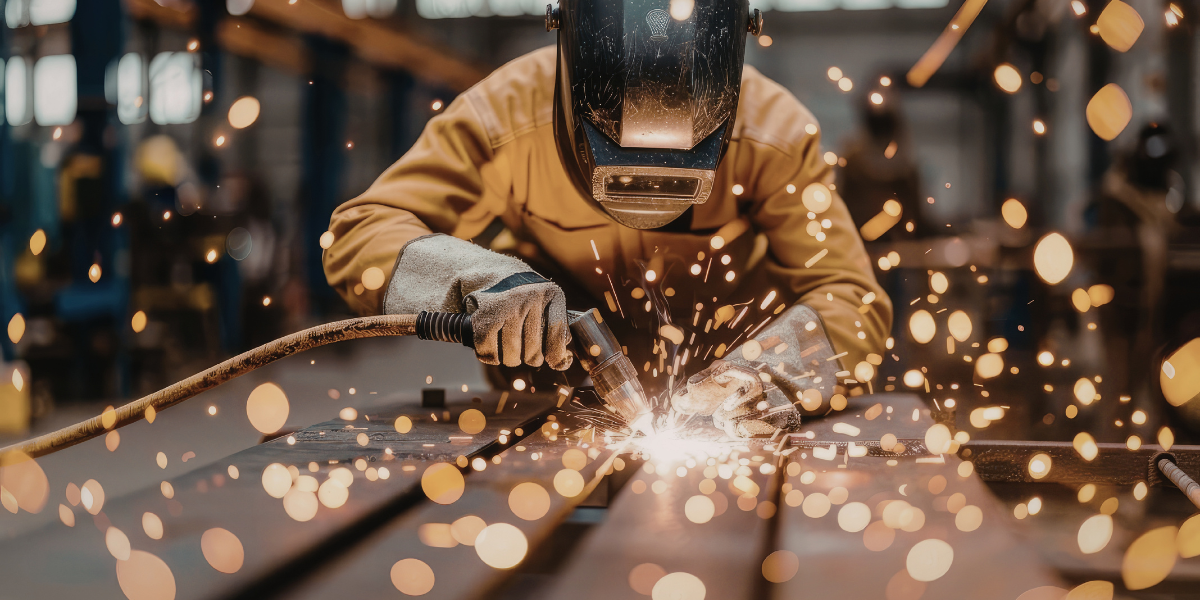
Safety is one of the most important aspects of training in a welding trade school. It affects how you do your job, how you use tools, and how you keep yourself and others safe while you work. Safety rules will be stressed and practiced from the very first welding lesson.
Welding training programs involve working with heat, sparks, and specialized equipment. Without proper awareness, even small mistakes can lead to injuries. That’s why developing a safety-first mindset early is so valuable. It helps you build habits that stay with you throughout your career.
Essential Safety Habits
Wearing protective gear like gloves, helmets, and jackets
Following instructions carefully during welding lessons
Staying aware of your surroundings at all times
Handling tools and materials responsibly
Students who take safety seriously tend to do better because they learn discipline and self-assurance. When looking at welding trade schools near me, it's crucial to know that safety training is required. It's an important aspect of learning how to be a good and dependable welder.
Hand-Eye Coordination and Precision
Welding requires a steady hand and a strong sense of control. Even though your welding trade school will guide you through each step, your ability to coordinate your movements plays a major role in how quickly you improve. Precision is what separates an average weld from a strong, clean one.
In welding lessons, you'll learn how to guide tools along certain lines, control the heat, and keep the motion steady. You need to be patient and focused to do these things. It could be hard at first, but your coordination will become better with practice.
You can start learning this ability before you start welding training programs by doing things that need you to move steadily. You can get better at controlling things by using basic tools, putting together small things, or even drawing straight lines.
Students who search for welding trade schools near me and work on coordination early often feel more comfortable during their first weeks of training and progress faster as they gain experience.
Basic Math and Measurement Skills
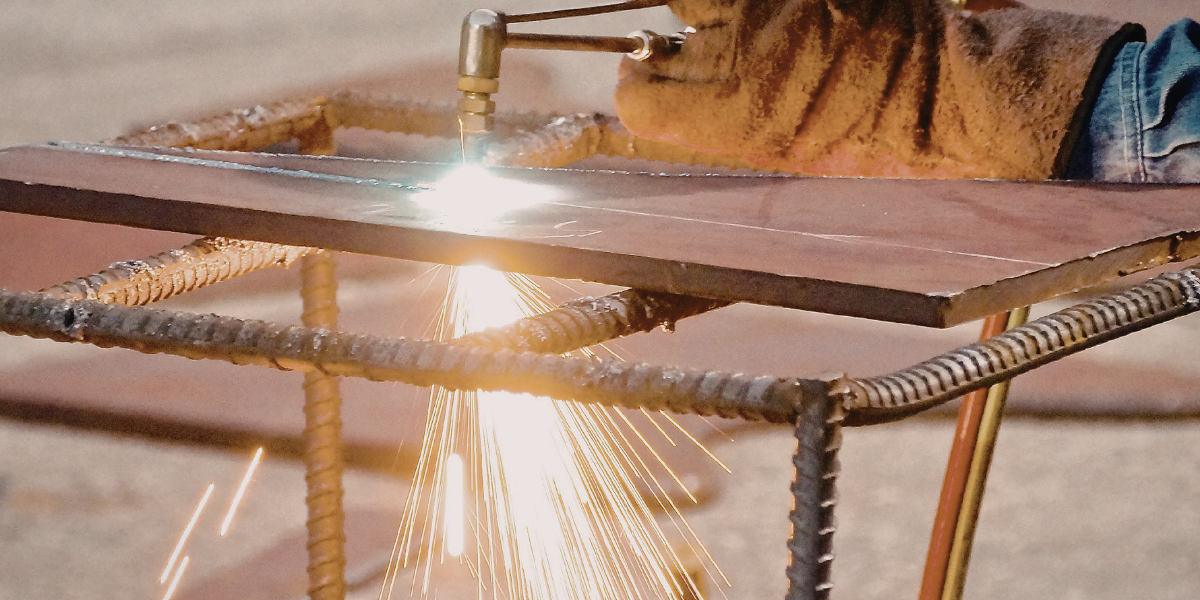
Even though it might not seem like it at first, math is a big aspect of welding. You will often have to work with measures, dimensions, and angles at a welding trade school. It's important to be accurate since even slight mistakes can change how strong and good-looking your welds are.
Reading measurements and understanding plans are two things that welding training programs teach. You need to know how to measure materials correctly and line up parts according to certain rules. If you know a little bit about math, these assignments will be a lot easier.
Important Math Skills
Reading a measuring tape accurately
Understanding fractions and decimals
Interpreting blueprint dimensions
Calculating angles and alignment
Students who understand these ideas better tend to do better in welding lessons and get their work done more accurately. If you're looking for welding trade schools near me, it can assist a lot to get better at basic math skills.
Communication and Learning Skills
While welding is a hands-on trade, your ability to learn effectively depends on how well you communicate and absorb information. In a welding trade school, you’ll interact with instructors and classmates regularly. Clear communication helps you understand instructions and improve your performance.
Welding training programs are designed to guide you step by step, but your progress depends on how well you listen, ask questions, and apply feedback. Students who stay engaged and open to learning tend to get the most out of their training.
Skills That Support Learning
Listening carefully during welding lessons
Asking questions when something isn’t clear
Staying patient while learning new techniques
Working cooperatively with others
When students search for welding trade schools near me, they often focus on technical skills, but learning habits play an equally important role in long-term success.
Preparing Before You Enroll
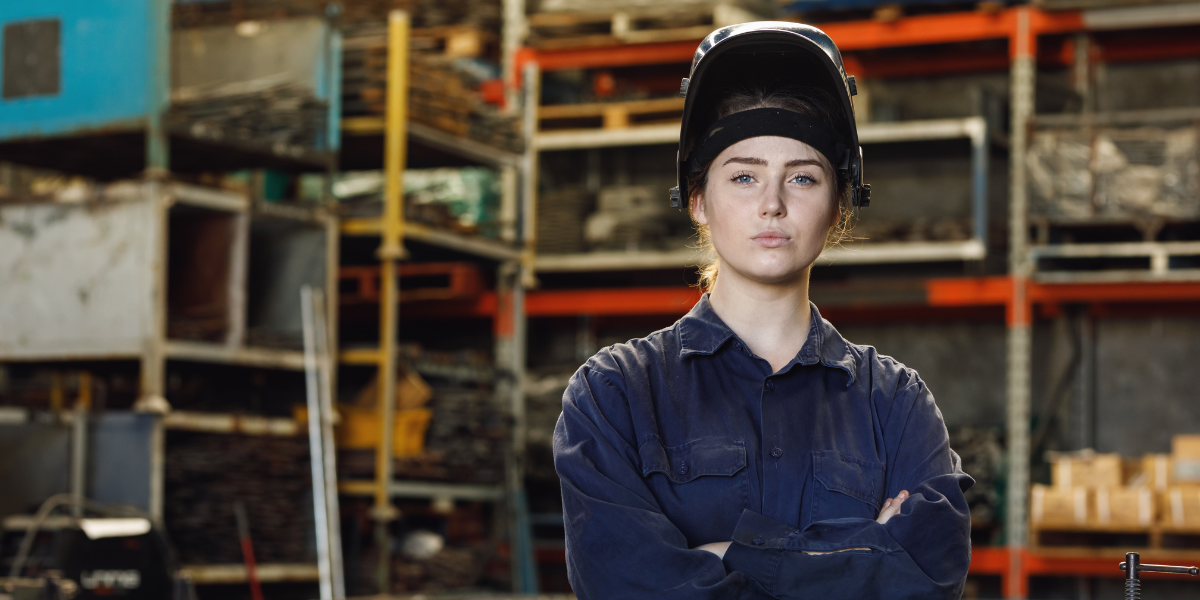
Getting ready for a welding trade school doesn’t require complicated steps, but taking some time to prepare can help you feel more confident on your first day. Most welding training programs require a high school diploma or GED, but beyond that, preparation is about mindset and awareness.
Before starting your welding lessons, it helps to understand what tools you’ll be using and how the training process works. You can have a better idea of what to expect by watching beginner-level content or reading about the basics of welding.
Simple Preparation Steps
Research welding trade schools near me and compare programs
Learn the basics of common tools and equipment
Watch introductory welding lessons online
Get familiar with basic safety gear
Institutions like Coastal Technical Institute offer structured welding training programs that guide students from beginner to job-ready. Preparing in advance allows you to focus fully on learning once your training begins.
Conclusion
Starting your journey in a welding trade school is a practical step toward building a stable and rewarding career. You don’t need to have everything figured out before you begin, but building a foundation in physical readiness, coordination, safety awareness, and basic math can make a noticeable difference in your experience.
As you explore welding trade schools near me, focus on finding a program that offers strong hands-on welding lessons and clear guidance. Welding training programs are meant to help you get better over time. If you have the appropriate mindset, you'll learn the skills you need to succeed.
Coastal Technical Institute offers hands-on training that will help you get ready for real-world jobs if you're ready to move on. Get in touch with us immediately to find out more and begin your adventure as a welder.
Frequently Asked Questions
How to become a welder in Florida?
Most people who want to become welders in Florida start by going to a welding trade school, doing hands-on welding classes, and getting some real-world experience. A lot of students also get certified to make it easier for them to get work.
What skills do I need to become a welder?
You need physical stamina, hand-eye coordination, basic math skills, attention to detail, and a strong understanding of safety practices. Welding training helps you get better at these skills.
Can you make $100,000 as a welder?
Yes, welders with a lot of experience in some industries, like underwater welding or industrial work, can make a lot of money. The amount of money you make relies on your skills, credentials, and experience.
What do you need to start a welding trade school?
Most welding trade schools require a high school diploma or GED. You should also be physically prepared, willing to learn, and ready to follow safety guidelines during training.
What big 5 personality traits are best for a welder?
For welding training programs and long-term jobs, it's important to have traits like being responsible, patient, paying attention to detail, being flexible, and having a strong work ethic.
