
Need a Fast Path Into Healthcare? How CNA Training Can Help
Most people who want to work in healthcare assume the only door in is a long one. Two years for an associate degree, four for a bachelor's, and a pile of debt waiting on the other side. For a lot of folks, that timeline just doesn't work, especially if you need income now, not in 2030.
That's where CNA training changes the math entirely. A focused, fast track CNA program can get you certified and working in as little as 5 to 6 weeks. No prerequisites and no mountains of debt, only a short, structured trajectory to a real job and a paycheck.
This blog walks through how a 6 week CNA program actually works, what you'll be learning during that time, what kind of pay and job options you can expect once you're certified, and why this path often serves as a launchpad toward roles like LPN or RN later on, if that's where you want to go.
Why CNA Training is the Ultimate Fast Path into Healthcare
Rapid Timeline To Certification
Here's the short answer: a dedicated CNA training program typically wraps up in about six weeks, not years. Compare that to a two-year nursing degree, and the difference is obvious.
These programs are designed with one goal: to get you ready for your state competency exam (in Florida, that's the Prometric exam) as quickly as possible without cutting corners on the skills that actually matter at the bedside.
Zero Prior Healthcare Experience Required
You don't need a science background. You don't need to have shadowed a nurse or worked in a clinic before. Nursing assistant certification programs are built for beginners, people who've never set foot in a hospital outside of visiting a relative.
What you do need is a willingness to learn hands-on, follow instructions carefully, and show up consistently. That's genuinely most of it.
High Cost-Effectiveness
Tuition for a short-term technical certificate is a fraction of what a university program costs. We're talking about a difference that can mean tens of thousands of dollars saved, not just a small discount.
Most vocational schools also offer payment plans, and financial aid is often available for programs like this, which makes the entry barrier even lower. If student debt has been the thing holding you back from a healthcare career, CNA training is worth a serious look.
Hands-On Clinical Skills
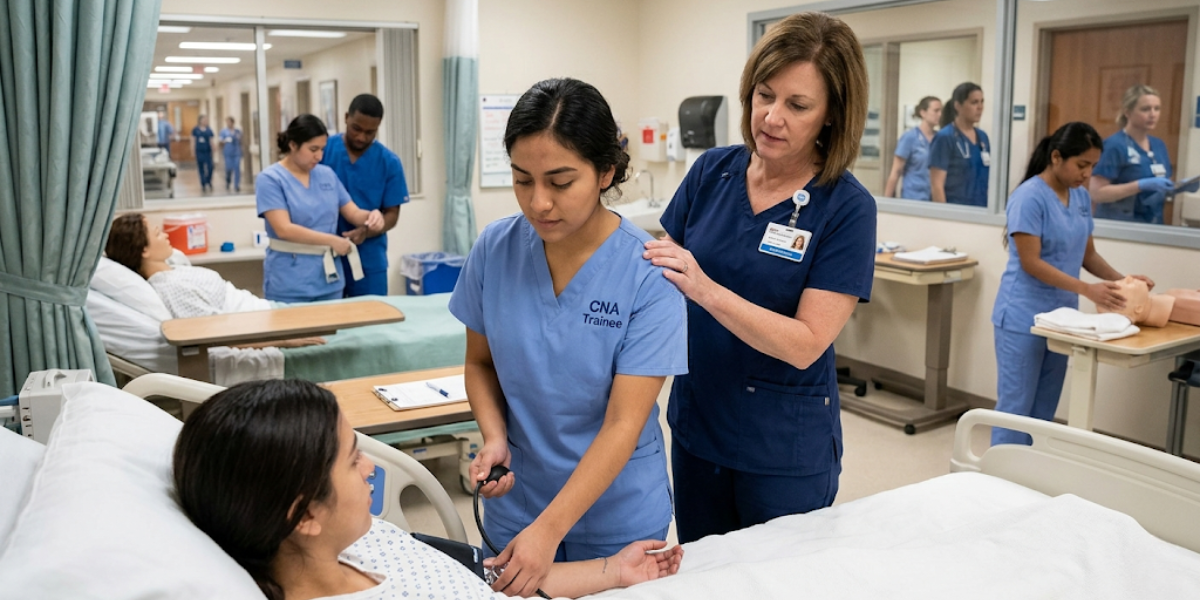
Confidence is not just developed in the classroom; it is developed in the real world. You will get hands-on practice with the actual physical skills you will need in your day-to-day work: safe patient handling, vital signs, personal care, etc., all supervised before working independently.
Career Flexibility
Once you're certified through a nursing assistant certification program, you're not locked into one type of workplace. Hospitals, nursing homes, rehab centers, home health agencies, they all hire CNAs, and the demand tends to be steady regardless of the local job market's ups and downs.
What You'll Learn: Core Curriculum And Skills Breakdown
Foundational Clinical Knowledge
You'll learn the fundamentals of human anatomy, cover common patient problems, and understand the importance of anatomy (especially beyond the memorization needed for the exam).
Another large portion of CNA training is on infection prevention and universal precautions. It's not optional; it's the essential knowledge that protects you and your patients every day.
Essential Patient Care and Activities Of Daily Living (ADLs)

This is the heart of the job. You'll learn how to assist patients with:
Bathing, dressing, and grooming.
Safe repositioning and transfers.
Monitoring and recording vital signs (blood pressure, pulse, temperature).
These sound simple on paper, but doing them correctly and safely for someone who may be in pain or have limited mobility takes practice. That's exactly why the hands-on portion of the 6 week CNA program exists.
Real-World Clinical Rotations
Reading about patient care and actually doing it are two different things. That's why CNA programs include supervised clinical rotations in real facilities, long-term care homes, and hospitals, where you apply what you've learned under the guidance of experienced staff.
Programs typically require around 40 hours of clinical externship. By the time you graduate, you've already worked a shift floor, which makes that first day on the job a lot less intimidating.
High Demand and Job Security: By The Numbers
Massive Job Openings
As per the Bureau of Labor Statistics, there are over 210,000 CNA job openings annually across the United States. That's not a niche role with limited openings; it's one of the most consistently in-demand jobs in healthcare, year after year.
Competitive Starting Salaries
In Florida specifically, the median CNA salary sits around many thousands of dollars a year. For an entry-level position that took six weeks of CNA training to qualify for, that's a strong starting point, especially when you weigh it against the zero (or minimal) debt involved in getting there.
Diverse Work Environments
One thing people don't always realize: CNAs aren't stuck in one type of setting. You could work in a busy hospital unit, a quieter assisted living community, a rehab facility helping patients recover from surgery, or even in someone's home through a home health agency. If you find one environment isn't the right fit, there's usually room to pivot without starting over.
Start Your Journey At Coastal Technical Institute (Palm Bay, FL)
➥ Program Highlight
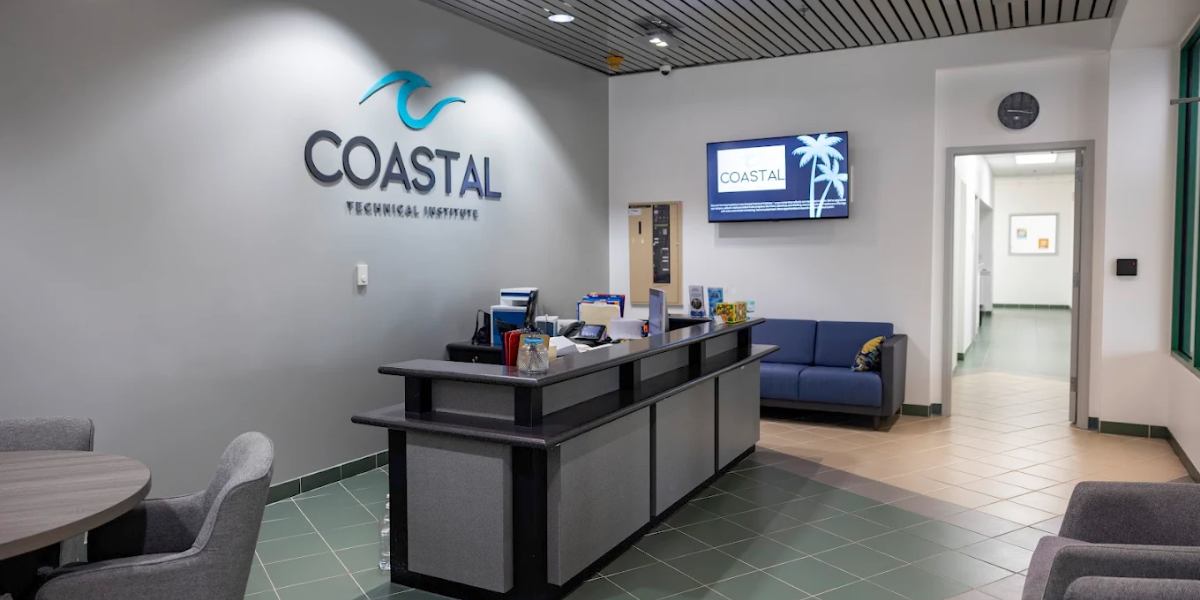
Coastal Technical Institute, formerly known as Brevard Nursing Academy, offers a 6 week CNA program built around what local employers in the Palm Bay area are actually hiring for. If you're looking to become a CNA quickly and start working in healthcare, this program is designed to get you there.
➥ Fast-Track Specs
The program runs 120 total clock hours. Built into that total is 40 hours of hands-on clinical externship, plus dedicated prep time for the Florida Prometric exam, so you're walking into test day prepared, not guessing.
➥ Student Support Services
Training is one thing, but support along the way makes a real difference. At Coastal Technical Institute, students enrolled in the CNA program get:
Mentorship from instructors who've worked in healthcare themselves.
Affordable tuition plans designed to fit real budgets.
Career placement support to help connect graduates with local employers after graduation.
➥ Future Proofing
Maybe CNA work is the goal, and that's it. Or maybe it's step one. If you decide later that you want to keep climbing, we also offer an approved 56-week practical nursing (LPN) program, so the path forward is already there if you want it.
Conclusion
If you've been putting off a healthcare career because of the time and cost involved, CNA training is worth a second look. Six weeks is a short commitment for a credential that opens real doors, steady pay, flexible work settings, and a foot in the door if you want to pursue LPN or RN down the road later.
The best way to know if it's the right fit is to see it in person. Book a campus tour at our institute and get a feel for the 6 week CNA program, the instructors, and what your next six weeks could look like.
FAQs
How Long Does CNA Training Take?
Most fast track CNA training programs take about 5 to 6 weeks to complete, including classroom instruction, hands-on skills practice, and supervised clinical hours.
Do I Need Prior Healthcare Experience To Become a CNA?
No. Nursing assistant certification programs are designed for complete beginners and don't require a science or healthcare background to enroll.
How Much Does a CNA Make In Florida?
The median salary for CNAs in Florida is around thousands of dollar per year, according to recent data.
Can CNA Training Lead to Becoming an LPN or RN Later?
Yes. CNA training is a common stepping stone toward advanced nursing roles. Coastal Technical Institute, for example, also offers a 56-week practical nursing (LPN) program for graduates who want to continue their education.
Where Do CNAs Typically Work?
CNAs work in hospitals, assisted living communities, rehabilitation centers, and home health environments, giving graduates flexibility in choosing a work setting.
