
Where to Train for an Electrician Career in Palm Bay, FL— Best Schools for Apprentices and Pre-Apprentices
If you’ve been Googling electrician apprenticeship Palm Bay FL, electrician trade school Palm Bay FL, or electrician training Palm Bay FL, you’re probably looking for a straight answer to one question: What’s the best path to get trained, get hired, and start earning without wasting time?
In Palm Bay and throughout Brevard County, the most practical routes usually look like this:
Apprenticeship (earn while you learn): You work full-time for a contractor and attend classes at night.
Trade school/pre-apprenticeship training: You build hands-on skills first, then move into an apprenticeship or entry-level job with a stronger foundation.
This blog breaks down the top options, including IEC apprenticeship, Florida pathways, and union programs, plus how trade school fits in if you’re starting from zero. We’ll also cover NCCER electrical certification in Florida at a high level, so you understand what employers mean when they ask about credentials.
Why “earn while you learn” is the gold standard
Electrical work is a hands-on trade. The fastest way to become employable is to combine:
Real jobsite experience (tools, materials, teamwork, real installations), and
Structured learning (safety, theory, troubleshooting, code concepts)
That’s why apprenticeships are so popular. Many are built around a long-term progression that’s often described as about 4 years and roughly 8,000 hours of on-the-job training (OJT), with classes running alongside the work. The exact structure varies by program and sponsor, but the idea is consistent: you earn a paycheck while you build skills.
Best apprenticeship options to consider near Palm Bay, FL
1) IEC Florida East Coast Chapter (non-union “earn while you learn”)
When people search for IEC apprenticeship Florida, they’re usually looking for a non-union, contractor-connected program with a clear structure.
The IEC Florida East Coast Chapter offers an apprenticeship program where apprentices work full-time while attending training sessions one to two nights a week. This “earn while you learn” model is perfect for those looking for a structured program that connects them with independent electrical contractors. Just be prepared to commit to regular night classes while you work during the day.
Best for: People who want the apprenticeship route now and prefer the independent contractor network.
2) Union apprenticeship programs (IBEW / NECA JATC)
Union apprenticeships typically run through a JATC (Joint Apprenticeship and Training Committee). They’re known for highly structured training, strong mentorship culture, and clearly defined progression. If you value a formalized pathway with union contractor opportunities, this is worth comparing with IEC.
Best for: Individuals looking for a solid union training pathway and who are ready to meet the application and selection criteria.
3) Local Brevard apprenticeship options
Brevard County also has local apprenticeship-style programs that combine classroom instruction with required jobsite employment. These can be a good fit for residents who prefer staying local, but it’s important to read the expectations closely, some programs require you to actively secure employment to attend.
Best for: People who want a Brevard-based program and can line up (or already have) a contractor job.
Where trade school fits: the smart pre‑apprenticeship move in Palm Bay
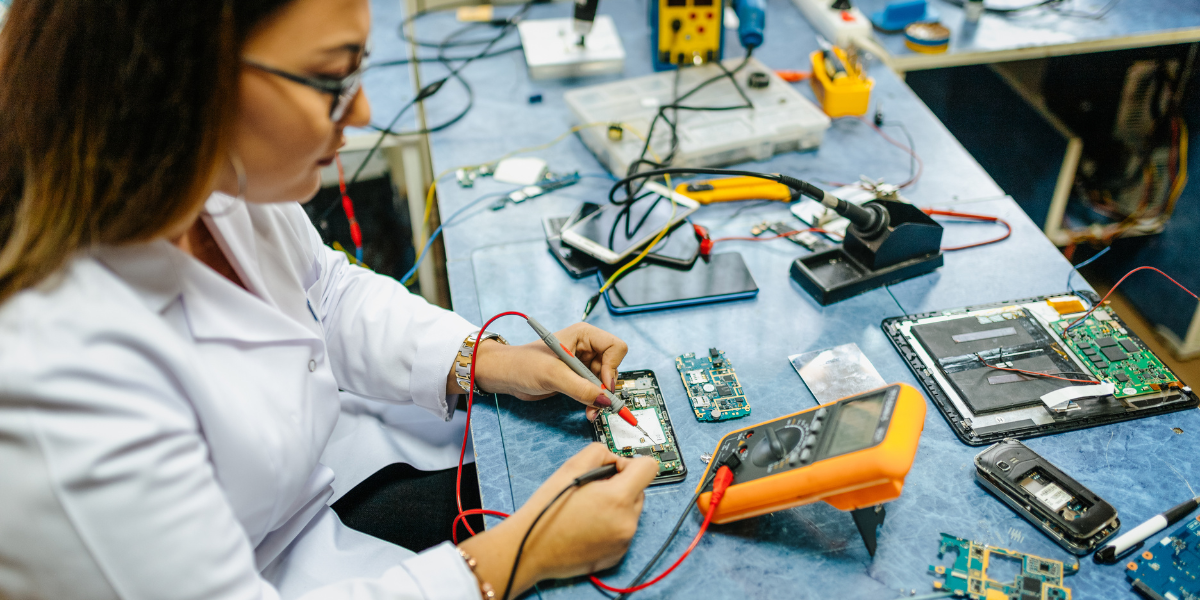
Here’s the reality: not everyone is ready to walk onto a jobsite on day one and succeed. If you’re switching careers, haven’t used tools much, or want to feel confident before interviewing with contractors, trade school can be a strong first step.
A good electrician trade school in Palm Bay, FL helps you build the fundamentals employers care about most:
jobsite safety habits and professionalism
basic electrical theory and terminology
tool familiarity and hands-on practice
the ability to follow procedures and work cleanly
a stronger interview story than “I’m interested.”
Coastal Technical Institute (Palm Bay): hands-on skilled trades training
If you want electrician training in Palm Bay, FL that’s local and hands-on, Coastal Technical Institute offers skilled trades programs in Palm Bay, including Electrical Technology, with admissions and student support built around career outcomes. You can explore the program at Coastal Technical Institute.
Understanding the basics of safety, being able to identify tools and materials, and having hands-on experience in a structured environment can really boost your chances of getting hired. Employers tend to favor beginners who come with this foundational knowledge. Plus, trade school gives you the opportunity to explore whether you enjoy residential, commercial, or industrial work before committing to a specific career path.
NCCER electrical certification in Florida: what it means (and why employers ask)

You’ll often see NCCER electrical certification in Florida show up in searches and job conversations. NCCER (National Center for Construction Education and Research) is widely recognized in the construction industry because it standardizes training in a competency-based way.
In practical terms:
It can help employers understand what you’ve been trained on.
It supports a “documented skills” story on your resume.
It’s often used alongside apprenticeship training—not always as a replacement.
Licensing and credential expectations vary by jurisdiction and job type, so the best move is to ask any program or employer you’re considering: “Is NCCER part of your training, and how does it fit into advancement?”
How to choose the best path (quick decision guide)
Choose apprenticeship first if…
You’re ready to work full-time right now
You can commit to evening classes weekly
You’ve got reliable transportation and a solid schedule
You want the most direct “earn while you learn” route
This aligns with the intent behind the electrician apprenticeship in Palm Bay, FL.
Choose trade school first if…
You want hands-on practice before the job-site pressure
You’re not confident with tools, safety, or basic electrical concepts yet
You want to improve your chances of getting hired quickly
You want a local program to build momentum
This aligns with searches like electrician trade school Palm Bay FL and electrician training Palm Bay FL.
A very common winning combo: Start with trade school to become job-ready, then move into an apprenticeship to earn, log hours, and grow long-term.
A realistic 30–60 day plan to get started in Palm Bay
Week 1: Decide your route
Apprenticeship-first (IEC/union/local) vs trade school-first
Make a shortlist and confirm basic requirements
Week 2: Get “hireable.”
Refresh job math (measurement, fractions, basic algebra)
Build a simple resume highlighting reliability, mechanical aptitude, and any hands-on work
Week 3–4: Take action
Apply to programs, attend info sessions, and schedule a campus tour
Start calling local electrical contractors for entry-level helper roles
Month 2: Commit and progress
Lock your schedule (work + classes)
Track your hours, skills learned, and milestones like a pro
Conclusion :
If you’re ready to work immediately and can commit to night classes, an apprenticeship route (including an IEC apprenticeship in Florida or a union program) is a proven way to build a real career. If you're looking to get some hands-on experience and build your confidence before diving into a jobsite, starting electrician training in Palm Bay, FL at a Coastal Technical Institute could be a great choice, especially for those who are pre-apprentices.
Ready to take the next step toward an electrician career in Palm Bay? Contact us today to learn more about our Electrical Technology training, upcoming start dates, and how to get started.
FAQ :
1) How to become an apprentice electrician in Florida?
Pick an apprenticeship route (IEC, union/JATC, or local), meet eligibility basics (age, diploma/GED, transportation), then get hired by a contractor and attend required classes while you work. Many people start faster by doing a trade school first, then applying with better fundamentals.
2) What qualifications do I need for an apprenticeship?
Most programs require a high school diploma/GED, minimum age (often 18), reliable transportation, basic math skills, and the physical ability to do the work safely. Some employers also have job-site screening policies.
3) How much do apprentice electricians make in Florida?
Pay can differ quite a bit depending on where you are and who you work for, but generally, apprentices kick things off with a starting hourly wage and see their pay increase as they develop their skills and move through the program. The distinction between union and non-union jobs, as well as commercial versus residential work, can really impact the pay range.
4) How long does electrician school take in Florida?
Trade school programs can take months (varies by program). Apprenticeships are commonly multi-year and tied to thousands of OJT hours. Many people do trade school first, then an apprenticeship for the full career track.
5) What is the quickest way to become an electrician?
The fastest and most reliable way to get ahead is to land a job quickly and maintain that momentum. Start by becoming job-ready, often through a trade school, and then gain experience by working under a contractor while you complete any necessary training. Remember, sticking to a consistent path is always better than taking shortcuts.
